-

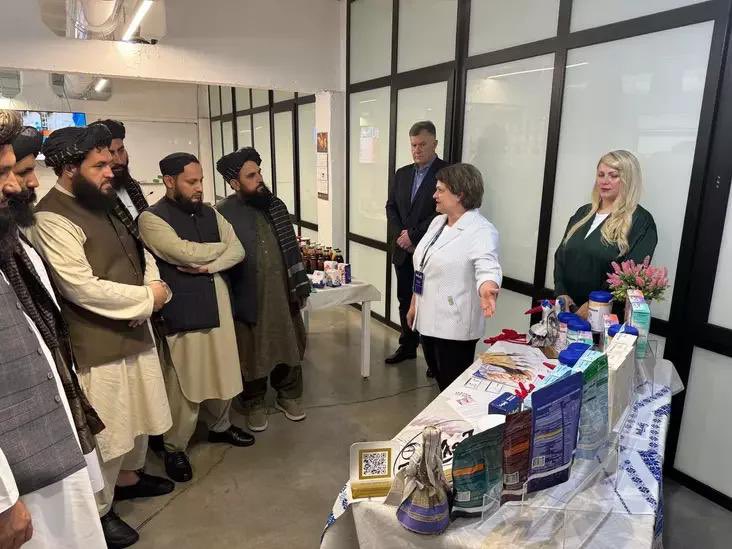
Belarus Blocks Images from Controversial Taliban Visit Amid Outcry
Officials in Belarus have prohibited the release of photos from a Taliban delegation’s recent visit to the country, which included a controversial tour of a cheese production facility. Local media reported the event, but images were swiftly removed from platforms, sparking significant public debate. The visit has led to criticism from opposition leaders, who point to the stark contrast between the Taliban’s oppressive policies and their engagement with Belarusian women during the tour.
Tuesday, 25 August , 2026 -

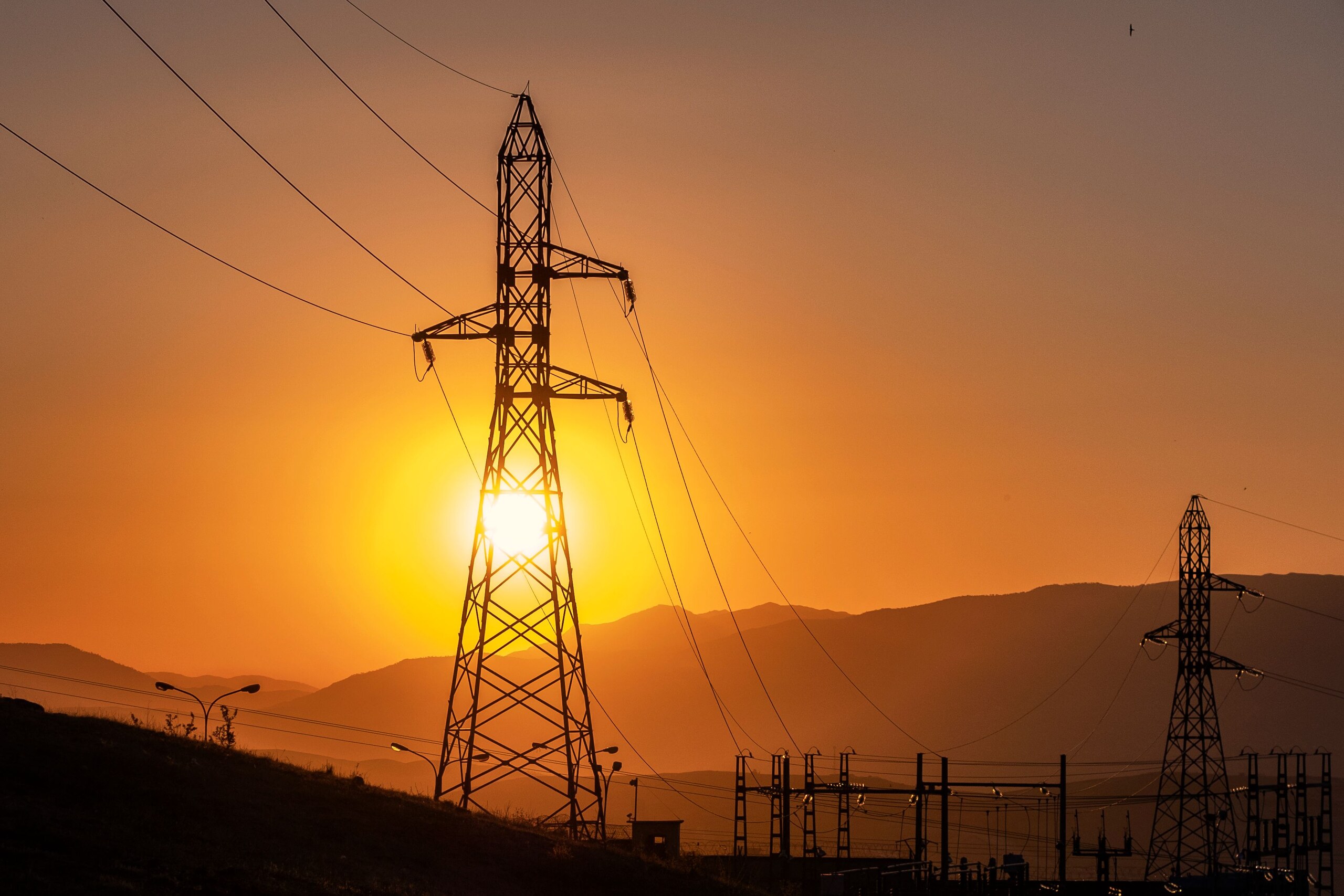
UNDP Report Reveals Electric Access Crisis in Afghanistan: Only 42% Connected
A startling report from the United Nations Development Programme highlights that just 42% of Afghanistan’s population has electricity access, with urban areas disproportionately benefiting. The findings underline critical infrastructural challenges, particularly in rural communities. The UNDP advocates for renewable energy solutions to bridge the gap, improve healthcare, education, and drive economic growth, as the nation largely relies on imported electricity.
Tuesday, 25 August , 2026 -
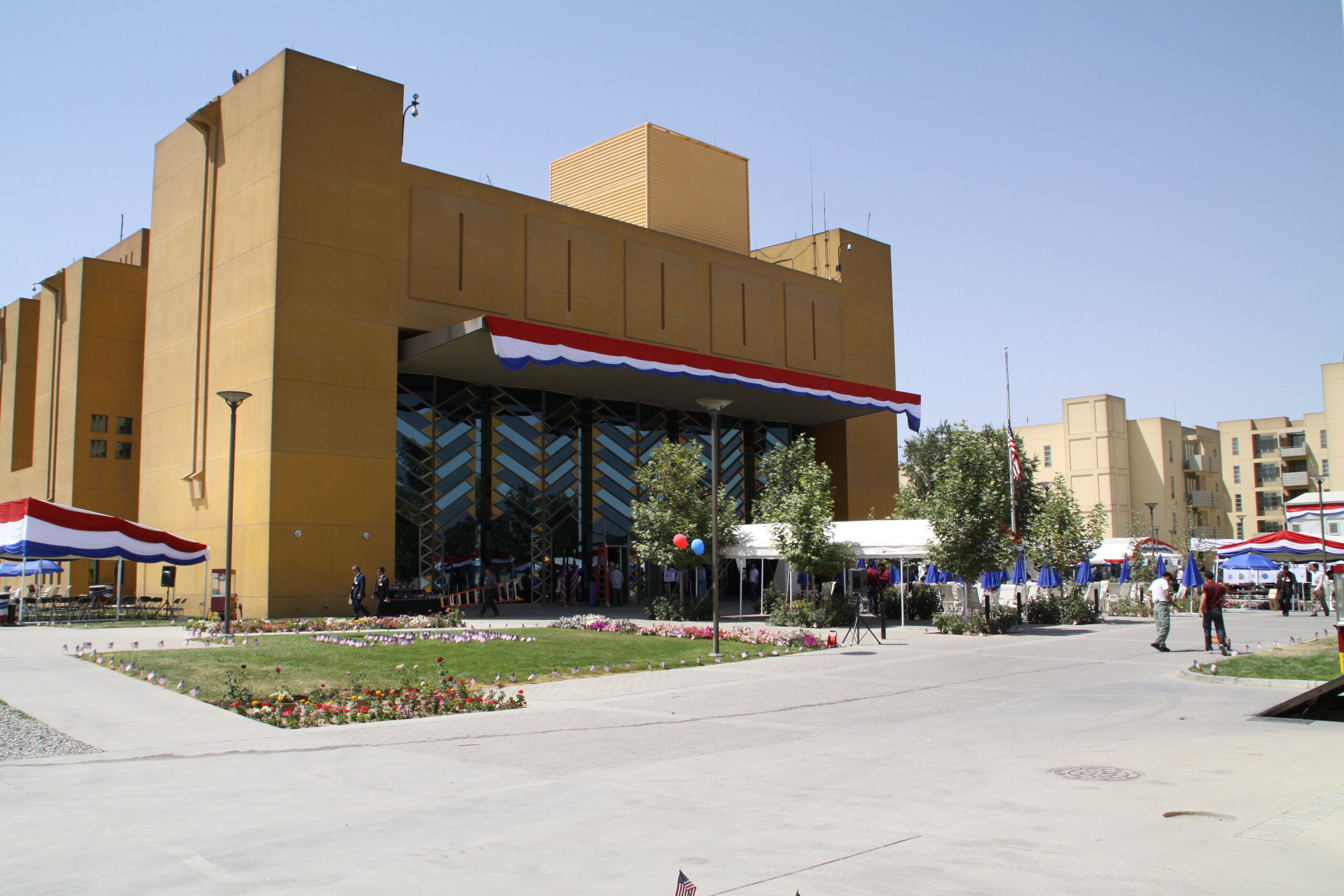
Former U.S. Ambassador Highlights Erosion of Trust Between Washington and Taliban
Ronald Neumann, the past U.S. Ambassador to Afghanistan, expressed deep concerns about the profound mistrust between Washington and the Taliban. In an interview, he urged for gradual steps towards normalizing relations, emphasizing the need for significant policy changes, particularly around women’s rights, before the U.S. considers reopening its embassy in Afghanistan. Neumann warned that without reciprocal actions from the Taliban, premature normalization would undermine progress and risk sidelining Afghanistan in U.S. foreign policy.
Tuesday, 25 August , 2026 -

UNAMA Calls for Investment in Alternative Livelihoods Amidst Afghanistan’s Economic Challenges
During a recent visit to Badakhshan, Georgette Gagnon, the acting head of the UN Assistance Mission in Afghanistan, urged for greater investment in sustainable livelihoods, particularly for women and farmers affected by the opium poppy ban. Gagnon’s meetings with local leaders revealed pressing economic hardships, while Taliban officials lamented the lack of international support for alternative crops and farmer assistance. With the challenges escalating, experts underscore the necessity for global cooperation to foster a stable future for Afghanistan.
Tuesday, 25 August , 2026 -

Former Taliban Governor Admits to Destroying Bamiyan Buddha Statues
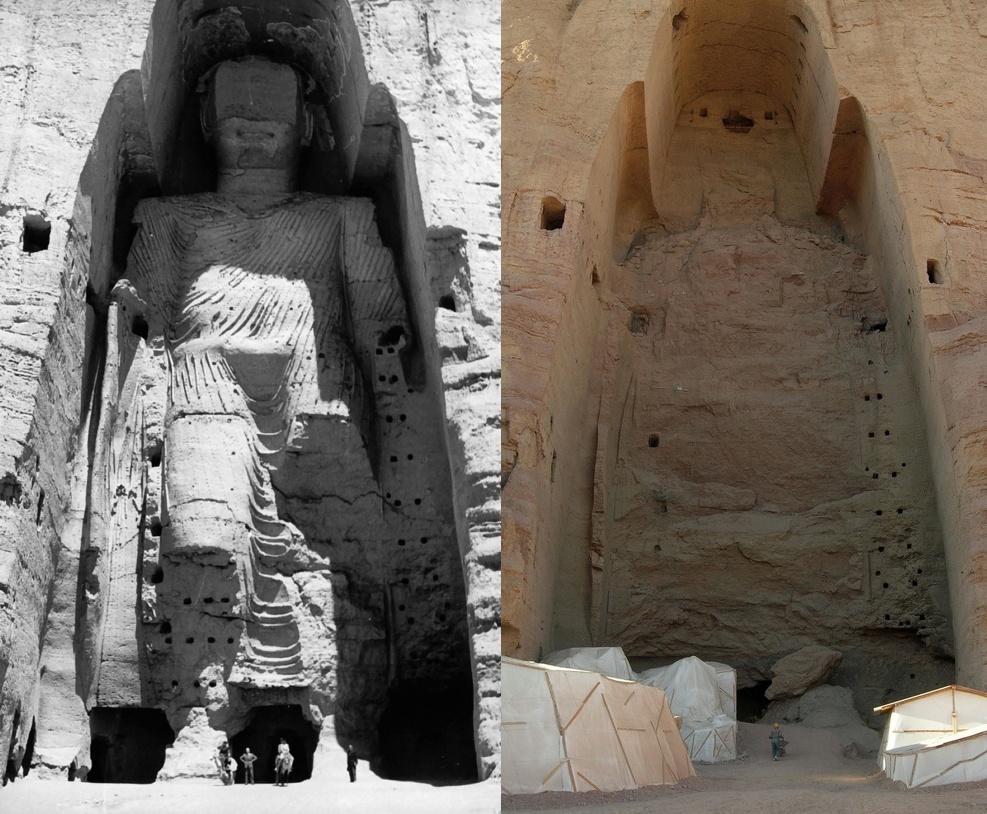
In a recent interview, Abdullah Sarhadi, the ex-Taliban governor of Bamiyan, openly confessed to personally demolishing the iconic Buddha statues in 2001, claiming it was an act of obedience to ‘God’s law’ and expressing no remorse for the cultural devastation it caused. This destruction remains one of the most infamous incidents of heritage loss in Afghanistan, garnering widespread international condemnation.
Tuesday, 25 August , 2026 -
Tragic Losses Highlight Healthcare Crisis in Kunar’s Chooki District
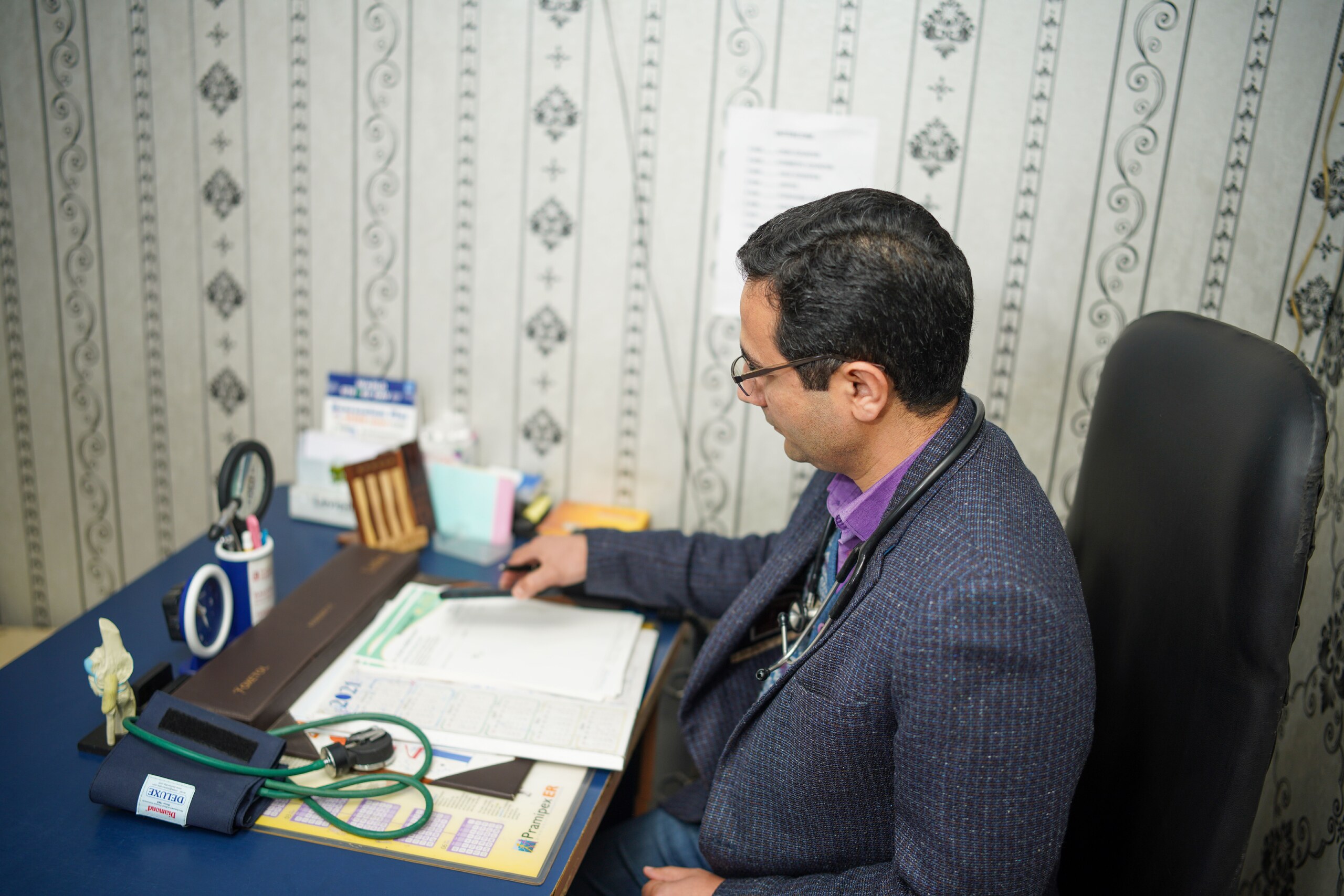
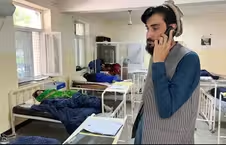
In Kunar province’s Chooki district, the recent deaths of a 10-year-old boy and a 70-year-old man due to inadequate healthcare access underscore the region’s urgent medical crisis. Local residents are calling for immediate government intervention to improve healthcare facilities as illnesses like cholera and malaria threaten the community. Despite official reassurances, fears about the deteriorating health situation persist among the population.
Monday, 24 August , 2026 -

Afghanistan Becomes Uzbekistan’s Third-Largest Export Partner
In the first half of 2026, Afghanistan emerged as Uzbekistan’s third-largest export destination, importing goods worth $961.5 million. This milestone solidifies Afghanistan’s significant role in regional trade, trailing only behind Russia and China, while highlighting a positive trend in economic ties that could spur growth and new business opportunities.
Monday, 24 August , 2026 -
Taliban Asserts Control Over Afghanistan-Tajikistan Border Amid Smuggling Issues
In a recent statement, Taliban spokesperson Zabihullah Mujahid emphasized that military activity is prohibited along the Afghanistan-Tajikistan border, stating that the region remains under control. This declaration follows recent border tensions, although Mujahid acknowledged ongoing smuggling operations and confirmed no significant security threats.
Monday, 24 August , 2026 -

AfghanEvac Urges Caution as U.S. Entry Ban for Afghans Remains in Effect
Despite a recent U.S. Federal Court ruling on visa policies, AfghanEvac’s president warns that the entry ban for Afghan immigrants continues. He urges Afghans to remain vigilant and not rely on media reports about their visa status, highlighting the need for clear guidance from U.S. authorities to resolve ongoing challenges.
Monday, 24 August , 2026 -

ISIS Khorasan Adaptation: A Persistent Threat Despite Territorial Losses
The ISIS Khorasan branch remains a formidable force in the region, continuing its operations through local networks and digital means, despite facing pressure from the Taliban. Recent assessments reveal a shift in the group’s strategy, moving away from territory-centric approaches to decentralized methods of recruitment and coordination, underscoring security challenges that could impact not just Afghanistan, but also Central Asia, Pakistan, and beyond. The need for regional cooperation to combat this evolving threat is more critical than ever.
Monday, 24 August , 2026 -
Taliban Expands Diplomacy: Strengthening Ties Amid International Isolation
In a bid to bolster its global standing, the Taliban has established over 40 diplomatic missions worldwide despite lacking formal recognition. Key partnerships with nations like China and Uzbekistan are pivotal for security and economic development, yet challenges remain with neighboring countries and human rights issues continue to hinder international acceptance.
Sunday, 23 August , 2026 -

Taliban Unveils Financial Incentives to Attract $68 Million in Investments
In a bid to boost the Afghan economy, the Taliban has announced a series of financial incentives aimed at attracting returning investors. With 81 traders committed to investing $68 million in 2024, the initiative includes tax exemptions, land grants in industrial parks, and job creation, signaling a renewed effort to encourage Afghan nationals abroad to reintegrate into the domestic market.
Sunday, 23 August , 2026 -
Returning Former Officials Face Mixed Experiences in Post-Taliban Afghanistan
Over the past five years, nearly 1,400 former Afghan officials have returned to the country, according to the Taliban’s Contact Commission. While some feel safer, others encounter significant challenges, particularly women facing increasing restrictions. Asaf Sediqi, a former senator, noted the desire of many Afghans to return home but acknowledged ongoing security issues.
Sunday, 23 August , 2026 -
Taliban’s Interior Minister Stresses University Role in Building Trust with Global Community
During a meeting with students at Sheikh Zayed University in Khost, Sirajuddin Haqqani, the Taliban’s Minister of Interior, highlighted the importance of universities in Afghanistan’s development and the government’s commitment to fostering international trust. He emphasized the potential of the Afghan people for progress, advocated for dialogue, and marked Afghanistan’s Independence Day by calling for security and self-sufficiency.
Saturday, 22 August , 2026 -
Hamid Karzai Speaks Out on Taliban Restrictions and the Urgent Need for Girls’ Education in Afghanistan
In a revealing podcast interview, former Afghan President Hamid Karzai disclosed that he requires Taliban permission to leave his home, underscoring the serious constraints imposed on his life. He highlighted the plight of nearly three million girls denied education in Afghanistan and called for greater opportunities for women in the workforce, aiming for international acknowledgment of their rights. Additionally, Karzai addressed the complex dynamics between the Taliban and Pakistan, expressing hope for a shift in relations.
Saturday, 22 August , 2026 -
Aisha Wahab Makes History as First Afghan-American in U.S. Congress
California’s Aisha Wahab has become the first Afghan-American elected to the U.S. Congress after winning a special election. A progressive voice, she aims to reshape U.S. foreign policy, particularly regarding Israel. Her victory is notable not only for its historic significance but also for the challenges she faced, including significant opposition funding aimed at her Republican rival.
Saturday, 22 August , 2026 -
Afghan Journalists Facing Dire Economic Struggles Amidst Rising Illness and Fatalities
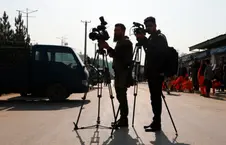
Afghan journalists are grappling with severe financial hardships as diminishing ad revenues lead many to leave the profession. Recent reports highlight tragic losses, including the deaths of two journalists from cancer due to lack of medical support. Calls for government and organizational assistance have gone largely unheeded, worsening the already precarious situation for reporters across the country.
Saturday, 22 August , 2026 -
Women’s Healthcare Access in Afghanistan Compromised by Taliban’s Mahram Requirement
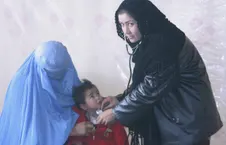
The Taliban’s enforcement of a male guardian requirement for women is creating severe obstacles for midwives in Afghanistan, particularly in rural areas. With many women unable to travel for necessary medical care, midwives report significant struggles in delivering essential services. A 42-year-old midwife recounts her difficulties and the dangers she faces, while rural women voice their frustrations over limited healthcare access. Experts warn that these restrictions could exacerbate Afghanistan’s already alarming maternal and infant mortality rates.
Friday, 21 August , 2026 -
UN Calls for Preparedness and Investment in Disaster Prevention in Afghanistan
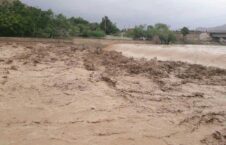
During a recent meeting in Kabul, the United Nations stressed the urgent need for Afghanistan to enhance its preparedness for natural disasters. With recent floods causing extensive damage and loss of life, UN representatives urged the country to shift focus from reactive responses to proactive measures, including early warning systems. Key officials, including those from UNICEF and the Taliban government, highlighted the critical challenges facing the nation, advocating for transparent aid distribution and increased investments in preventive infrastructures.
Friday, 21 August , 2026 -
Cancer Cases Surge in Afghanistan Amid Crippling Treatment Shortages
The prevalence of cancer in Afghanistan has reached alarming levels, leaving patients like Nooria Maqsudi grappling with inadequate medical facilities and financial difficulties. With annual cancer-related deaths surpassing 16,000, experts warn that the lack of resources and oversight is exacerbating the crisis, yet the Taliban’s Ministry of Public Health has not addressed the urgent needs of those suffering.
Friday, 21 August , 2026