Social September 24, 2026
Short Link:Afghan Refugees in Germany Face Growing Uncertainty Amidst AfD’s Rise
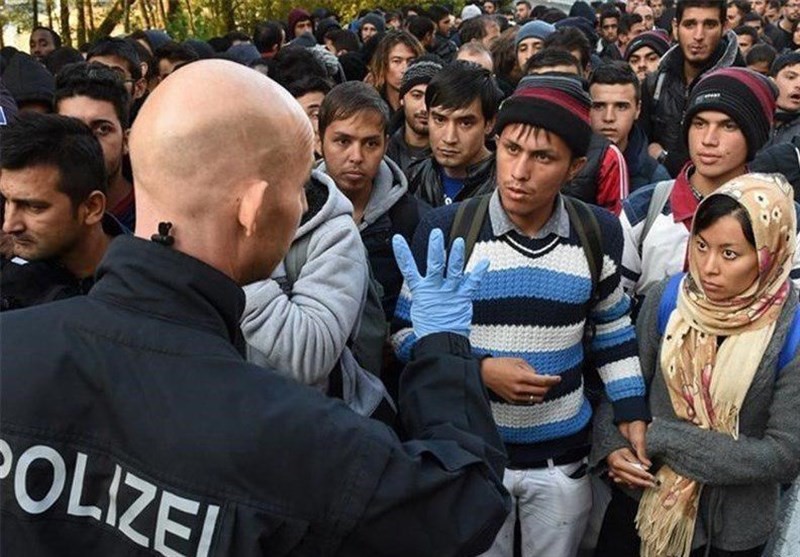
Afghan refugees in Germany are facing uncertainty due to the rise of the AfD party and concerns related to new policies. The party has managed to secure 152 seats in the German parliament.
The Rise of AfD and New Concerns
The right-wing party Alternative for Germany (AfD), with its increasing influence in the federal parliament, has sparked deep concerns among Afghan refugees regarding their residency status. Following the elections in the month of Hoot 1403, the party achieved 152 seats in the Bundestag, becoming the second most powerful political entity in that institution.
AfD consistently emphasizes the need to expel refugees. In a recent Bundestag session, Alice Weidel, a key figure in the party, renewed efforts to challenge Berlin’s immigration policies and called for the forced removal of migrants.
Impact on Afghan Refugees
These hardline stances have caused despair among Afghans facing rejected asylum applications. Refugees like Nabi in Lower Saxony and Abubakar in Hamburg, who have struggled for years to remain and study, are concerned that the rise of anti-immigrant parties has dashed their hopes for a review of their cases and may lead to deportations back to Afghanistan.
Opinions of Migration Rights Activists
Sana Arabzadeh, a migration rights activist, argues that the increase in AfD seats in the legislature does not immediately translate into changes to immigration laws. She emphasizes that while the party holds more political pressure, the implementation of its proposals depends on complex legal processes and the approval of relevant authorities.
Deportation Actions for Refugees
In the meantime, the federal government of Germany continues its deportation of Afghan nationals. Recent data from the German Ministry of the Interior, released at the end of the month of Sunbal, indicates that 263 Afghan refugees with criminal records have been deported to Kabul, of which 87 were expelled between the months of Jaddi and Jawzay of the current solar year.
German Chancellor Friedrich Merz, defending the country’s economic policies, stated that the government distinguishes between migrants without residency rights and others actively participating in the job market, strongly opposing widespread deportations.
-

Pakistan Evaluates Afghan Refugee Relocation from the U.S.
-
UNHCR Clarifies Stance on Afghan Refugee Transfer Amid Growing Concerns
-
Taliban Expresses Concern Over U.S. Plans to Transfer Afghan Refugees to Pakistan
-
Nationwide Protests Erupt in Germany Against Refugee Deportations
-
UN Experts Urge EU to Halt Deportations of Afghan Refugees Amid Human Rights Concerns
-

Over 680 Afghan Refugees Return Home in a Single Day