Social September 28, 2026
Short Link:Afghanistan’s Road Crisis: Over 92% Unpaved, Threatening Access to Healthcare
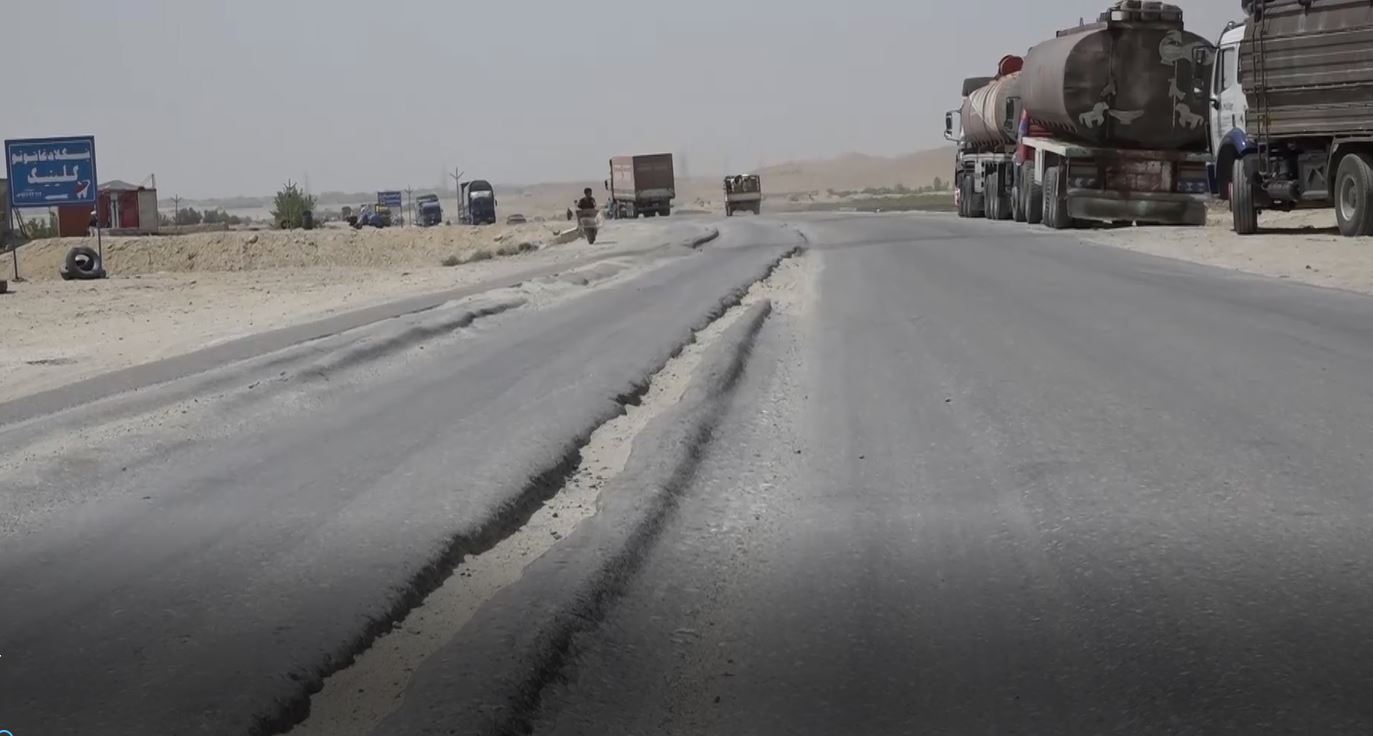
According to recent assessments, over 92% of Afghanistan’s roads remain unpaved and substandard. This situation has created serious challenges for patients needing transportation and access to healthcare facilities.
Dire Condition of Afghanistan’s Roads
As reported by the National Statistics and Information Authority, more than 92% of Afghanistan’s transportation networks are still unpaved and inadequate. Mohammad Halim Rafee, spokesperson for the agency, announced on September 15, 2023, that out of over 245,000 kilometers of recognized roads in the country, only 7.4% have been paved.
This poor condition has caused numerous problems for people in various provinces. Residents of provinces such as Helmand, Takhar, Badghis, and Nangarhar have expressed their frustrations over traffic disruptions and health-related issues resulting from the dilapidated roads. For instance, the seven-kilometer route between Lashkar Gah and the historical site of Ab-e Da’i has put the lives of many patients at risk and has led to destruction of agricultural produce.
In the northern and western regions, villagers also report frequent vehicle breakdowns and significant hardships in their daily lives. In Badghis province, aside from the route to Ab Kamari, all major roads are completely unpaved. This situation is particularly detrimental to women and children who struggle to access essential services.
Causes and Consequences
Construction experts attribute these deteriorated conditions to five decades of war, budget shortages, and neglect of road maintenance programs. They emphasize that roads require resurfacing every 15 years; otherwise, floods and heavy loads can also devastate paved roads.
These experts believe that the development and improvement of rural roads is not only a transportation necessity but also a prerequisite for reviving the agricultural economy and ensuring equitable access to essential services. Therefore, the need for reassessment in this area has become increasingly critical.
-

UN Calls for Urgent Action as Afghanistan Faces Deepening Crisis
-
Returnees from Pakistan Face Dire Educational and Economic Challenges for Daughters
-
Tensions Flare Again Along the Durand Line Amid Conflicting Claims
-
UN Official Urges Essential Role of Women in Afghan Humanitarian Efforts
-
Human Rights Advocates Urge Action Against Taliban’s Suppression of Religious Minorities in Afghanistan
-
Afghanistan Faces Dual Water Crisis Amid Seasonal Rains