Social September 26, 2026
Short Link:Afghan Girls Forge Their Own Path to Education Amid Restrictions
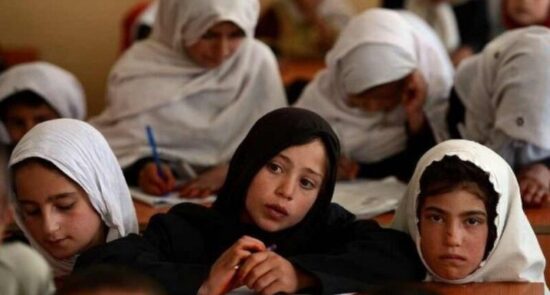
In response to new educational restrictions, many Afghan girls have established home and online teaching classes. These efforts reflect their determination to pursue education and access knowledge.
Afghan Girls Continue Their Education Through Home Teaching
The denial of access to formal educational institutions has prompted a number of Afghan girls and students to set up home and virtual classes to prevent a disconnection from learning. Although these initiatives are seen as individual efforts, the participants acknowledge that they can never replace a formal educational system.
Hariya’s Experience from Khost Province
Hariya, a girl from Khost province, has faced interruptions after finishing the sixth grade due to the restrictions on seventh-grade attendance. She is now teaching local children and her younger brothers various subjects, including spelling and English, at home. She considers this activity a motivation to continue her education and maintain a positive outlook.
Fatima’s Online Teaching in Kabul
In Kabul, Fatima, a university student who cannot continue her education due to restrictions, conducts four online classes in two shifts. In addition to helping local children, she teaches religious subjects and Pashto to students from other countries, receiving a small fee for her services.
Temporary Measures and Young Teachers’ Demands
These young educators acknowledge that online or covert teaching methods cannot replace educational institutions and view this solely as a temporary measure against academic stagnation. They are calling for the immediate removal of educational barriers imposed by the Taliban government.
Response from the Ministry of Education and Global Statistics
Meanwhile, Zabihullah Hemat, spokesperson for the Taliban’s Ministry of Education, has not provided any response on this issue. The restrictions imposed on girls’ education beyond sixth grade and women’s higher education, which have been in place since 2021, have led to widespread international criticism. According to a report by UNICEF on August 15, nearly 2.6 million girls in recent years have been deprived of access to secondary education in Afghanistan.


