Economic September 27, 2026
Short Link:Traders in Afghanistan Turn to Exchange Offices as Banking Challenges Persist
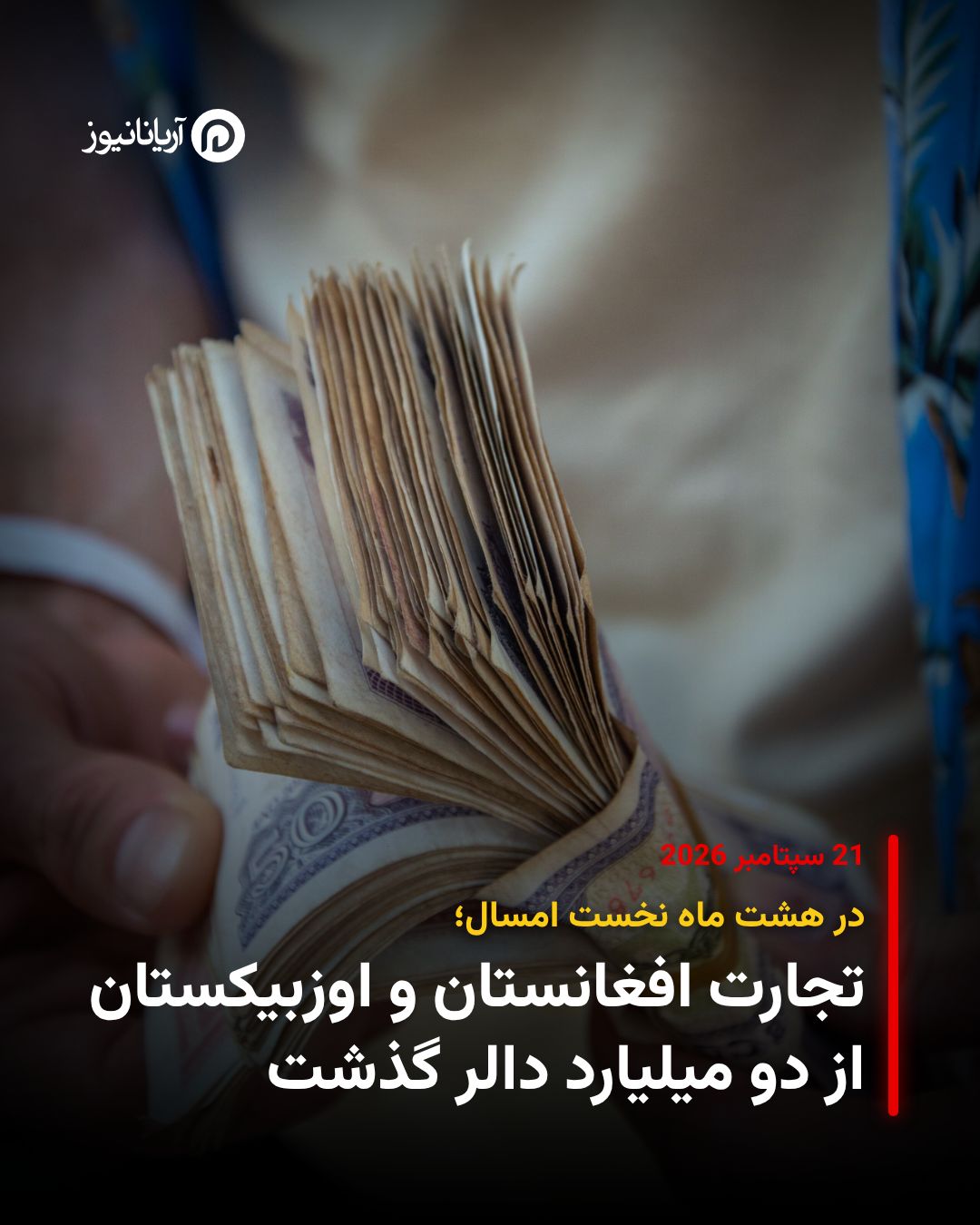
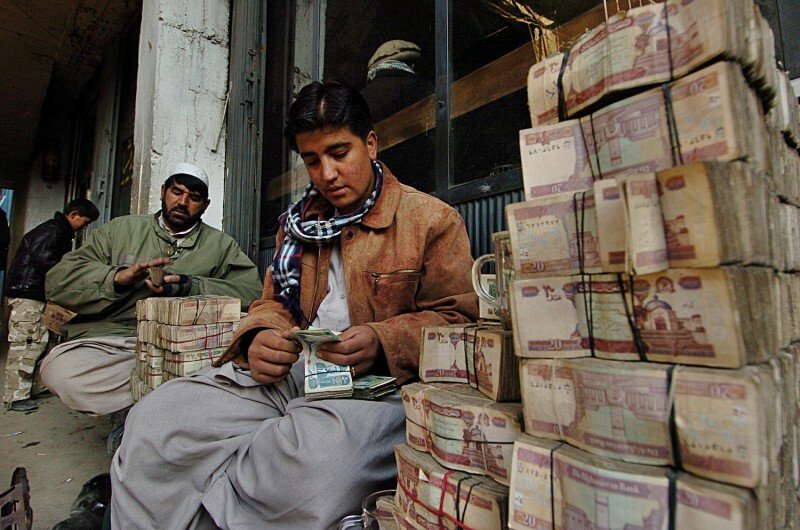
The significant banking challenges in Afghanistan have compelled both traders and the general public to continue relying on remittance systems and exchange offices. Administrative issues and slow banking services have exacerbated this situation.
Traders in Afghanistan Favor Exchange Offices Over Banks
Administrative hurdles, delays in transactions, and limitations on foreign currency withdrawals have driven many individuals and traders in Afghanistan to prefer the traditional remittance system and exchange offices over private banks. Some banking customers highlight that the lack of banking representatives in rural areas and the practice of banks distributing Afghanis instead of dollars have decreased their incentive to utilize formal financial services.
Increase in Bank Branches, Yet Problems Persist
Residents of Laghman and Nangarhar provinces emphasize that, despite being a traditional system, liquidity in exchange offices is settled quickly without the multi-day delays and administrative complexities present in banks. This efficiency contrasts with the $2,000 withdrawal limit imposed by banks, making the exchange offices more appealing for financial transactions.
Delays in Banking Transactions Hinder Effective Trade in Afghanistan
Business leaders also cite delays in commercial transactions and the high costs associated with banking services as primary reasons for the ongoing preference for cash transactions. Members of the Nangarhar Chamber of Commerce and Investment note that the lengthy reconciliation processes within the banking system have forced traders to transfer substantial business amounts through remittance networks.
Da Afghanistan Bank Fails to Address Banking Challenges
Meanwhile, officials from Da Afghanistan Bank have refrained from responding to the challenges and needs of their clients. According to findings from the World Bank, the financial system in Afghanistan remains fragile despite an increase in bank branches from 369 to 446 and a rise in the number of ATMs to 274 between 2022 and 2024.
Long-term Reliance on Remittance Systems Poses Economic Isolation Risks
Research indicates that following the events of August 2021, which severed Afghanistan’s access to foreign currency reserves and international financial systems, a significant portion of liquidity has shifted away from formal financial structures. Financial experts believe that while exchange offices and remittance networks have played a vital role in sustaining trade in recent years, a prolonged reliance on these systems could lead to banking isolation and economic stagnation. They stress that improving the national economy requires structural reforms and reintegrating the banking system with international financial networks.
-

Afghan Families Struggle to Afford Basic Food Items Amid Economic Crisis
-
Economic Growth in Afghanistan Overshadowed by Declining Per Capita Income and Rising Poverty
-
Afghan Youth Flee Education for Work and Migration Amidst Unemployment Crisis
-
Taliban Unveils Financial Incentives to Attract $68 Million in Investments
-
Afghanistan’s Frozen Assets in Switzerland Yield $700 Million, Total Value Reaches $4.2 Billion
-
Dramatic Decline in Transit Trade Between Kabul and Islamabad Triggers Economic Shift