Economic September 25, 2026
Short Link:Afghan Farmers in Crisis as Trade Route Closures Slash Grape Prices
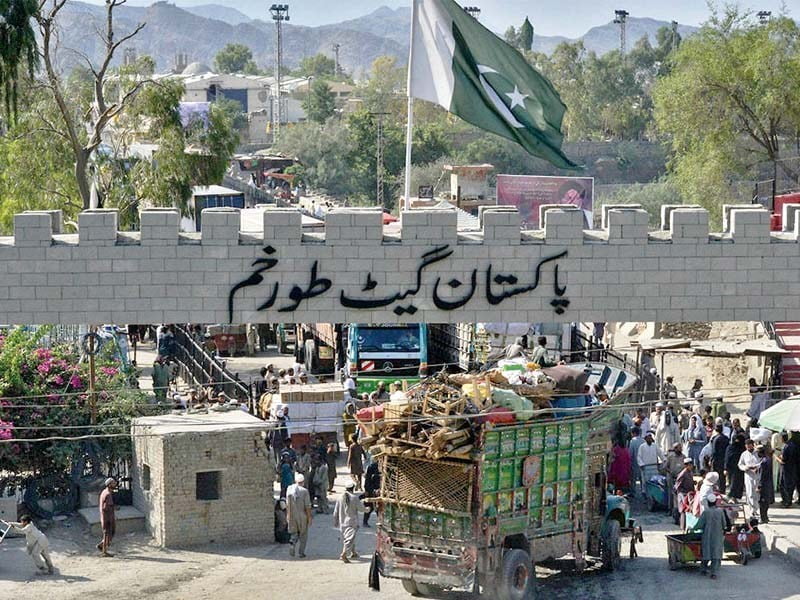
Trade route closures with Pakistan and a shortage of standard cold storage facilities have plunged Afghan farmers into a serious crisis, leading to a drastic drop in grape prices.
Closure of the Torkham Border Strains Farmers
As the harvest season for fruit crops begins in Afghanistan, farmers are facing severe financial challenges due to the closure of trade routes with Pakistan, particularly the Torkham border crossing. Alongside the absence of standard cold storage facilities and the lack of appropriate export markets, this situation has resulted in falling prices.
Local entrepreneurs have reported that in Bagram district of Parwan, farmers producing over 17 tons of grapes have seen the price for each seer drop from 100 Afghanis last year to just 60 Afghanis, resulting in significant financial losses. In the Kohistanat district of Sar-e Pol and the center of Logar province, the value of each carton of grapes has plummeted from 1,200 Afghanis to approximately 200 to 250 Afghanis.
Need for Alternative Trade Corridors
Economic expert Mohammad Bashir Doodial notes that the lack of processing capacity and the shortage of cold storage facilities have exacerbated this crisis. He emphasizes the urgent need to establish alternative trade corridors, pointing out that, despite 450 cold storage facilities in the country, a large portion of them remain inactive and are unable to accommodate the bulk of seasonal production.
These challenges have reached a peak as the strategic Torkham border has remained closed since last October due to security tensions and border clashes between the Taliban and the Pakistani military, currently only allowing returnees to pass. This situation has severed the main artery of fresh fruit exports from Afghanistan, directly impacting the farmers.
Risk of Agricultural Product Destruction Due to Border Closures
As a result of these issues, Afghan farmers are facing the risk of losing their crops, with the quality of perishable fruits severely deteriorating due to transportation delays and hot weather. This situation poses a serious threat to families reliant on agriculture and jeopardizes a year’s worth of their hard work.


