Economic September 26, 2026
Short Link:Afghan Families Struggling Amid Soaring Food Prices and Economic Crisis
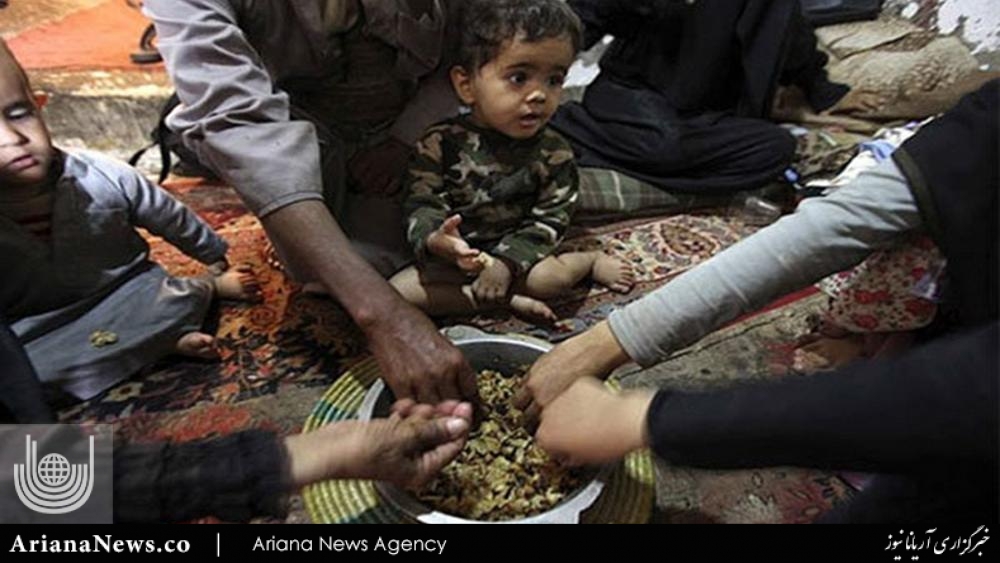
As food prices continue to soar and trade routes become obstructed, Afghan families are facing serious challenges in meeting their basic needs. The economic situation has worsened, and international organizations have highlighted this development.
Unprecedented Rise in Food Prices Reduces Families’ Purchasing Power
The unprecedented increase in food prices in Afghanistan has placed immense pressure on families, severely diminishing their purchasing power. Reputable global organizations have provided alarming data confirming this condition.
According to a report recently presented to the United Nations Security Council by the Secretary-General, the overall inflation rate in the country reached 7.8 percent in the month of Sawr, while the inflation rate for food climbed to 8.2 percent. Additionally, the World Bank has reported that the inflation rate for the month of Hamal was 7.6 percent.
Families Complain About Rising Living Costs and Decreasing Purchasing Power
The World Food Program has reported a worsening hunger crisis in Afghanistan, stating that approximately 13.8 million people in the country are facing severe food insecurity. Economic experts attribute the increase in transit costs and food supply chain issues to the blockade of trade borders and political tensions.
Economic expert Azharkh Hafezi notes that Afghanistan’s heavy reliance on imports rapidly transfers the effects of political fluctuations and port closures to domestic markets. In the absence of adequate income, this leads to the collapse of the middle class and exacerbates widespread poverty.
Households Express Concerns Over Price Increases
Majgan, the breadwinner of a seven-member family, has lamented the rise in the price of a sack of flour from 1,200 to 1,800 Afghanis and the cost of sugar nearing 80 Afghanis. She explains that to meet their basic needs, she has been forced to eliminate meat and poultry from her family’s diet.
In Logar, Golthom, a caretaker of eight children, said she cannot afford protein-rich foods due to unemployment and economic difficulties, and has no choice but to rely solely on inexpensive vegetables. Haidar, a government employee in Ghazni, mentions that the price of goods has drastically increased, prompting him to reduce the family’s food budget to cover his children’s educational expenses.
Political Tensions and Blocked Borders Contributing to Afghanistan’s Food Crisis
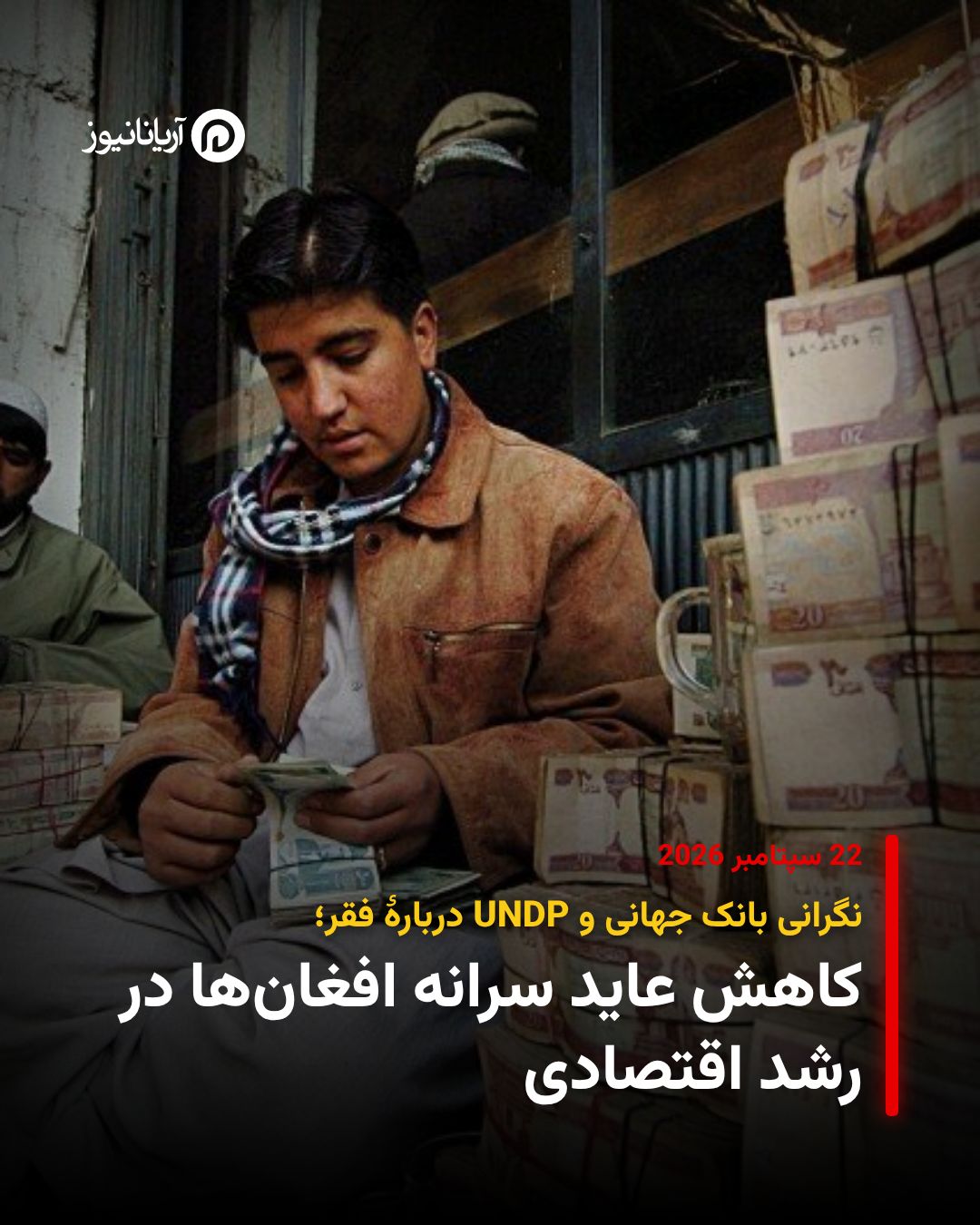
This economic crisis has also impacted traders, with several shopkeepers in Mandawi, Kabul—including Khyber—reporting a significant drop in cash sales coupled with an increase in credit and petty transactions. Despite the gravity of this crisis, the spokesperson for the Ministry of Industry and Commerce has remained silent regarding the ministry’s measures to control prices and monitor the market.
-

UN Security Council Faces Division Over Afghanistan Mission Extension
-
WFP Launches Emergency Aid for Displaced Families Amid Ongoing Border Conflicts
-
As Autumn Approaches, Displaced Afghan Families Struggle for Survival Amidst Economic Hardships
-
Over 100 Health Centers Close in Afghanistan, Straining Care for Malnourished Children
-
Afghanistan Faces Alarming Food Insecurity This Winter, WFP Warns
-
Australia Pledges $9 Million to Alleviate Humanitarian Crisis in Afghanistan