Torkham Closure Cuts Off Vital Diabetes Care for Afghans
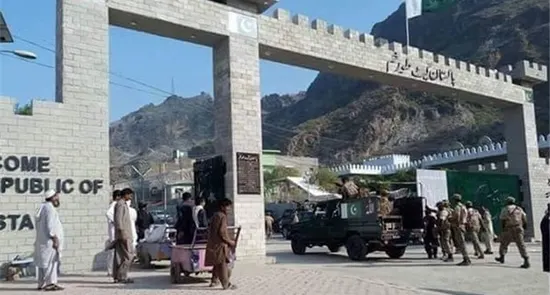
The continued closure of the Torkham border crossing has severely disrupted diabetes care in Afghanistan’s Nangarhar province, affecting access to treatment for the country’s estimated 1.9 million people with the disease.
Torkham closure disrupts diabetes treatment for Afghans
The closure of the Torkham crossing has made it much harder for people with diabetes in Nangarhar to get treatment. Patients say they can no longer readily travel to hospitals in Pakistan’s Khyber Pakhtunkhwa province, where many had sought care.
Afghanistan’s Taliban-run Ministry of Public Health estimates that about 1.9 million people in the country have diabetes. Nearly 71 percent are unaware they have the condition. Health specialists warn that delays in treatment can lead to serious complications.
Patients describe difficulties after routes close
Wali Khan Naseri, who has diabetes, said the border closure had cut off treatment options for him and other patients, leaving them struggling to obtain medicine and diagnostic tests. “The closure has had a very serious impact. We have experienced doctors in the country, but shortages of quality medicines and diagnostic equipment create major problems for patients,” he said.
Mohammadullah, another Nangarhar resident, said his mother had been travelling to Khyber Pakhtunkhwa for medical tests. The family now has to take her to Kabul each month, he said, at a cost they can barely afford.
Barriers to treatment in Afghanistan
The closure of the Torkham route has disrupted not only trade but also medical travel for thousands of Afghans. A report published by Pakistan’s Dawn newspaper in January said border closures had created serious obstacles for Afghan patients seeking treatment.
The World Health Organization (WHO) has said access to specialist care for chronic conditions, particularly diabetes, is limited in Afghanistan. Economic hardship and a shortage of specialist health workers are among the main barriers.
Abdul Wali Haqqani, deputy minister for health services at the Ministry of Public Health, said recently that 1.9 million people in Afghanistan have diabetes and called for greater public awareness. Noorullah Ghani, an internal medicine specialist, said controlling blood sugar and maintaining a healthy diet are important in preventing type 2 diabetes.


