Economic updated: September 10, 2026
Short Link:Trade Between Afghanistan and Pakistan Faces Severe Disruption Amid Ongoing Tensions

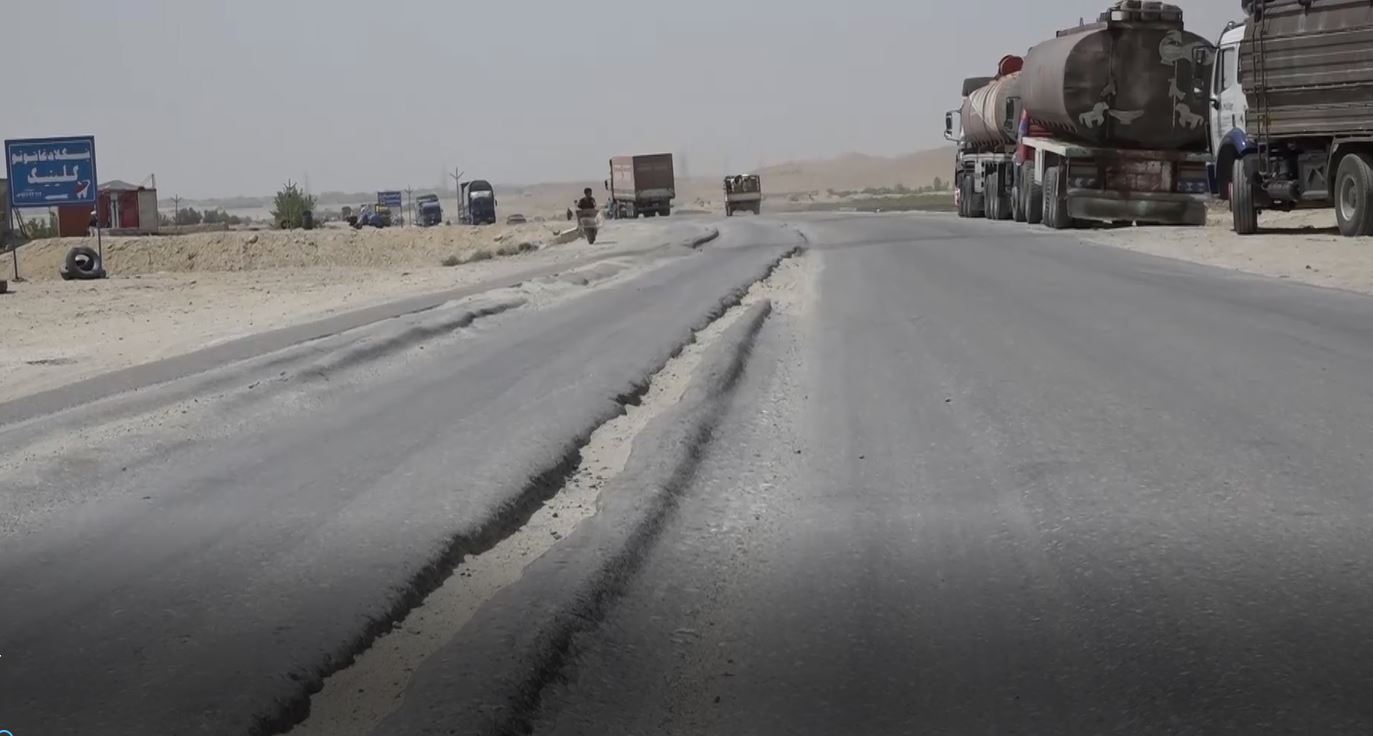
The trade and economic activities between Afghanistan and Pakistan have faced serious challenges due to ongoing political tensions. The closure of border crossings has adversely affected exports and the prices of agricultural products.
Escalating Trade Crisis Between Afghanistan and Pakistan Amid Tensions
The unresolved tensions between the Taliban government and Pakistan have significantly impacted the trade and economic activities of both countries. The closure of borders has disrupted exports, imports, and transit, leading merchants on both sides to call for the reopening of trade routes.
Agricultural products, particularly fresh fruits, comprise a substantial portion of Afghanistan’s exports. Traders report that the closure of trade routes has resulted in decreased prices and spoilage of some products. Akhtar Mohammad Ahmadi, head of the Fresh Fruit Market, informed Radio Azadi that the price of fresh fruits has dropped by about 50% compared to last year. He noted, “The price of one kilogram of grapes in Kabul ranges between 40 to 80 Afghanis, and one kilogram of apples between 50 to 100 Afghanis. The prices of figs, apricots, and pears have also decreased similarly.”
Afghanistan-Pakistan Trade Suffers $2.5 Billion Loss
Yusuf Afridi, head of the Khyber Chamber of Commerce and Industry, announced on Thursday, September 12, that the closure of borders has caused approximately $2.5 billion in losses to trade with Afghanistan. This figure includes $1.644 billion in exports and $817 million in imports. Earlier, the Afghanistan Chamber of Commerce and Investment also reported millions of dollars in losses due to the closure of trade routes.
Mohammad Yunus Mohmand, the first deputy of the Afghanistan Chamber of Commerce and Investment, told Radio Azadi that the closure of crossings has also harmed trade and transport services, emphasizing the need for Afghanistan to find alternative routes.
Prices of Fresh Fruits in Afghanistan Drop Due to Trade Crisis
Pakistani traders have also expressed concerns about the current situation. Syed Hussain Jawad Kazemi, a member of the Pakistan Chamber of Commerce, emphasized that trade cannot thrive in an insecure environment and called for measures to ensure safety for economic activities.
Reports suggest that a meeting took place in Peshawar involving traders and political analysts, focusing on security and the revival of trade between the two countries. Political analyst Mohaziz Hussain proposed that Pakistan should reassess its approach towards Afghanistan and strengthen economic ties.
Taliban Government: Pakistan’s Security Concerns Must Be Addressed Before Border Reopening
The Taliban government has not commented on recent developments, but Islamabad has stated that the border crossings will only reopen once Kabul provides the necessary assurances. China has recently made efforts to reduce tensions between the two countries, which Pakistan has welcomed. Meanwhile, the Taliban government asserts that guarantees must be given to prevent the border from being closed again amid political tensions.
-

UN Calls for Urgent Action as Afghanistan Faces Deepening Crisis
-
Afghanistan’s Road Crisis: Over 92% Unpaved, Threatening Access to Healthcare
-
Returnees from Pakistan Face Dire Educational and Economic Challenges for Daughters
-
Tensions Flare Again Along the Durand Line Amid Conflicting Claims
-
Afghan Girls Ignite Educational Initiative Amid Restrictions
-
UN Official Urges Essential Role of Women in Afghan Humanitarian Efforts