Social September 29, 2026
Short Link:Funding Crisis Threatens Women’s Organizations in Afghanistan
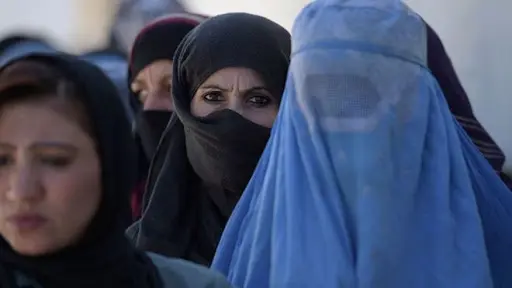
The significant reduction in global financial assistance for women-centric organizations in Afghanistan has created a crisis for the livelihoods of vulnerable families. By 2025, 72 percent of women’s rights organizations are expected to face severe funding shortages.
Decline in Financial Support for Women’s Organizations in Afghanistan
International financial support for women’s rights groups and civil society organizations in Afghanistan has noticeably diminished, putting immense pressure on these entities. This situation has particularly impacted the lives of single-parent families and those in need across the country.
A recent study conducted by UN Women, published on the ReliefWeb database, indicates that 72 percent of advocacy organizations will encounter significant funding shortfalls by 2025. The survey collected perspectives from 74 non-governmental organizations operating in Afghanistan, revealing that over 50 percent may entirely suspend their activities within the next twelve months.
Growing Concerns Over the Crisis Facing Women’s Institutions
More than 80 percent of participants in this study expressed alarm regarding the gradual extinction of women’s organizations in Afghanistan. Raheema, a widow and the sole supporter of three children in Balkh Province, shared her dire economic situation: “We have no place to live, and even dry bread is insufficient to feed my children. We haven’t tasted fresh meat or fruit in two years.”
Women’s rights advocates emphasize that the overlapping pressures of political restrictions and limitations imposed by the Taliban’s interim government, coupled with declining foreign financial support, have severely jeopardized civil activities. A civil rights activist in Kabul, who wished to remain anonymous, noted that as barriers increase, so too do the vulnerabilities and needs of women, while capacity for aid has dwindled to a minimum.
Financial Consequences for Women’s Organizations
Reports from the United Nations women’s sector indicate that 83 percent of organizations are reporting a rise in demand for financial assistance. However, 77 percent acknowledge their inability to meet these needs. This financial crisis has led to the closure of safe houses, halting legal programs, reducing counseling and livelihood services, and increasing instances of domestic violence and forced marriages of young girls.
Consequently, 92 percent of these organizations have had to drastically reduce their staff numbers. The organizations involved in this survey have urged the global community to reinstate direct and sustainable financial support for Afghan women before a complete crisis ensues.
-

Taliban Intensifies Pressure on Afghanistan’s Shia Community: Educational Institutions Targeted
-
Clashes Erupt in Kamdish as Taliban and Afghanistan Freedom Front Engage in Heavy Fighting
-
Herat’s Trade Boom: Exchanges with Kazakhstan Reach $581 Million
-
Tensions Flare Again Along the Durand Line Amid Conflicting Claims
-
Human Rights Advocates Urge Action Against Taliban’s Suppression of Religious Minorities in Afghanistan
-
Russia Urges Taliban and Pakistan to Seek Dialogue Amid Rising Tensions