Social updated: September 30, 2026
Short Link:Critical Malnutrition Crisis Affects Over 500,000 Afghan Children Amid Rising Poverty
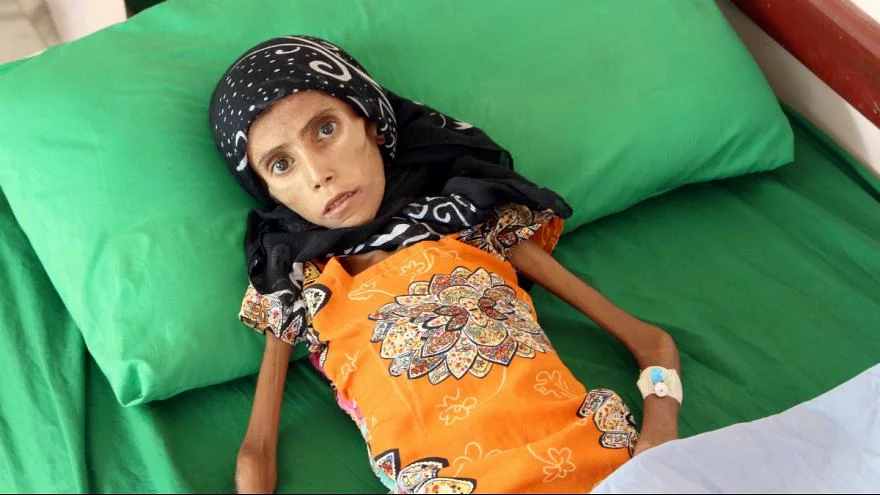
Half a million children in Afghanistan are suffering from acute malnutrition due to poverty and unemployment, putting their lives at risk. Families are expressing deep concern over the alarming state of their children’s health.
Half a Million Afghan Children at Risk of Severe Malnutrition; Poverty and Unemployment Are the Main Causes
The escalating issues of poverty, unemployment, and food insecurity in Afghanistan have pushed child nutrition to a critical level. According to United Nations statistics, over one million children across the country are at risk of acute malnutrition.
A 24-year-old woman from Laghman Province, a mother of six, shared how chronic poverty has affected her family’s life. She recounted to reporters that her two-and-a-half-year-old daughter, Hasina, is suffering from severe malnutrition. She mentioned that her husband works as a brick kiln laborer, and their income is insufficient to meet their nutritional needs.
Similar stories are emerging from Kabul, where Nematullah, a resident, spoke about the struggles of his three-year-old daughter, who has been suffering from acute malnutrition for months. He noted that the suspension of medical aid packages has exacerbated her condition.
Alarming Statistics and International Reactions
Alfatullah Mohibzai, a health volunteer in Nangarhar Province, reported an alarming statistic from his assessments: on average, one in five children in the Achin district suffers from moderate to severe malnutrition. He highlighted the lack of medical supplies as a significant challenge amid rising patient numbers.
Tajuddin Ouywala, a UNICEF representative in Afghanistan, recently stated in a meeting in New York that more than 500,000 children have been admitted to treatment centers due to severe wasting in the past nine months. UNICEF estimates the total number of children suffering from malnutrition in Afghanistan is around 3.7 million.
Fundamental Challenges and Government’s Response Criticism
The Taliban’s Ministry of Public Health has consistently downplayed the severity of the acute malnutrition crisis, claiming that international organizations are exaggerating the situation. Dr. Khwaja Babarkhil, a pediatric nutrition specialist, emphasized the importance of breastfeeding and simple liquids for saving children’s lives. However, the World Health Organization (WHO) believes that the crisis stemming from drought and structural poverty has seriously undermined the wellbeing of children.
-

Families Torn Apart: Afghan Migration Driven by Lack of Job Opportunities
-
Returnees from Pakistan Face Dire Educational and Economic Challenges for Daughters
-
Economic Crisis in Afghanistan Delays Marriage Aspirations for Youth
-
UNICEF Reports Over 480,000 Afghan Children Treated for Severe Malnutrition Amid Ongoing Crisis
-
Afghanistan Faces Looming Crisis in Female Educators and Healthcare Providers by 2030
-
Afghanistan’s Media Landscape Faces Severe Crisis Despite Taliban Promises