World September 18, 2026
Short Link:Democratic Senators Condemn Trump’s Threats Against Iran as War Crimes
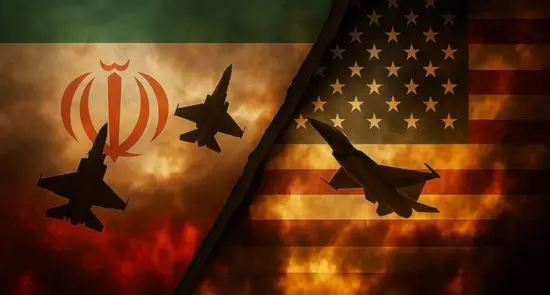
Several prominent Democratic senators have condemned Donald Trump’s recent threats of an attack on Iran’s infrastructure, labeling them as a war crime and warning of catastrophic repercussions for the global energy market. Economic experts believe that ongoing tensions and potential blockages of the Strait of Hormuz could drive oil prices to record highs of $170 to $200 per barrel.
Response to Potential War Crimes and Military Consequences
Trump’s recent comments regarding the possibility of targeting critical Iranian infrastructure have provoked a strong backlash from Democratic senators in the United States. These high-ranking officials describe such actions as not only escalating regional tensions but also a clear example of war crimes, calling for an immediate halt to this reckless approach.
Senator Edward Markey of Massachusetts criticized Trump’s rhetoric, asserting that chaotic messages and threats of committing war crimes will never resolve the situation in the Strait of Hormuz. He emphasized that Washington should pursue diplomacy and dialogue with Iran to prevent soaring fuel prices and to protect the lives of American servicemen. Likewise, Senator Chris Murphy of Connecticut referred to Trump’s potential plans as blatant war crimes, urging Republican leaders to intervene and prevent any illegal actions.
Threats to Civilian Infrastructure and U.S. Forces’ Security
Senator Elissa Slotkin from Michigan denounced the targeting of civilian infrastructures such as bridges and power plants as an improper and irresponsible action. She warned that attacking civilian personnel and facilities would significantly jeopardize the safety of U.S. forces stationed in the region and could result in irreparable costs for the United States.
The Shadow of Economic Crisis and $200 Oil on the World
In addition to the political tensions, economic experts are warning of a collapse in energy market stability. Current analyses suggest that if Trump continues with his aggressive policies and the Strait of Hormuz remains blocked—a vital artery for the global economy—oil prices could soon surpass $170. Previously, the Macquarie financial group indicated that under continued conflict and closure of this strategic passage, prices could reach an unprecedented $200 per barrel. This economic crisis may lead to rampant inflation in the U.S. and other countries worldwide, stemming from a preference for military options over diplomatic solutions.
-

New Evidence Delays UK Investigation into Afghanistan War Crimes
-
Iran Pushes for Diplomatic Peace Between Taliban and Pakistan
-
Iran, Taliban, and Russia Unite for Regional Stability Talks
-
Taliban Emphasizes Chabahar Port as Key Trade Route for Afghanistan
-
Ex-Mossad Officer Claims Epstein Was a Spy for Israel, Blackmailing Trump
-
Democratic Senators Condemn Trump’s Infrastructure Threats in Iran as War Crimes