Putin’s Praise for Taliban’s Anti-Terror Efforts Draws Regional Backlash

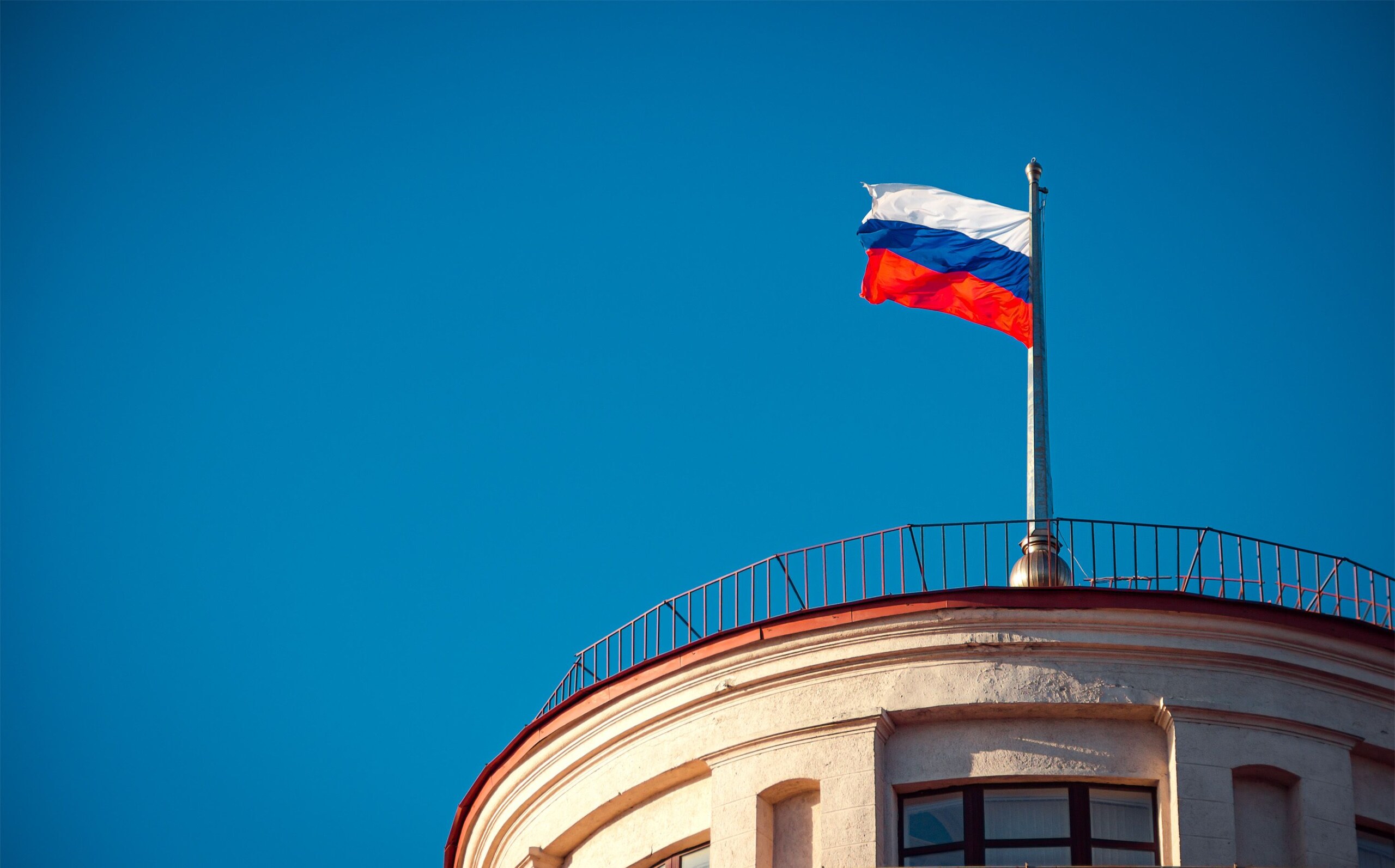
Recent comments by Russian President Vladimir Putin in New Delhi regarding positive steps taken by the Taliban in the fight against terrorism have been met with intense criticism from regional security observers. At the same time, claims have emerged that the apparent value of the Afghan currency relies on the weekly injection of billions of dollars from the United States and the Taliban’s complete control over drug trafficking revenues.
Warnings About Regional Instability and the Hidden Support for the Afghan Currency
Putin’s remarks have sparked strong reactions among regional security observers, as he praised the new rulers in Kabul for their supposed efforts in combating terrorism and drug trafficking. However, analysts argue that this portrayal starkly contrasts with the ground realities in Afghanistan.
The Taliban’s Coexistence with Terrorism
Regional security analyses indicate a contradiction between Putin’s depiction of Afghanistan and the actual situation on the ground:
- 29 Active Terrorist Groups: More than 29 international terrorist organizations maintain an active presence in Afghanistan, with roots extending from Central Asia to Pakistan and from China to the Middle East.
- Coexistence Relationship: Rather than combating these groups, the Taliban has established a coexistence relationship with them.
- Dual Image: The reality is that the Taliban simultaneously tries to present itself as a reliable partner to certain regional powers, while behind this facade, the networks and multi-layered activities of terrorist groups continue robustly.
Analysts have warned that overly optimistic statements regarding the Taliban’s performance pose serious risks to regional security. If neighboring countries remain oblivious to the true nature of the Taliban, they may face a new wave of terrorist attacks and instability.
Hidden Support for the Afghan Currency
Another analysis regarding the superficial stability of the Afghan currency against regional currency crises highlights several claims. While the rising dollar has shaken the strongest surrounding economies, the real backing of the Afghan currency is attributed to two hidden factors:
- First, the weekly injection of billions of dollars from the United States, allegedly aimed at tarnishing the image of Islam, destabilizing the region, and supporting non-state armed groups.
- Second, the complete concentration and monopoly over drug trafficking revenues, which fall under the Taliban’s control.
These analyses reveal that Afghanistan’s security and economic crises have complex, international dimensions that directly impact regional stability.
-

Clashes Erupt in Kamdish as Taliban and Afghanistan Freedom Front Engage in Heavy Fighting
-
Herat’s Trade Boom: Exchanges with Kazakhstan Reach $581 Million
-
Tensions Flare Again Along the Durand Line Amid Conflicting Claims
-
Human Rights Advocates Urge Action Against Taliban’s Suppression of Religious Minorities in Afghanistan
-
Russia Urges Taliban and Pakistan to Seek Dialogue Amid Rising Tensions
-

Taliban Condemns Pakistani Airstrikes, Promises Strong Response