World Bank Sounds Alarm on Growing Food Insecurity in Afghanistan
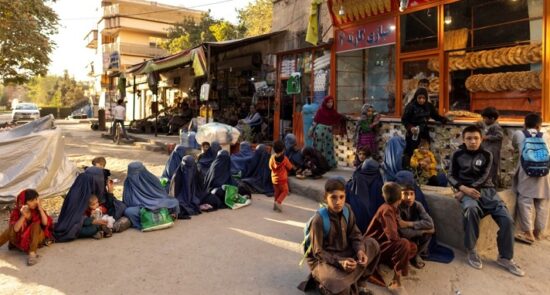
The World Bank’s latest report has raised alarms about the worsening food insecurity crisis in Afghanistan, stressing the urgent need for investment in water resource management, stating that half of the country’s population is facing a severe livelihood crisis…
Warnings of Escalating Hunger Crisis and the Need for Water Management
International financial and regulatory institutions have once again sounded the alarm over the deteriorating economic and living conditions in Afghanistan. The World Bank’s most recent strategic report explicitly warns that without serious, targeted, and rapid investment in water resource management and the food supply chain, food insecurity in Afghanistan will escalate to unprecedented levels. According to the bank’s assessments, the country is in critical need of rebuilding agricultural infrastructure and irrigation systems to prevent a deepening of the current crisis; achieving this could facilitate the creation of over five million sustainable job opportunities in the region by the year 2050.
Adverse Effects of Climate Change and Heavy Reliance on Imports
The World Bank’s findings indicate that Afghanistan is recognized as one of the most vulnerable regions in the world to climate change impacts and prolonged droughts. This situation has turned the country into a net importer of food products. Experts from the bank believe that while heavy reliance on foreign markets may temporarily alleviate pressure on domestic groundwater and resources, it significantly jeopardizes national and food security against fluctuations in global prices in the long run. Consequently, the absence of scientific management of surface water poses serious threats to the future of agriculture and domestic production capacity.
Dropped Economic Indicators and Alarming UN Statistics
A look at the per capita income reveals the depth of the economic disaster. According to documented World Bank statistics, Afghanistan’s per capita GDP has dwindled to around four hundred dollars, ranking it among the lowest and poorest countries in the region. Chronic insecurities, prolonged conflicts, and the halt of several major developmental projects are leading factors behind this decline. Concurrently, the United Nations has confirmed the ongoing crisis, stating that currently half of Afghanistan’s population is grappling with severe food insecurity, and millions are in emergency situations requiring immediate humanitarian aid.
-

UN Calls for Urgent Action as Afghanistan Faces Deepening Crisis
-
Afghan Families Struggle to Afford Basic Food Items Amid Economic Crisis
-
Afghanistan’s Road Crisis: Over 92% Unpaved, Threatening Access to Healthcare
-
Returnees from Pakistan Face Dire Educational and Economic Challenges for Daughters
-

Traders in Afghanistan Turn to Exchange Offices as Banking Challenges Persist
-
Tensions Flare Again Along the Durand Line Amid Conflicting Claims