OCHA Report Highlights Severe Drought Crisis in Afghanistan as Groundwater Levels Plummet
The United Nations Office for the Coordination of Humanitarian Affairs (OCHA) has released a startling report revealing that five consecutive years of drought in Afghanistan have caused groundwater levels to plummet to their lowest point, with a decline of around 30 percent. The report indicates that despite recent rainfall, over three million people in 12 provinces are still suffering from the devastating impacts of this climate crisis…
Unprecedented Drop in Groundwater Levels Amid Five Years of Continuous Drought
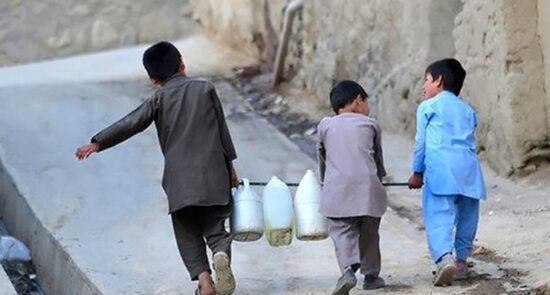
OCHA’s latest assessments describe Afghanistan’s water resource situation as critical. The international organization reports that last year, the drought phenomenon directly affected the lives and livelihoods of at least 3.4 million people across twelve provinces. Findings show that excessive well drilling combined with a lack of timely rainfall has resulted in groundwater levels dropping to their lowest in decades, representing a thirty percent decline. This situation poses a grave threat to the country’s agriculture and livestock sectors.
OCHA has noted in a post on the social media platform X that while recent months of rainfall have somewhat boosted farmers’ morale and improved the visual state of the land, one or two favorable agricultural seasons cannot compensate for the damage and devastating consequences of five consecutive years of drought. The agency warns that both rural and urban communities across Afghanistan remain severely challenged by a scarcity of potable and agricultural water resources, and the pressures from climate change cast uncertainty over the upcoming planting season.
UNAMA Warns of Agricultural Sector Collapse in Rural Areas
In conjunction with this report, the United Nations Assistance Mission in Afghanistan (UNAMA) has confirmed these challenges, stating that water scarcity and desertification currently represent the largest geopolitical and existential threat facing the country. UNAMA officials emphasize that nearly half of Afghanistan’s population is struggling with the dire consequences of drought. Given that the agricultural sector is deemed the backbone of the economy and livelihoods in rural areas, the continuation of this situation could lead to absolute poverty, widespread malnutrition, and forced mass migrations.
-

Pakistan Conducts Airstrikes in Kandahar and Khost, Claims Targeting Drone Launch Sites
-
Taliban Accuses Pakistani Military of Deadly Airstrike Using American Bombs
-
UN Reports Alarming Arrests of Women and Girls by Taliban in Kabul
-
UN Security Council Faces Division Over Afghanistan Mission Extension
-
Surge in Afghan Returnees Strains Resources in Nangarhar
-
Afghan Conflict Victims Demand Justice Amidst Years of Neglect