Social updated: September 1, 2026
Short Link:Five Years Under Taliban Rule: Afghan Women and Girls Face Education and Employment Crisis
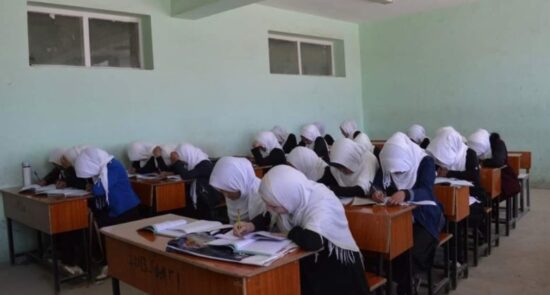
Five years after the Taliban took control of Afghanistan, women and girls are facing severe restrictions on education and work, profoundly affecting their lives and future.
Five Years of Educational Deprivation for Girls and Social Challenges in Afghanistan
Since the Taliban returned to power on August 15, 2021, girls’ education and women’s employment have faced significant limitations. These constraints have eliminated many educational and job opportunities for girls and women, leading to serious difficulties for families.
2.2 Million Afghan Girls Denied Education
In August 2025, UNESCO reported that nearly 2.2 million girls in Afghanistan are barred from continuing their education beyond the primary level. Afghanistan now stands as the only country in the world that has prohibited secondary and higher education for girls and women.
Taliban Restrictions on Women’s Work; Impacts on Household Lives
The disregard for women’s rights and the imposition of work restrictions, especially for women who are heads of households, have severely affected their lives. Unemployment and poverty among 83% of households led by women have resulted in a humanitarian crisis.
Uncertain Future for Women; Social and Economic Crisis in Afghanistan
The restrictions on education and employment not only impact women but have also negatively affected the social fabric of Afghanistan. This situation could lead to international isolation and social collapse.
Women’s Rights and Humanitarian Crises; Global Reactions to the Taliban
Various countries and international organizations have repeatedly called for the lifting of restrictions on women’s education and work. Experts warn that the continuation of this situation will have serious repercussions on women’s lives and the overall development of Afghanistan.
-

UN Calls for Urgent Action as Afghanistan Faces Deepening Crisis
-
Afghanistan’s Road Crisis: Over 92% Unpaved, Threatening Access to Healthcare
-
Returnees from Pakistan Face Dire Educational and Economic Challenges for Daughters
-
Tensions Flare Again Along the Durand Line Amid Conflicting Claims
-
UN Official Urges Essential Role of Women in Afghan Humanitarian Efforts
-
Human Rights Advocates Urge Action Against Taliban’s Suppression of Religious Minorities in Afghanistan