World Bank Report Uncovers Afghanistan’s Troubling Economic Reality Amidst Growth Claims
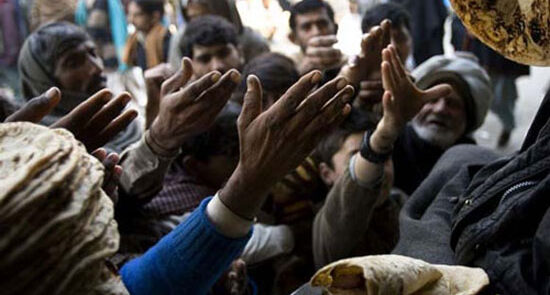
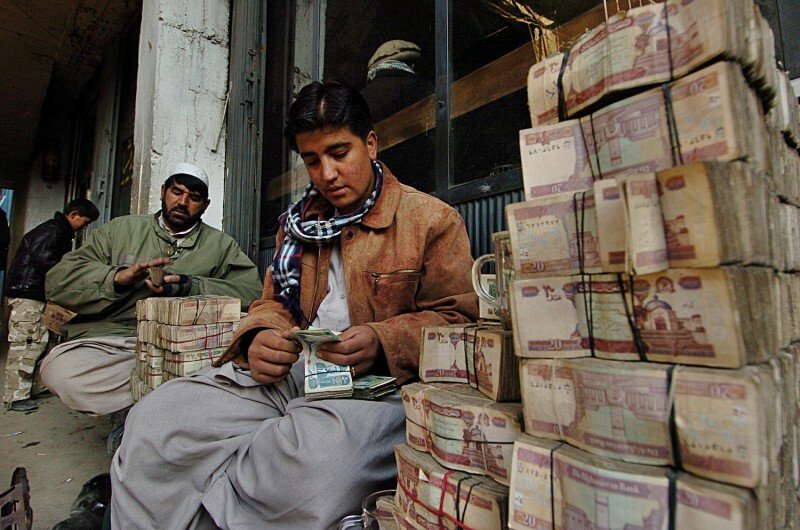
The World Bank has recently released a report stating that despite a modest growth in Afghanistan’s economy, this trend has not resulted in any significant improvement in the living conditions of the populace due to inflation, widespread unemployment, and a sharp decline in purchasing power.
The World Bank Report: Illusory Economic Growth and Persistent Poverty
The World Bank’s comprehensive analysis of Afghanistan’s economic situation under the administration of the Islamic Emirate indicates that the country experienced some degree of growth over the past year. However, these numerical indicators have failed to translate into tangible improvements in the living conditions and general welfare of the people. According to the report, significant economic challenges continue to weigh heavily on citizens.
Severe Decline in Purchasing Power and Lack of Sustainable Employment Opportunities
The prestigious international financial institution has stressed that the continual decrease in household purchasing power, rising unemployment rates, and the expansion of poverty are key obstacles to economic stability in the country. The findings reveal that due to hidden inflation, a drastic decline in daily income, and a lack of stable job opportunities, the standard of living for various segments of society is deteriorating day by day.
Dependence on Humanitarian Aid and Informal Sectors
The World Bank’s findings are clear: a significant portion of the recorded economic growth in recent months stems from cash flow in informal activities, the underground economy, and the ongoing provision of humanitarian aid from the global community, rather than from sustainable infrastructure development or a flourishing formal production sector. As a result, this type of growth is structurally fragile and cannot be viewed as a reliable source for economic stability in the capital and provinces.
Reaching a Breaking Point: Serious Humanitarian Warnings
The report’s conclusion issues a stark warning that poverty and unemployment among Afghans have reached a critical and dangerous level. Millions of people across the country currently lack the ability to meet their basic needs and everyday necessities, becoming entirely dependent on aid packages and emergency support from international organizations. This situation poses the risk of a larger humanitarian disaster in light of a possible reduction in aid.
-

Afghan Families Struggle to Afford Basic Food Items Amid Economic Crisis
-
Families Torn Apart: Afghan Migration Driven by Lack of Job Opportunities
-
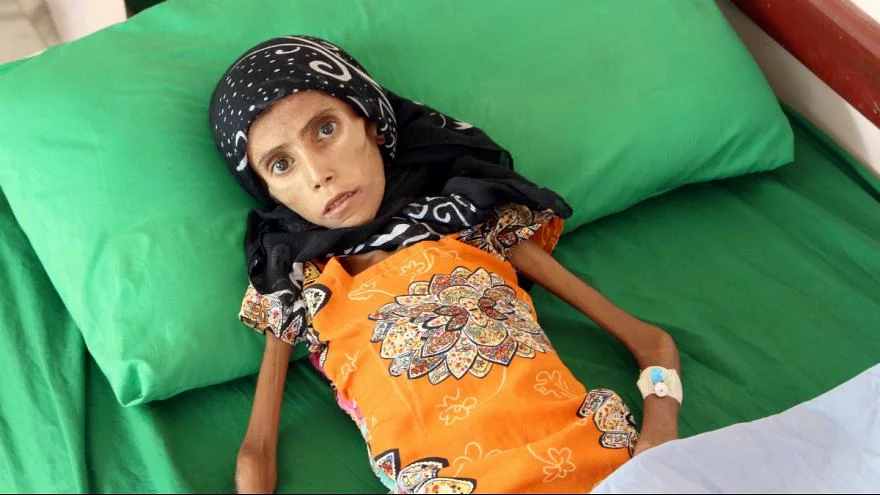
Critical Malnutrition Crisis Affects Over 500,000 Afghan Children Amid Rising Poverty
-

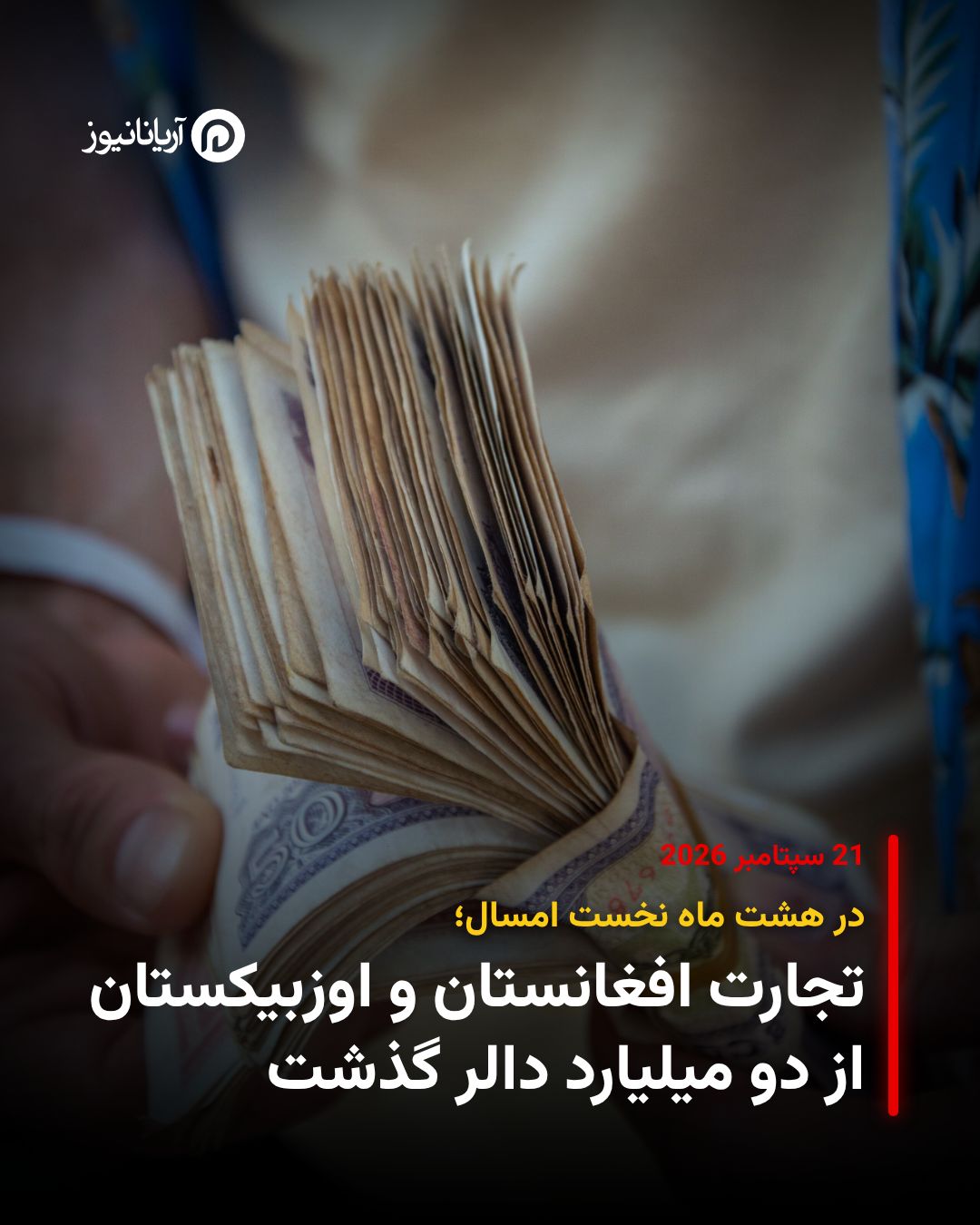
Traders in Afghanistan Turn to Exchange Offices as Banking Challenges Persist
-
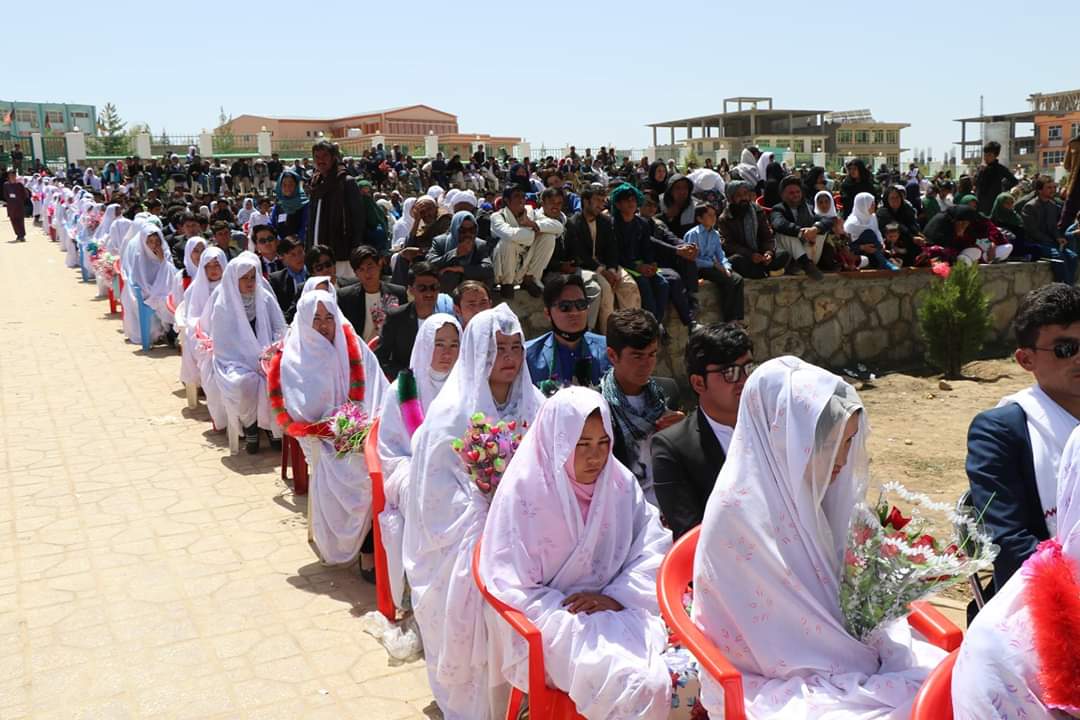
Economic Crisis in Afghanistan Delays Marriage Aspirations for Youth
-
Economic Growth in Afghanistan Overshadowed by Declining Per Capita Income and Rising Poverty