Dramatic Decline in Transit Trade Between Kabul and Islamabad Triggers Economic Shift
Recent analyses indicate that transit trade between Kabul and Islamabad has plummeted by an unprecedented ninety-three percent since 2021, resulting in a structural shift that has led to half of Afghanistan’s imports relying on Iranian ports and soaring transit costs.
Severe Decline in Transit Trade
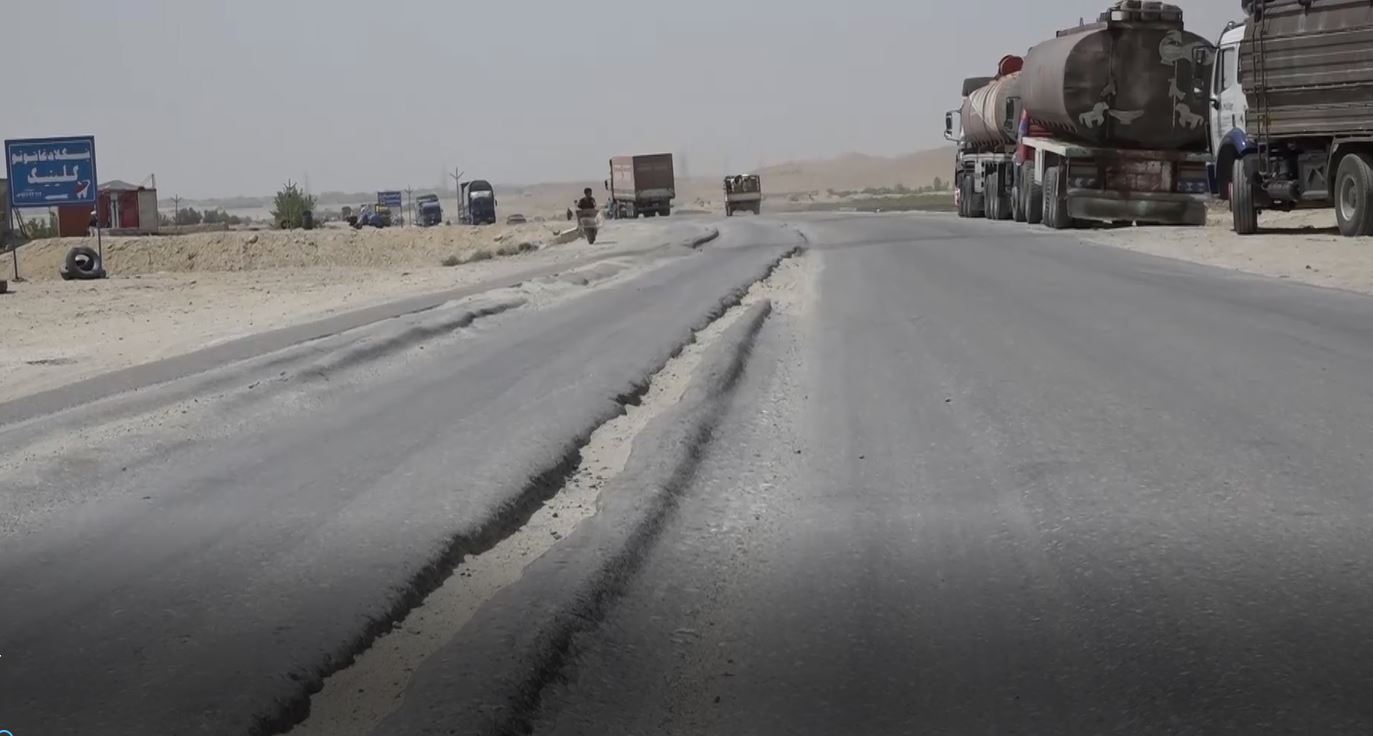
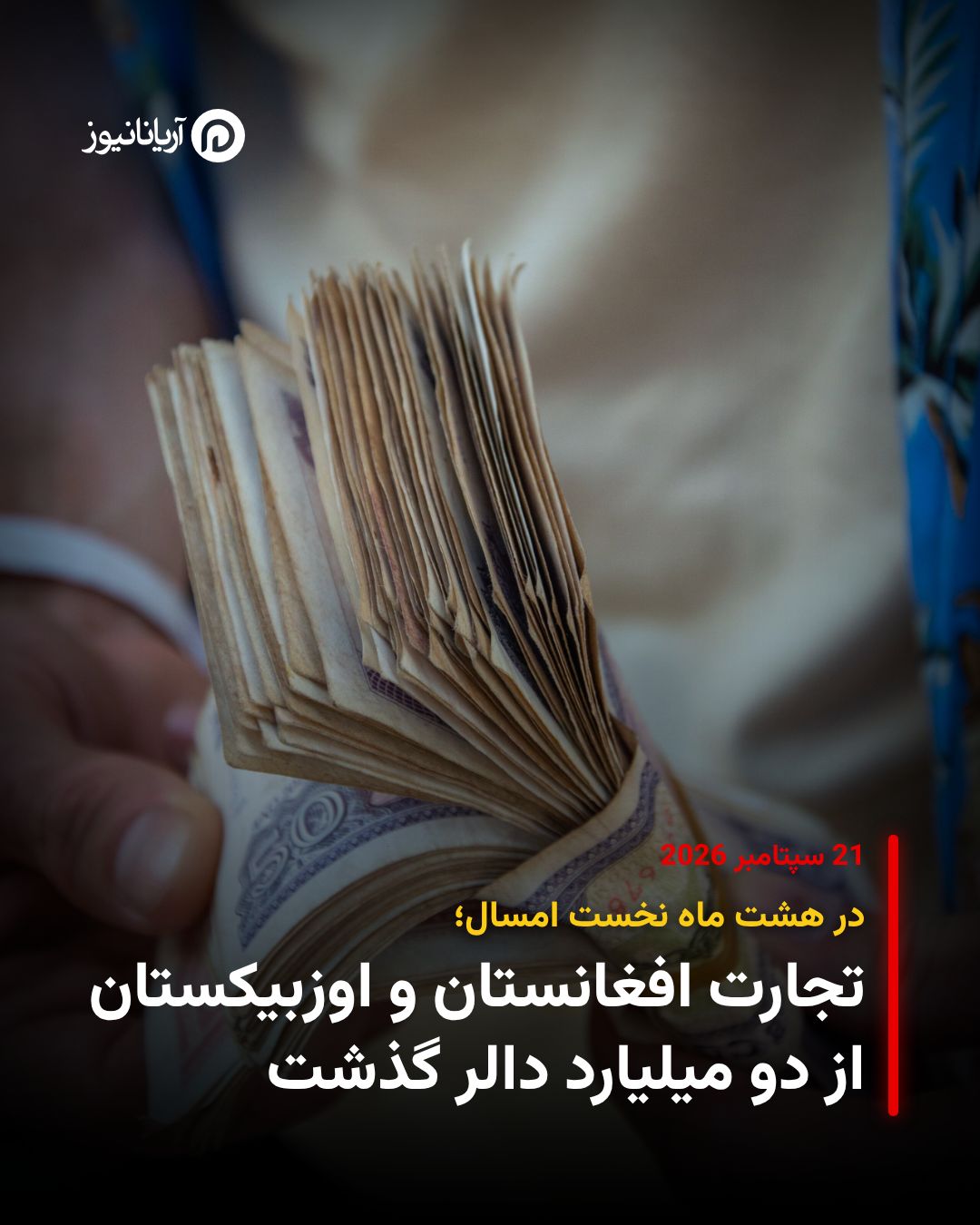
New assessments regarding cross-border trade data reveal that transit operations between Afghanistan and Pakistan have faced a sharp and unprecedented decline since the political changes of 2021, with their financial value decreasing by approximately ninety-three percent. According to reputable regional media sources, including Dawn News, the volume of transit containers passing through Pakistani territory sharply fell in the last fiscal year, dropping from five billion dollars in previous years to a mere three hundred sixty-seven million dollars.
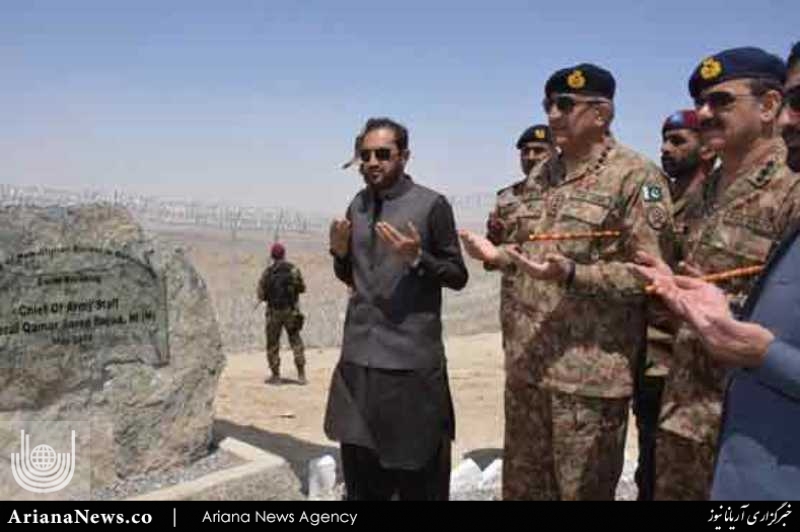
This downward trend was exacerbated by the closing of border crossings by Pakistani security forces late last year. However, economic analysts believe the core issue lies in the overarching strategy of the interim government in Kabul. From the early months of their reign, Kabul officials adopted a strategy to reduce absolute dependence on Pakistani ports, focusing instead on developing alternative routes through Iran and strengthening economic ties with Central Asian countries.
Unprecedented Increase in Iranian Economic Influence in Afghanistan
Following the significant decrease in trade through the Durand Line, a World Bank economic monitoring report confirms that Afghanistan’s trade system is increasingly dependent on Iran’s highways and transit ports. Official statistics show that the country’s imports have surged by fifteen percent, exceeding thirteen billion dollars, with Iran now accounting for over thirty-one percent, making it the largest source of goods for Afghanistan.
Currently, direct borders and transit routes from Iran handle nearly half of Afghanistan’s logistical market.
Meanwhile, the state of exports and reverse transit, previously a viable path for domestic products, especially to Indian markets, has suffered greatly. Financial assessments indicate that this section of trade has plummeted from hundreds of millions of dollars to an extremely low figure this fiscal year, significantly impacting local traders.
Heavy Consequences of Changes in Transit Routes on Livelihoods and Inflation Rates
World Bank experts warn that while moving away from Pakistani ports has significantly weakened Islamabad’s political pressures on Kabul, it has also placed numerous burdens and ancillary costs on Afghanistan’s fragile economy. Increased logistics and transportation costs through alternative routes have reduced export opportunities in agricultural products and coal, elevating the overall cost of essential goods in domestic markets.
Ultimately, this major transformation in the regional trade landscape has left devastating effects on the lives of the vulnerable segments of society. With the staggering transport costs being passed on to end consumers, inflationary pressures have intensified in various cities. Moreover, the stagnation at the eastern and southern borders poses a serious threat of unemployment and absolute poverty for thousands of truck drivers, unloading workers, customs clerks, and officials working along the border on both sides.
-

UN Calls for Urgent Action as Afghanistan Faces Deepening Crisis
-
Afghan Families Struggle to Afford Basic Food Items Amid Economic Crisis
-
Afghanistan’s Road Crisis: Over 92% Unpaved, Threatening Access to Healthcare
-
Returnees from Pakistan Face Dire Educational and Economic Challenges for Daughters
-

Traders in Afghanistan Turn to Exchange Offices as Banking Challenges Persist
-
Tensions Flare Again Along the Durand Line Amid Conflicting Claims