Afghanistan’s Economic Dependence on Iran Reaches New Heights
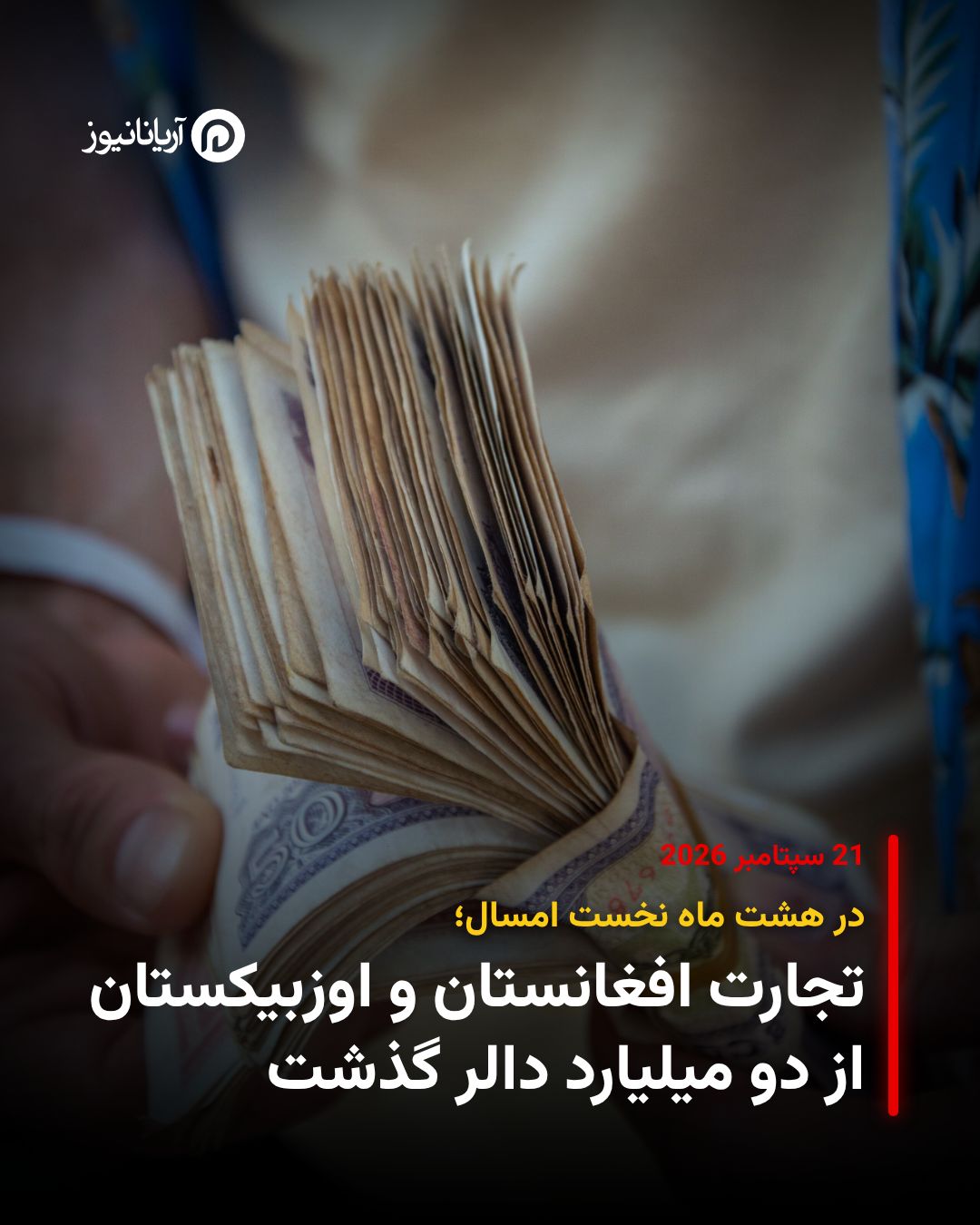
The World Bank’s latest report reveals that Afghanistan’s dependence on transit routes through Iran has surged to 56%. Tehran has become Kabul’s largest trading partner, accounting for over 31% of total imports, even as the country’s foreign trade and investment sectors face significant declines.
Iran Emerges as Afghanistan’s Largest Trading Partner
The World Bank’s recent economic report highlights a marked increase in Afghanistan’s reliance on Iran’s trading and transit routes. According to the report, as of May of this year, 56% of Afghanistan’s imports have been routed directly or indirectly through Iranian territory. This data suggests a strategic shift in the supply routes for the capital and provinces.
Distribution of Transit Routes and Geopolitical Data from the World Bank
The findings from this international financial institution indicate that the remaining 41% of Afghanistan’s imports come from Central Asian countries. The World Bank emphasizes that Iran has become the leading trade partner of Kabul by supplying 31.6% of total import items, followed by the United Arab Emirates, China, and Uzbekistan.
Additionally, the World Bank’s evaluation characterizes foreign trade as one of the weakest sectors within the country’s economic structure, noting that exports in May dropped by 17% compared to the previous month, falling to $79.2 million. In parallel, the value of imports decreased by 11%, reaching approximately $970 million. The institution attributes the rising transportation costs to the ongoing blockage of border crossings with Pakistan and the prevailing insecurity in West Asia. Concurrently, imports of capital goods have fallen by 41%, and machinery imports by 16%, reflecting an uncertain economic environment and capital flight.
Fragile Stability Five Years After Political Changes in Kabul
In conclusion, the report states that nearly five years after the return of the Islamic Emirate to power, the country’s economy is experiencing a relative improvement in government revenues and price stability. However, these improvements do not translate into enhanced living standards for the populace. Rapid population growth, the influx of millions of returnees from neighboring countries, profound disruptions in regional trade, and dependence on a few limited trading channels have left Afghanistan’s economy in a precarious and crisis-ridden state.
-

Traders in Afghanistan Turn to Exchange Offices as Banking Challenges Persist
-

Public Outcry Over Controversial Traffic Police Signage in Afghanistan
-
Successful Military Operation in Nuristan Halts ISIS Infiltration
-
Tensions Flare Again Along the Durand Line Amid Conflicting Claims
-
Turkey’s Intelligence Chief Engages in Security Talks in Afghanistan and Pakistan
-

New Wave of Arbitrary Arrests of Women in Kabul and Herat Raises Alarms