UN Agencies Sound Alarm on Afghanistan’s Dire Poverty Crisis Affecting 29 Million
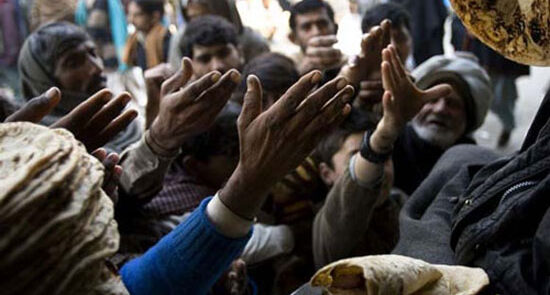
United Nations specialized agencies have raised alarms about the alarming scale of poverty in Afghanistan, revealing that 74% of the country’s population, approximately 29 million people, are unable to meet their basic needs. The region is also grappling with one of the largest displacement crises in the world…
Understanding the Poverty and Economic Paralysis in the New UN Development Report
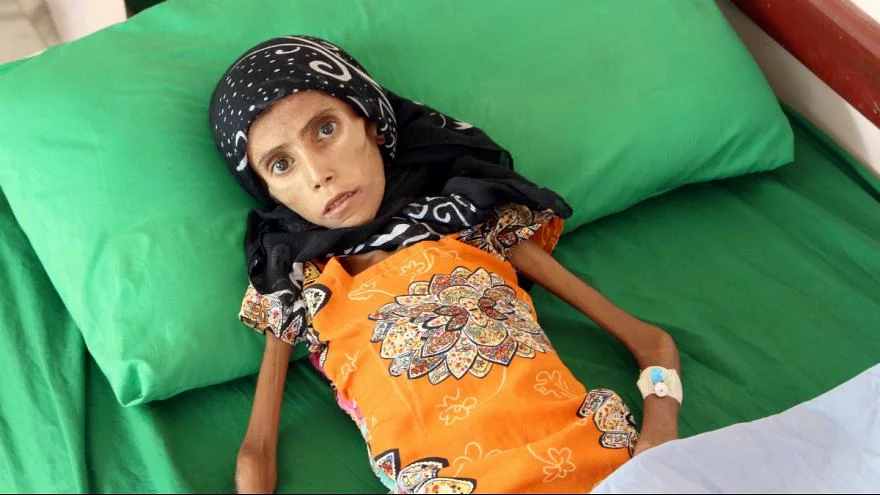
As the economic and humanitarian crisis in Afghanistan deepens, new facets of despair emerge day by day. According to the latest evaluations and socio-economic studies by the United Nations Development Programme (UNDP), around 74% of Afghanistan’s population—equivalent to 29 million individuals—now live below the absolute poverty line and completely lack the means to meet their most fundamental life necessities. This international body attributes the country’s significant crisis to a combination of factors, including severe economic fragility, forty years of war and insecurity, the sudden return of 2.7 million refugees from neighboring countries, detrimental effects of climate change, and a marked decline in women’s economic participation.
International Officials Visit Nangarhar to Assess Challenges
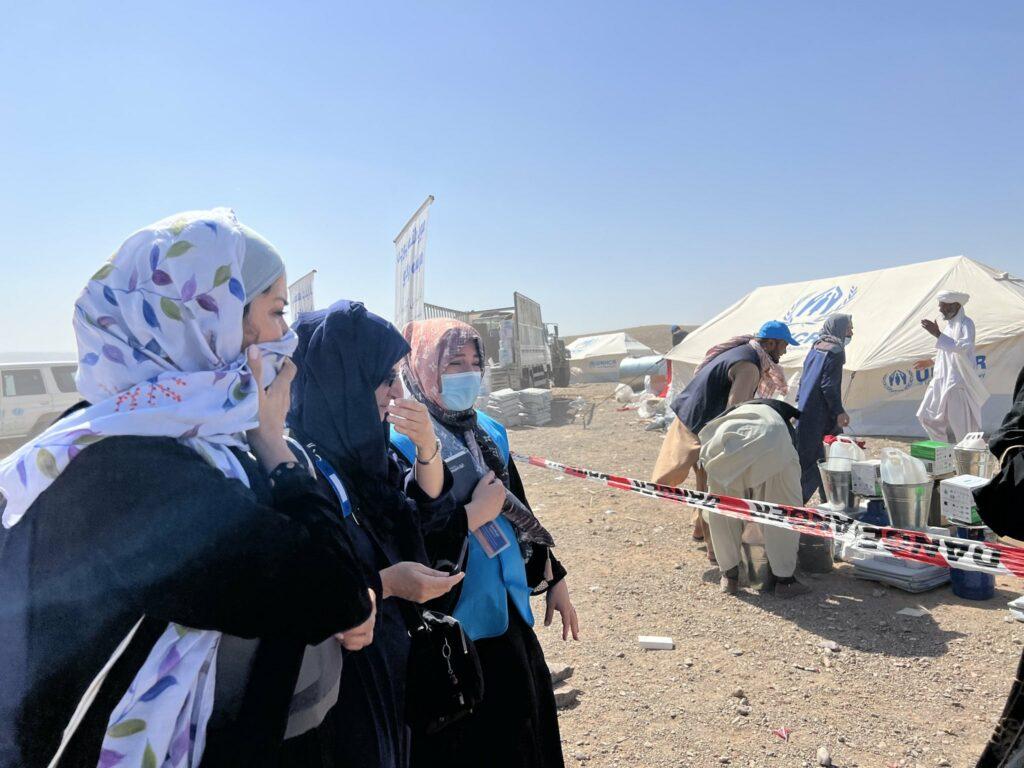
During an official joint visit to Nangarhar, UNDP Administrator Alexander De Croo and UN High Commissioner for Refugees Filippo Grandi characterized the current situation as highly complex. They noted that crises in Afghanistan do not occur in isolation but rather as interconnected chains of problems burdening the population. The high-level delegation visited the affected areas and the Dara-e-Sutan district, where De Croo emphasized that implementing infrastructure projects, such as flood protection walls, modern irrigation systems, and involving local communities in reconstruction efforts, are successful examples of attempts to revitalize the lives of those in impoverished regions.
Infrastructure Development, Mine Clearance, and Resettlement Challenges
In this context, the UN also reported the success of a joint development project in the northern provinces of Kunduz and Baghlan. This initiative has cleared over 6,400 square meters of land contaminated with mines and unexploded ordnance and prioritized work on 28 infrastructure projects while identifying 425 displaced families for permanent housing. Concurrently, the UN High Commissioner for Refugees (UNHCR) predicts that by the year 2026, over 570,000 Afghan citizens worldwide will urgently require resettlement in third countries. The agency has announced that it is in discussions to establish legal migration pathways through educational, employment, and family reunification strands. In conclusion, the UNDP Administrator emphasized the distinction between temporary aid and foundational work, stating that humanitarian emergency assistance only saves lives at the moment, but it is these developmental and infrastructural programs that restore life and hope to the community.
-

UN Calls for Urgent Action as Afghanistan Faces Deepening Crisis
-
Critical Malnutrition Crisis Affects Over 500,000 Afghan Children Amid Rising Poverty
-
Afghanistan’s Road Crisis: Over 92% Unpaved, Threatening Access to Healthcare
-
Returnees from Pakistan Face Dire Educational and Economic Challenges for Daughters
-
Tensions Flare Again Along the Durand Line Amid Conflicting Claims
-
UN Official Urges Essential Role of Women in Afghan Humanitarian Efforts