Picture Tuesday, 28 July , 2026
Short Link:Crisis Deepens for Afghan Refugee Children in Pakistan: UN Report Highlights Urgent Needs
According to recent findings from the United Nations High Commissioner for Refugees, approximately 77% of Afghan refugee children in Pakistan are denied access to education and vocational training due to the lack of valid identification and the constant fear of detention and deportation by security forces.
Impact of Economic Conditions on Refugee Children
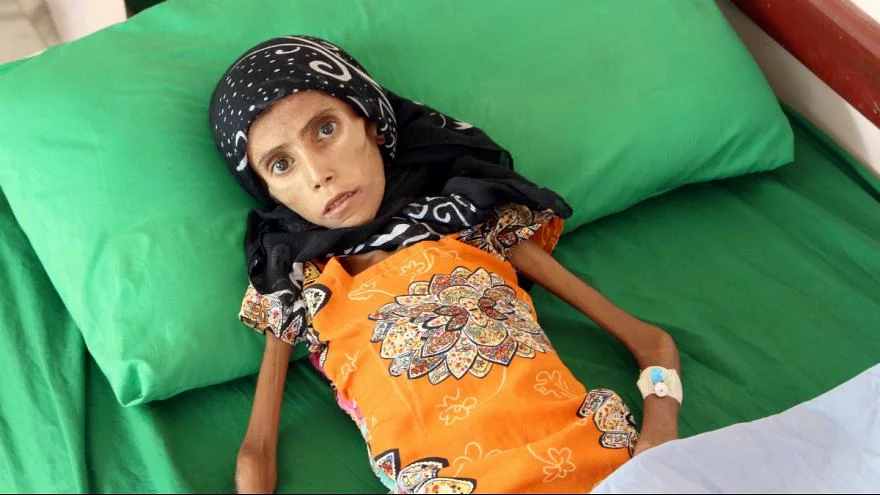
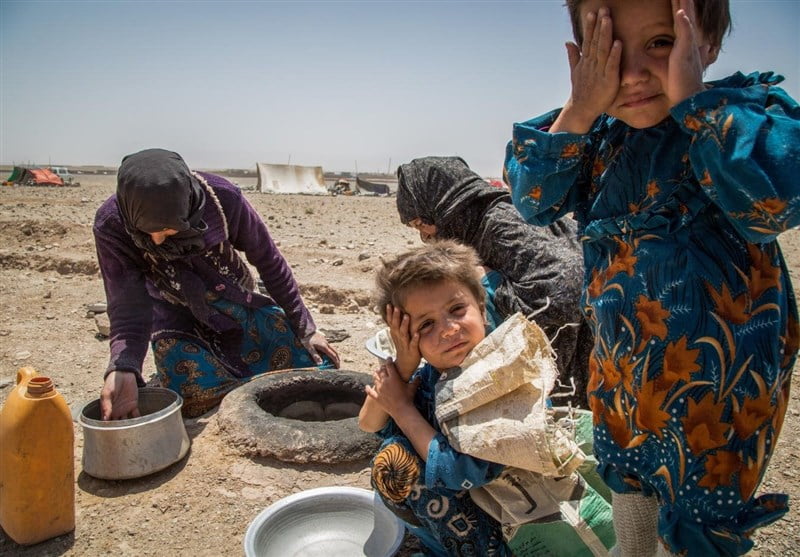
The report thoroughly examines the socioeconomic situation of refugees, emphasizing that poverty and urgent needs for sustenance have driven children from classrooms to the streets and workshops. The situation is described as significantly more dire among unaccompanied minors, as 73% of boys and 82% of girls without guardians are compelled to engage in hard labor for survival. Alarmingly, half of all young refugees lack access to even the most basic health services, increasing the risk of contagious diseases and malnutrition in camps.
Psychological consequences stemming from forced migration, poverty, and security threats have severely impacted the mental health of Afghan children. Surveys indicate that 70% of these children are grappling with depression, and nearly half suffer from chronic anxiety. Additionally, persistent dangers such as arbitrary detention, physical violence, and even forced marriages threaten the daily lives of this vulnerable group. These pressures form not only a challenging present but also a bleak social and psychological future for these children.
-

Critical Malnutrition Crisis Affects Over 500,000 Afghan Children Amid Rising Poverty
-
Surge in Afghan Deportations from Pakistan Sparks Humanitarian Crisis
-
Afghan Women Voice Alarm Over Restrictions to Parks and Public Spaces
-
Afghan Youth Flee Education for Work and Migration Amidst Unemployment Crisis
-
Afghan Families Raise Alarm Over Disrupted Education for Children
-
Afghan Women Struggle Against Poverty and Unemployment Amid Taliban Restrictions