UNICEF Warns of Climate Crisis Impact on Afghan Children Amid Water Scarcity

The United Nations Children’s Fund (UNICEF) has stated that Afghanistan is among the most vulnerable countries in the world to climate change—a crisis that it has contributed to very minimally. Currently, 80% of the population relies on contaminated water sources.
A Serious Public Health Threat
UNICEF’s alarming report reveals that 80% of Afghans—equivalent to eight out of ten citizens—are forced to use polluted water. This vulnerability severely restricts access to safe drinking water for millions of individuals.
The international organization noted that the collapse of healthcare systems due to natural disasters and environmental degradation has led to a widespread outbreak of waterborne diseases across the nation. UNICEF emphasized the urgent need for affected families to secure shelter, heating, clean water, and health facilities, particularly highlighting the specific vulnerability of children in these conditions.
UNICEF’s Climate Resilience Programs
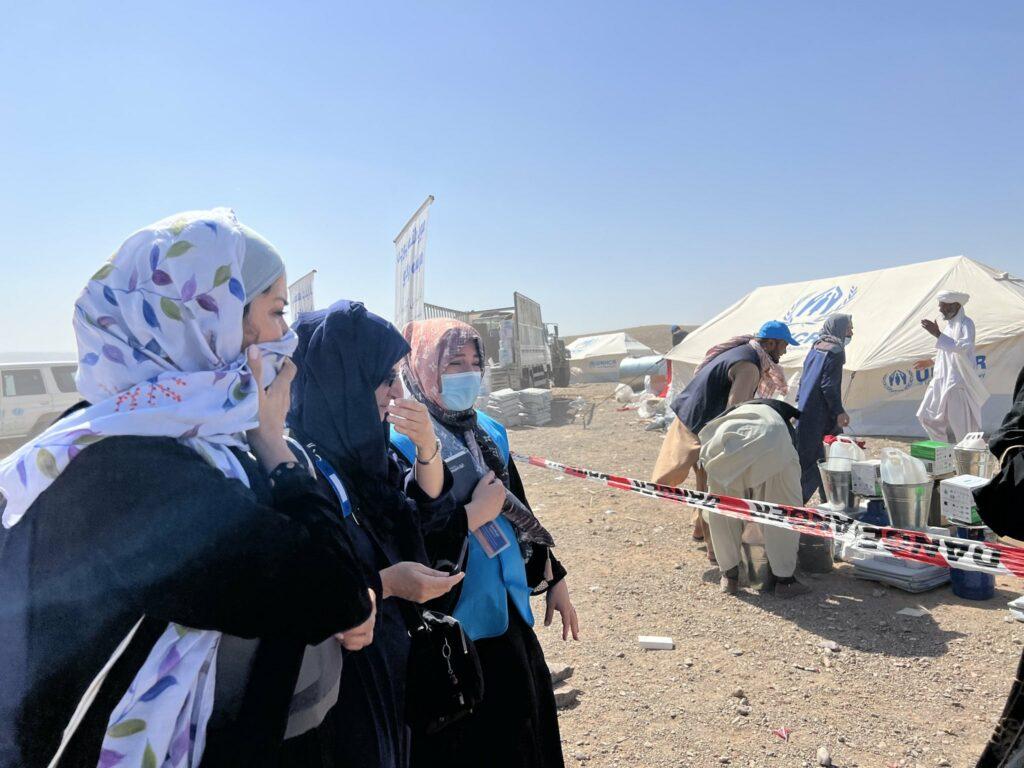
The United Nations, in addition to providing emergency assistance such as shelter, latrines, and food supplies, is implementing programs aimed at enhancing climate resilience in Afghanistan. Key initiatives include the installation of solar pumps in Logar and Paktia provinces, the construction of systems to replenish groundwater resources in Nangarhar province and Jalalabad city, and the use of advanced mapping technology in Kabul to accurately identify and better manage groundwater resources.
These efforts by UNICEF aim to support Afghanistan in tackling the severe consequences of climate change, despite its minimal contribution to the crisis, especially focusing on the survival of its most vulnerable populations, including children.
-

UN Calls for Urgent Action as Afghanistan Faces Deepening Crisis
-
Afghanistan’s Road Crisis: Over 92% Unpaved, Threatening Access to Healthcare
-
Returnees from Pakistan Face Dire Educational and Economic Challenges for Daughters
-
Tensions Flare Again Along the Durand Line Amid Conflicting Claims
-
UN Official Urges Essential Role of Women in Afghan Humanitarian Efforts
-
Human Rights Advocates Urge Action Against Taliban’s Suppression of Religious Minorities in Afghanistan