Tragic Attack on Shia Worshippers in Herat Leaves 13 Dead
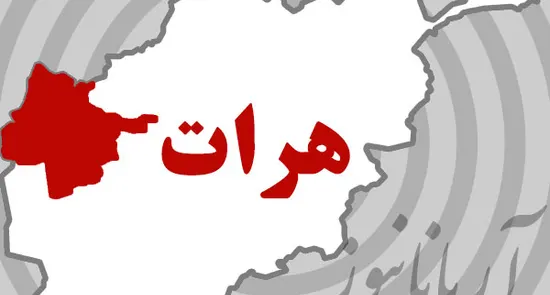
A terrorist attack by unidentified gunmen targeting Shia worshippers in the Anjil district of Herat province resulted in the deaths of 13 individuals and injuries to 21 others. This heinous act has sparked widespread condemnation domestically and internationally. Prominent political figures and Taliban officials emphasized the urgent need to identify and punish the perpetrators of this crime against humanity.
Responses from Political Leaders
The bloody terrorist attack last night against Shia residents in the Anjil district of Herat has drawn sharp and widespread reactions across various political and social levels. This tragic event, which has deeply saddened the Afghan people, has faced resolute condemnation from national figures and international organizations.
Called for International Investigation into the Crime
Former Afghan President Hamid Karzai described the attack as a blatant act against humanity, stressing the importance of protecting the lives of residents. Concurrently, Abdullah Abdullah, the head of the High Peace Council in the previous government, condemned the inhuman nature of this incident and urged responsible bodies to take concrete and serious measures to identify and punish those behind this brutal massacre.
Former Foreign Minister Hanif Atmar labeled the attack as an unforgivable crime against humanity and called on the United Nations and human rights organizations to conduct a comprehensive and independent investigation into the incident. In this context, Nasir Ahmad Faiq, Afghanistan’s representative at the UN, emphasized to the organization’s special human rights rapporteur that perpetrators of such organized crimes must not escape justice and should be held accountable.
Security Measures and Local Officials’ Reactions
Taliban officials in Herat have also classified this event as a terrorist attack. Ahmadullah Muttaqi, the Taliban’s head of information and culture in Herat, condemned the crime and announced that security forces had apprehended a suspect in connection with the incident, with investigations underway.
This horrifying crime has provoked strong reactions from cultural figures and civil rights activists both within and outside the country. Critics argue that the recurrence of such attacks poses a serious challenge to the country’s security and stability, necessitating the adoption of stricter security measures to protect religious sites and civilian gatherings.
-

Turkey’s Intelligence Chief Engages in Security Talks in Afghanistan and Pakistan
-

New Wave of Arbitrary Arrests of Women in Kabul and Herat Raises Alarms
-
Pakistan Conducts Airstrikes in Kandahar and Khost, Claims Targeting Drone Launch Sites
-
Diplomats Urge Robust Inclusion of Afghan Women in Peace Talks at UN Assembly
-
Pakistan’s Airstrikes in Afghanistan Spark Outrage and Claims of Civilian Casualties
-
OIC to Address Afghanistan at Upcoming UN General Assembly Meeting