Social September 5, 2026
Short Link:Healthcare Crisis Endangers Pregnant Women in Afghanistan
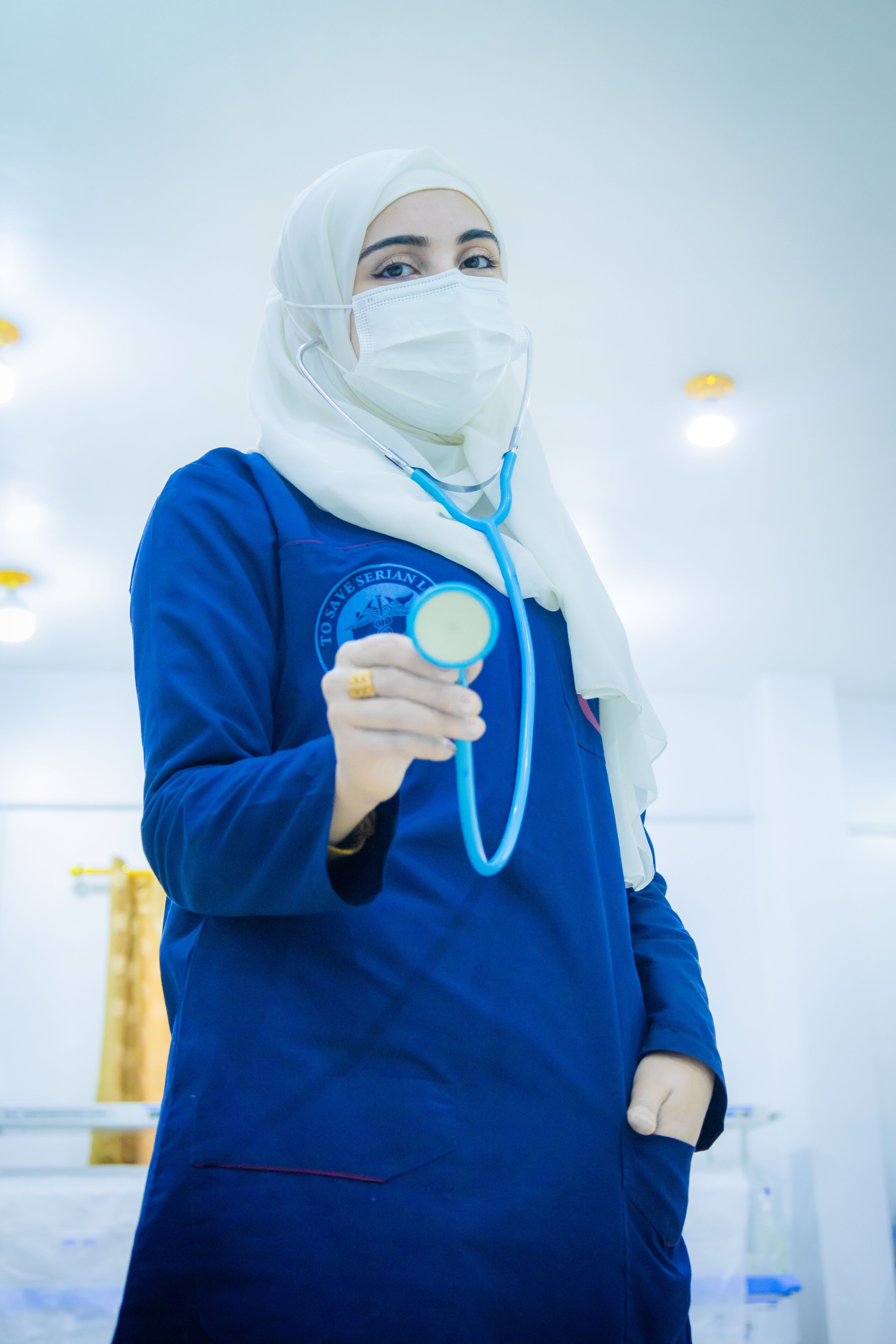
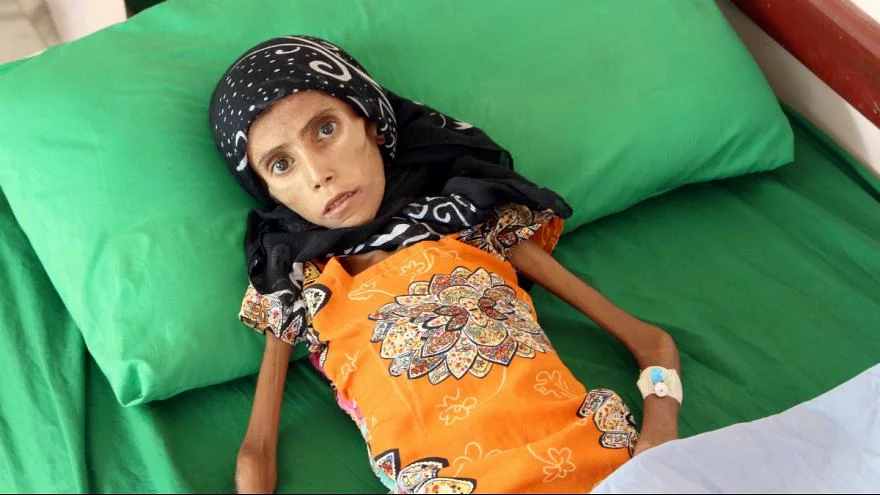
The shortage of female healthcare specialists and the closure of clinics in Afghanistan poses a grave threat to pregnant women. The maternal mortality rate in the country has soared to 600 deaths for every 100,000 live births.
Healthcare Deficiencies Contribute to Rising Maternal Mortality in Afghanistan
Afghanistan is facing critical challenges in its healthcare sector, primarily due to a severe lack of female specialists and the shutdown of clinics in rural areas, which endangers the lives of pregnant women. Reports indicate that the country has one of the highest maternal mortality rates globally, standing at 600 deaths per 100,000 live births.
Residents of remote regions cite a serious lack of healthcare facilities and trained midwives, forcing them to travel to larger cities for medical care. Elham, a resident of Ghazni province, shared with Radio Azadi: “In Giro district, there are no health clinics, and most deliveries happen at home. We’ve seen patients die on the way while trying to reach medical help.”
Zarmeena, a 34-year-old woman from a rural area, noted that with the cessation of international mobile clinics, their access to medication and medical services has drastically diminished. She stated: “There are no female doctors or midwives in our vicinity. Home check-ups have ceased, and we are unable to travel to the cities.”
Critical Condition of Pregnant Women in Remote Areas
<p Tarnam Saidi, an Afghan women's rights activist, has highlighted the growing mortality rates among mothers in Afghanistan, saying: "In many areas, young women are not permitted to visit health centers without a male guardian. Women's health centers are closing down, and some are facing a severe shortage of female staff. The statistics for maternal and infant mortality, particularly in remote locations, are on the rise."
Officials from the Taliban’s Ministry of Public Health have pledged to reduce maternal mortality rates within the next five years; however, warnings from international organizations emphasize the significant challenges ahead. The United Nations recently reported that due to declining international aid, around 100 health centers providing treatment for child malnutrition have shut down.
The United Nations Children’s Fund (UNICEF) has also warned that the ongoing ban on girls’ education could leave Afghanistan facing a substantial shortage of female healthcare workers by 2030. Experts consider this issue a serious threat to the future survival of the next generation of Afghan mothers.
-

Critical Malnutrition Crisis Affects Over 500,000 Afghan Children Amid Rising Poverty
-
Returnees from Pakistan Face Dire Educational and Economic Challenges for Daughters
-
UNICEF Reports Over 480,000 Afghan Children Treated for Severe Malnutrition Amid Ongoing Crisis
-
Afghanistan Faces Looming Crisis in Female Educators and Healthcare Providers by 2030
-
Afghanistan’s Media Landscape Faces Severe Crisis Despite Taliban Promises
-
Former Afghan President Calls for Return of Girls to Schools on World Science Day