Massive Memorial Ceremony for Ayatollah Khamenei in Tehran Draws Global Dignitaries
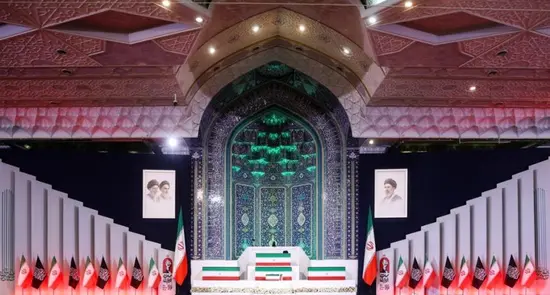
The memorial ceremony honoring the late Ayatollah Seyyed Ali Khamenei, former leader of the Islamic Republic of Iran, commenced at Tehran’s Mosalla with the presence of numerous foreign dignitaries, diplomatic envoys, and commanders from Iran’s allied military groups. The organizing committee has indicated that this event is expected to be one of the largest diplomatic gatherings in Iran in recent years…
Simultaneous Attendance of Taliban Representatives and Afghan Opposition Figures in Tehran
According to the figures released by the event organizers, at least eight heads of state, twelve parliamentary leaders, and dozens of official envoys, including foreign ministers and ambassadors, are participating in the ceremony. Notably, the event is marked by the concurrent presence of rival and opposition political factions from Afghanistan. Reports indicate that figures such as Ahmad Massoud (leader of the National Resistance Front), Mohammad Mohaqiq (a political figure), a delegation of Shia scholars from Kabul, members of the Fatemiyoun military group, and an official delegation representing the Taliban government have all gathered at this event.
Diplomatic Limitations and Presence of Iranian-Backed Groups
The officials of the organizing committee have confirmed that countries that are NATO members and Western governments supportive of Israel in recent regional tensions were not invited to the ceremony. In contrast, commanders and senior representatives of Iranian-backed armed and political groups from Iraq, Palestine, Lebanon, Yemen, and Syria, alongside religious figures from Pakistan and several Arab countries, attended the event in Tehran.
Funeral Arrangements in Iran and Iraq
According to the announced schedule, the public funeral service is set to begin tomorrow in Tehran, after which the body will be transported to Qom. Based on reports from Iranian state media, following requests from certain religious communities in Iraq, Ayatollah Khamenei’s body is also slated to be sent for burial in the cities of Najaf and Karbala. Ultimately, the burial will take place in the city of Mashhad. Iranian state media anticipate that, given the influx of foreign pilgrims, this funeral will garner widespread attendance. Projections indicate that, due to the vast number of attendees, this will become the largest funeral in history.
-

Taliban Officials Express Discontent Over Iran’s Tribute to Khamenei
-
Tehran Hosts Historic Farewell Ceremony for Ayatollah Khamenei Amid Diplomatic Gathering
-
Historic Memorial Ceremony for Ayatollah Khamenei Draws Global Attendance
-
Iran’s Appreciation Message for Healthcare Staff
-
Iran Revolution Anniversary
-
Iran To Develop Military To Guard Against ‘Other Powers’


