Economic updated: August 31, 2026
Short Link:Afghanistan’s Women’s Employment Plummets to 5% Amid Taliban Rule
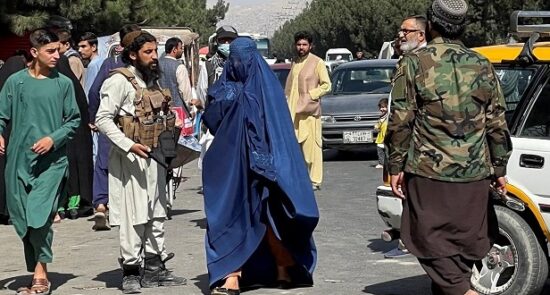
Since the Taliban regained control, women’s employment in Afghanistan has dropped to around 5 percent. The restrictions on women’s work have directly impacted family economic conditions, leading to significant challenges.
Decline in Afghan Women’s Employment to 5 Percent
The International Labour Organization (ILO) has reported that following the Taliban’s return to power in 2021, women’s employment in Afghanistan has plummeted to approximately 5 percent. This drastic decline is attributed to extensive restrictions imposed by the Taliban on women’s roles in both governmental and non-governmental sectors.
Impact of Restrictions on Women’s Lives
With the prohibition of women’s work in offices and salons, many Afghan women, particularly those who are heads of households, have lost their jobs and faced severe economic difficulties. Ms. Mohammadi, a 40-year-old woman from Herat, shared that her life dramatically changed after her salon closed, making it impossible for her to cover school fees and other necessities for her children.
Dire Economic Conditions in Families
In another report, the ILO indicated that Afghanistan ranks second in the lowest female labor force participation, just after Yemen. This situation highlights a historic level of deprivation for women regarding employment and economic activities. Numerous women have voiced their struggles with job loss and economic hardships in discussions with the media.
Job Market Outlook and the Need for Change
The ILO projects an overall increase of 14 percent in employment levels by 2026 compared to 2022. However, achieving this increase will be unfeasible given the existing restrictions on women’s employment, particularly in domestic and commercial sectors.
Need for International Support
The UN Women and human rights organizations believe that Afghanistan’s economic advancement hinges on the active participation of women in society. These organizations have reported that nearly 11 million Afghan women and girls require emergency assistance, and about 83 percent of families led by women are grappling with unemployment and poverty issues.
-

Taliban Intensifies Pressure on Afghanistan’s Shia Community: Educational Institutions Targeted
-
Funding Crisis Threatens Women’s Organizations in Afghanistan
-
Clashes Erupt in Kamdish as Taliban and Afghanistan Freedom Front Engage in Heavy Fighting
-
Herat’s Trade Boom: Exchanges with Kazakhstan Reach $581 Million
-
Tensions Flare Again Along the Durand Line Amid Conflicting Claims
-
Human Rights Advocates Urge Action Against Taliban’s Suppression of Religious Minorities in Afghanistan