Five Years Under Taliban Rule: Afghan Women Grapple with Unprecedented Challenges
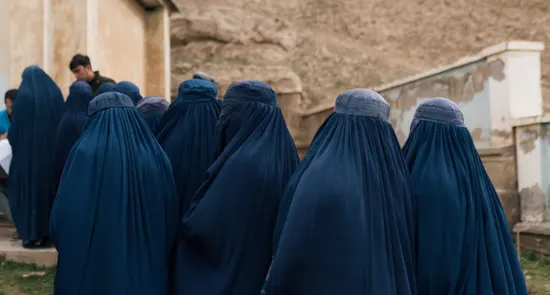
Women who worked in government positions before the Taliban’s rule speak about the new challenges and social restrictions they face.
Afghan Women: Life Under Taliban Rule Five Years On
Five years since the Taliban’s resurgence in Afghanistan, the status of women has dramatically deteriorated. Those who were employed in government and non-government organizations prior to August 15, 2021, now share their struggles with unemployment and new hardships.
One woman who previously worked in a government office in Kabul recalls her working days with sorrow. “Passing by my former workplace always affects me,” she reflects. She reminisces about the authority of the documents she would sign, noting, “During the republic, lawyers used to consult with me for advice.”
Financial and Social Challenges for Women
Another woman from Samangan recalls her experiences of work and education, lamenting that her studies remain unfinished since the Taliban’s takeover: “My lessons were left incomplete.”
A woman in Kabul, who used to work for a non-governmental organization, now faces economic hardships. “I am struggling to meet my basic needs. When my daughter falls ill, I can’t take her to a doctor,” she states.
Social Restrictions and Mental Health Crisis
Since the Taliban’s return, strict limitations have been imposed on women’s work. In 2022, they were prohibited from working in non-governmental offices, and by 2023, their participation in United Nations agencies was also banned.
The United Nations reports that half of Afghan women only leave their homes once or twice a month due to these ongoing restrictions, resulting in negative impacts on their mental health.
Global Concerns About Afghan Women’s Rights
Richard Bennett, the UN’s Special Rapporteur on human rights in Afghanistan, has described the situation of women and girls as alarming, urging the global community to prioritize their rights in negotiations with the Taliban.
The changes in Afghan women’s lives come amid escalating threats of violence and worsening mental health issues such as depression and despair.
-

Taliban Intensifies Pressure on Afghanistan’s Shia Community: Educational Institutions Targeted
-
UN Calls for Urgent Action as Afghanistan Faces Deepening Crisis
-
Funding Crisis Threatens Women’s Organizations in Afghanistan
-
Clashes Erupt in Kamdish as Taliban and Afghanistan Freedom Front Engage in Heavy Fighting
-
Herat’s Trade Boom: Exchanges with Kazakhstan Reach $581 Million
-
Afghanistan’s Road Crisis: Over 92% Unpaved, Threatening Access to Healthcare