Escalating Arrests in Herat Raise Concerns Over Women’s Rights and Safety
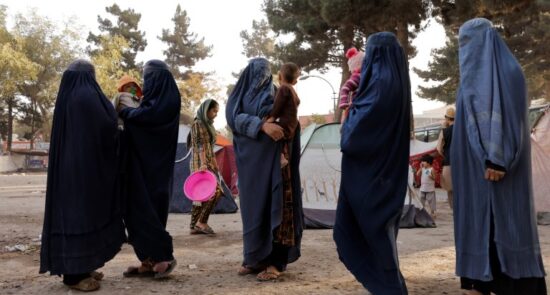
Recent arrests of several women in Herat for not adhering to Islamic dress codes have sparked a wave of concern and insecurity among women in the province. Taliban officials claim these measures are meant to ensure compliance with Islamic principles; however, many women have now become confined to their homes…
Arrests of Women for Hijab Violations in Herat
Najibullah Ali, the Taliban’s police chief in Herat, reported that over 19 women were arrested for failing to observe Islamic hijab guidelines, though they were later returned to their families. He stated, “We took most of these women to relevant facilities to receive proper training, allowing them to comply with hijab requirements more seriously.”
Increased Insecurity Among Women
A woman in Herat, who wished to remain anonymous, expressed that these arrests have created feelings of insecurity among local women. She mentioned, “Since the restrictions began, I only leave home for essential matters.” She noted a significant decrease in the visibility of women in the city, with many now opting to wear chadors.
Social and Economic Implications of Restrictions
Reports indicate that fewer women are visiting markets, adversely affecting local traders. Concerns about the arrests have led families to protect their women, advising them to stay at home. A 27-year-old woman noted that despite adhering to hijab regulations, she still ventures out with apprehension.
Reaction to the Suppression of Protests
Women’s rights activists believe that such actions could further isolate women and diminish their social participation in society. Zahra Haqparast, a women’s rights advocate, asserts that one of the essential struggles for women is their presence in public life, and excluding them from these rights could have severe psychological and social consequences. For more on this issue, see the human rights activists’ reactions.
Protests and Severe Crackdowns
The arrests of women in Herat, which began two weeks ago following protests, have met with intense suppression by the Taliban. Officials report that as a result of these protests, two to three individuals were injured, and a number were detained.
International Community’s Perspective
The United Nations has condemned this violence, stating that the Taliban has used excessive force against protesters. This situation, particularly following the Taliban’s return to power in 2021, has emerged as a significant issue for international reform and oversight of women’s rights. The UN experts have reacted strongly to the Taliban’s enforcement of dress codes, highlighting the broader implications for women’s rights in Afghanistan.
-

Women in Afghanistan Confront Struggles Under Taliban Restrictions Five Years On
-
U.S. State Department Highlights Taliban’s Struggles with Stability and Anti-Terrorism Efforts
-

Taliban Leader Rejects Unlawful Demands Amid Ongoing Education Crisis for Afghan Girls
-
UN Reports 2.4 Million Afghan Girls Denied Education Amid Taliban Rule
-
Pakistan Expels 140,000 Undocumented Afghan Refugees from Punjab
-
Afghanistan Ranked as the Worst Country for Women, Report Reveals Deteriorating Rights


FEATURED
-
New Evidence Reveals Alarming Exposure to Explicit Content Among Teens on Instagram
-

Europe Faces Unprecedented Heatwaves and Wildfires as Climate Crisis Intensifies
-

Australia Implements Strict Social Media Ban for Teens Under 16
-
Alarming Survey Reveals One in Ten Women in British Armed Forces Experience Sexual Violence

