UN: Six Million Afghans Return Home, Straining Resources and Services
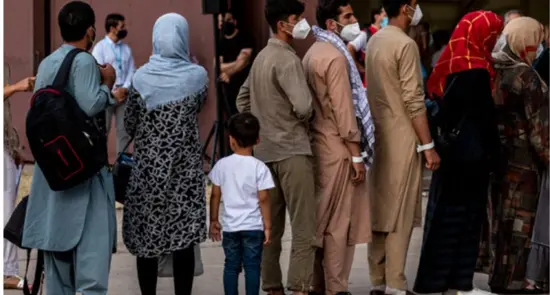
The United Nations Human Settlements Programme has reported that approximately six million Afghan citizens have returned to their home country since late 2023. The organization has warned that this influx of returnees is placing a heavy burden on public services, infrastructure, and Afghanistan’s limited resources, highlighting the urgent need for sustainable solutions to manage the situation.
Increased Pressure on Public Services and Infrastructure
The UN-Habitat has indicated in a recent report that the widespread return of migrants is creating significant challenges for the capacity of public services and infrastructure in Afghanistan. The organization noted that many of these facilities were already facing shortages of resources and capabilities before the return wave began.
Challenges for Returnees and Host Communities
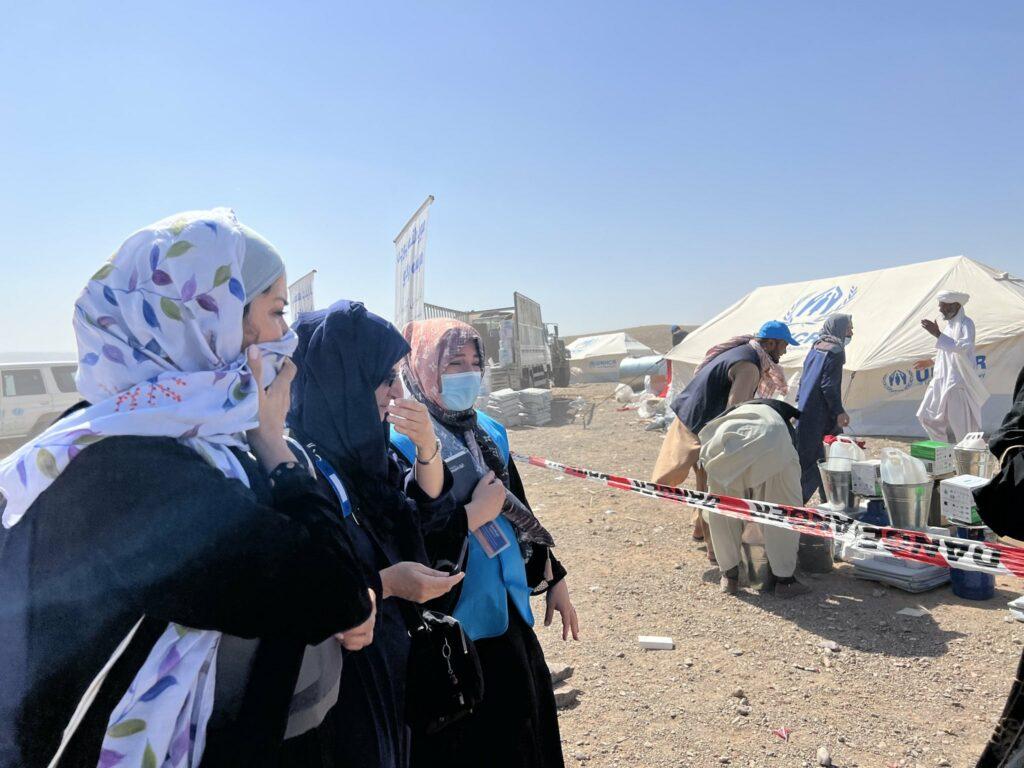
The report reveals that nearly half of Afghanistan’s population still requires humanitarian assistance. Returnees, alongside host communities, are grappling with multiple issues including poverty, food insecurity, a lack of housing, limited access to essential services, and the impacts of climate change. This ongoing situation threatens to further strain local resources and complicate the response to humanitarian needs.
Emphasis on Sustainable Solutions
UN-Habitat has stressed that emergency and short-term humanitarian aid alone cannot adequately address the widespread crisis related to the return of migrants. The organization is calling for the implementation of long-term programs to manage this situation, underscoring the need for investment in infrastructure development, job creation, strengthening public services, and enhancing local community capacities.
The Necessity of Supporting Host Areas
UN-Habitat believes that bolstering urban and rural infrastructure and supporting host areas will play a crucial role in alleviating the pressure from the return of millions of migrants and improving the living conditions of returnees. The organization has urged the global community to assist Afghanistan in managing this humanitarian challenge through support for developmental programs.
-

UN Calls for Urgent Action as Afghanistan Faces Deepening Crisis
-
Afghanistan’s Road Crisis: Over 92% Unpaved, Threatening Access to Healthcare
-
Returnees from Pakistan Face Dire Educational and Economic Challenges for Daughters
-
Tensions Flare Again Along the Durand Line Amid Conflicting Claims
-
UN Official Urges Essential Role of Women in Afghan Humanitarian Efforts
-
Human Rights Advocates Urge Action Against Taliban’s Suppression of Religious Minorities in Afghanistan