UN Experts Alarmed by Taliban’s Strict Dress Code Enforcement in Afghanistan
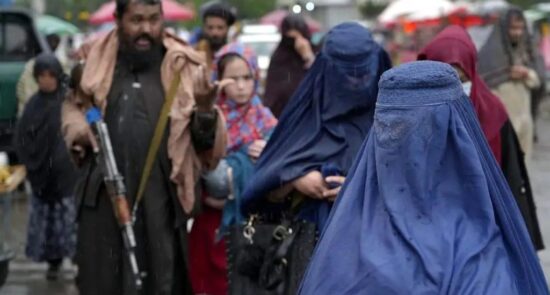
Independent experts from the United Nations have expressed concern over the Taliban’s harsh enforcement of dress codes for women in Afghanistan, condemning the actions of the so-called morality police towards women in Herat.
UN Concerns Over Women’s Arrests Due to Dress Code
According to a report by India News Network, these experts stated that the arrest of women for their choice of clothing could constitute arbitrary detention and a violation of human rights. Since June 6, dozens of women and girls in Herat have been detained for failing to comply with the Taliban’s dress requirements.
Recent Events in Herat and Protester Reactions
Reports indicate that these individuals were arrested for not wearing a chador or burqa and for not adhering to the new hijab regulations. Protests erupted on June 9 against these arrests, leading to a response from Taliban security forces. Eyewitnesses told Agence France-Presse that security personnel used live ammunition to disperse the demonstrators.
Deaths and Injuries Among Protesters
The UN statement noted that as a result of these events, at least two people have died and over twenty others have been injured. In contrast, local Taliban officials have denied claims of weapon usage. UN experts expressed deep concern over reports of women’s arrests based on alleged violations of dress codes.
Upholding Women’s Rights and Condemning Human Rights Violations
These experts emphasized the importance of respecting fundamental human rights, including equality, freedom of expression, and the right to peaceful assembly. One notable incident involved the arrest of a female staff member of Médecins Sans Frontières (MSF) in Herat. She was detained while on her way to work in the children’s department and was released two days later after signing a commitment letter.
Condemnation of Inhumane Actions in Afghanistan
Doctors Without Borders condemned this action, pointing out that Afghan women currently face numerous restrictions regarding mobility, employment, and participation in public life. According to the new regulations by the Ministry of Promotion of Virtue and Prevention of Vice, women are required to cover nearly their entire bodies when leaving home.
Additionally, the use of makeup, showing hair, and even not wearing socks have been deemed prohibited. Officials from this ministry have warned that violations of these rules could lead to arrest or imprisonment.
International Community’s Response to Women’s Rights Violations
These developments come as the UN and international human rights organizations have repeatedly warned in recent years about the increasing restrictions against women and girls in Afghanistan, describing it as a systematic erasure of women from public life and a wide-scale violation of their fundamental rights.
-

Taliban Intensifies Pressure on Afghanistan’s Shia Community: Educational Institutions Targeted
-
UN Calls for Urgent Action as Afghanistan Faces Deepening Crisis
-
Funding Crisis Threatens Women’s Organizations in Afghanistan
-
Clashes Erupt in Kamdish as Taliban and Afghanistan Freedom Front Engage in Heavy Fighting
-
Herat’s Trade Boom: Exchanges with Kazakhstan Reach $581 Million
-
Tensions Flare Again Along the Durand Line Amid Conflicting Claims