Video September 15, 2026
Short Link:Afghanistan Shifts Foreign Policy Towards East Amid Regional Tensions
Download This Video
As the United States and its Western allies strive to curb the influence of Eastern powers, Afghanistan is embarking on a new path. Its cooperation with Russia and China signals a shift in approach that could transform the political landscape of the region…
Shifting Political Landscape
In the wake of recent attacks from Pakistan on Afghanistan, there are emerging signs of a political shift in Kabul’s stance towards the West. Public anger in the capital is escalating, leading analysts to comment on the beginning of a new phase in regional geopolitical relations.
Political experts contend that the Afghan public’s reaction extends beyond mere momentary emotions; it signifies a redefinition of national identity in the face of external pressures. Analysts believe that the recent attacks from Pakistan are a catalyst for a process that has been unfolding in Kabul’s decision-making structure for several months.
While the United States and its Western allies attempt to manage the encroaching influence of Eastern powers within the region, Afghanistan has chosen a new trajectory. Official talks with Russia, enhanced economic cooperation with China, and a clear tilt towards the Eastern bloc depict a new foreign policy direction for Kabul.
International observers assert that Pakistan’s attack, while ostensibly a limited military operation, carries a significant geopolitical message. This change has the potential to shift Afghanistan’s alignment from the West towards the East, impacting the balance of power in South Asia.
-

UN Calls for Urgent Action as Afghanistan Faces Deepening Crisis
-
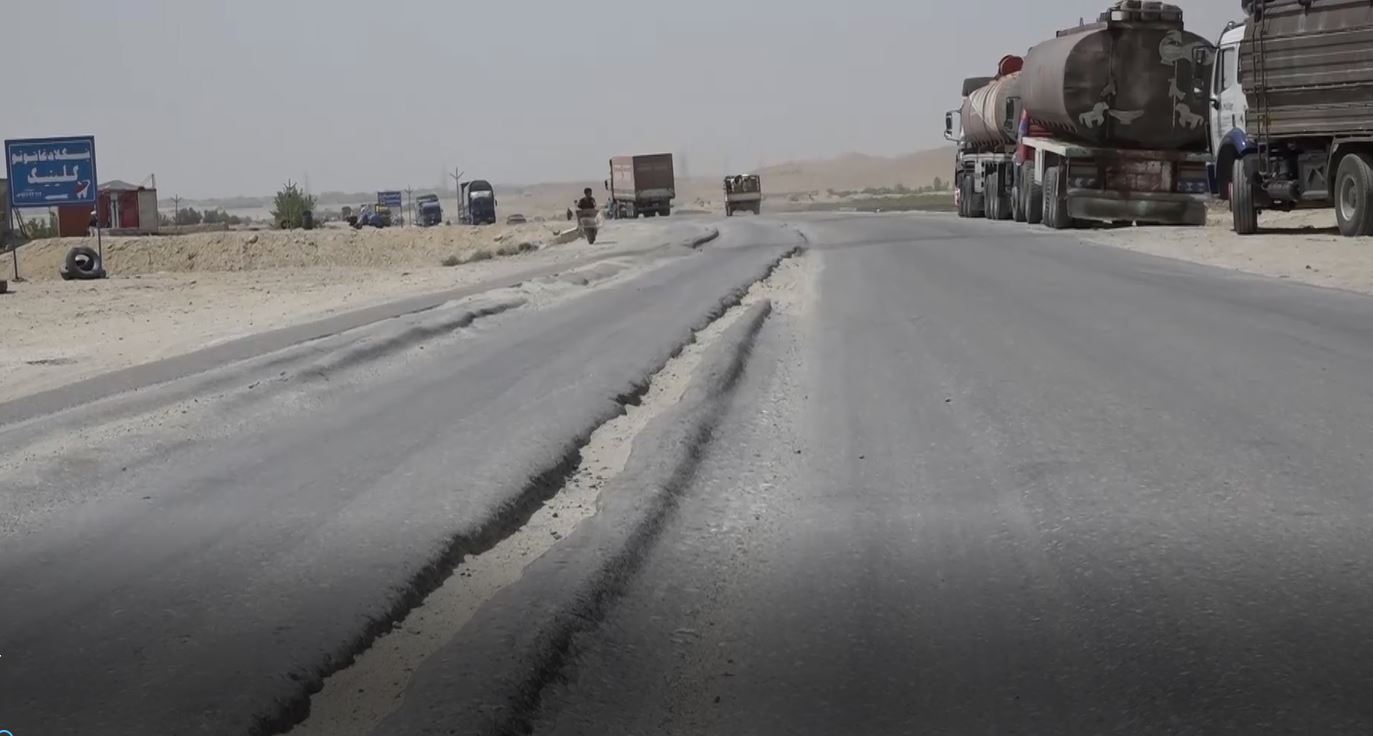
Afghanistan’s Road Crisis: Over 92% Unpaved, Threatening Access to Healthcare
-
Returnees from Pakistan Face Dire Educational and Economic Challenges for Daughters
-
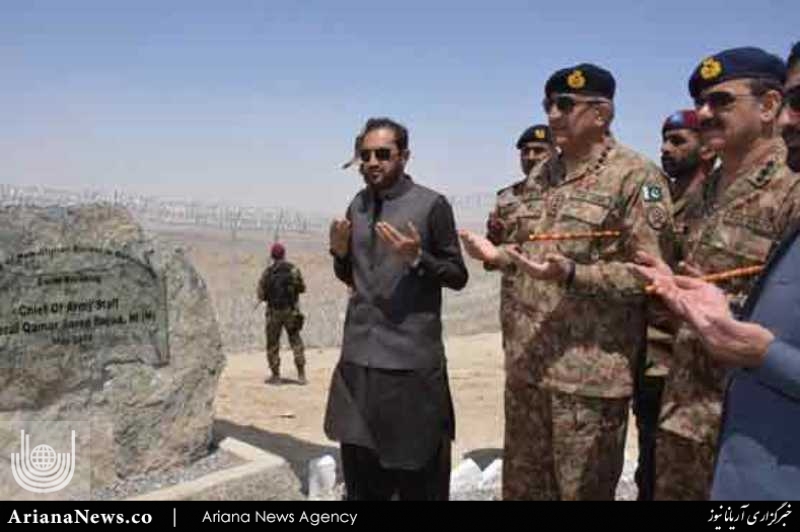
Tensions Flare Again Along the Durand Line Amid Conflicting Claims
-
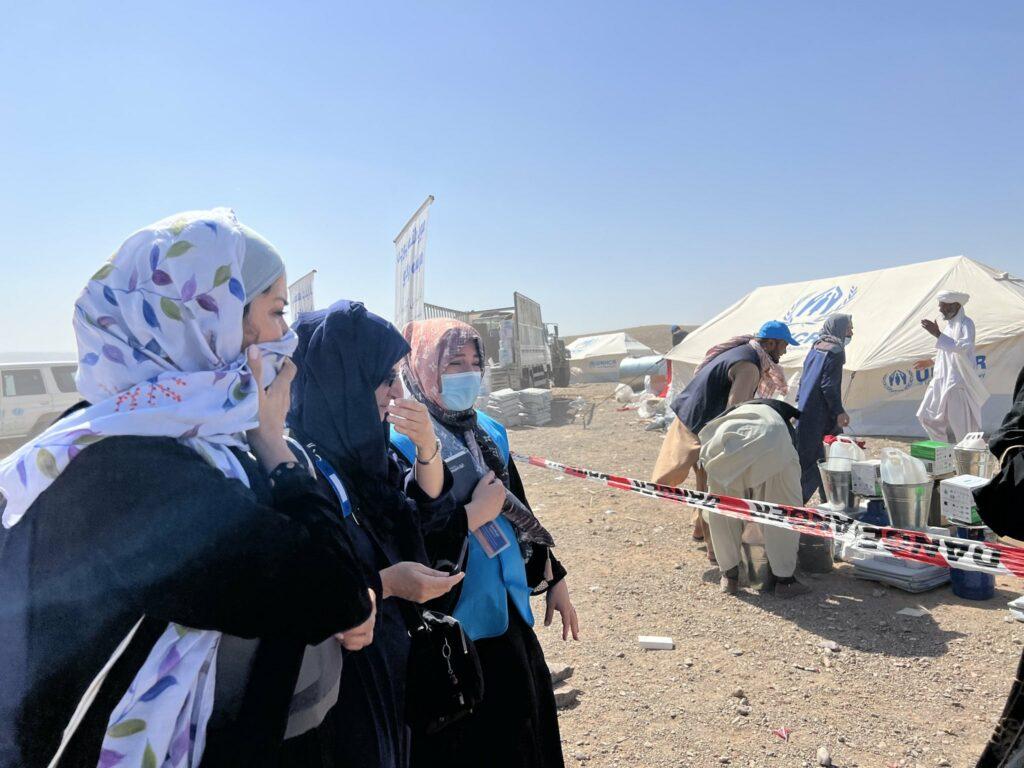
UN Official Urges Essential Role of Women in Afghan Humanitarian Efforts
-
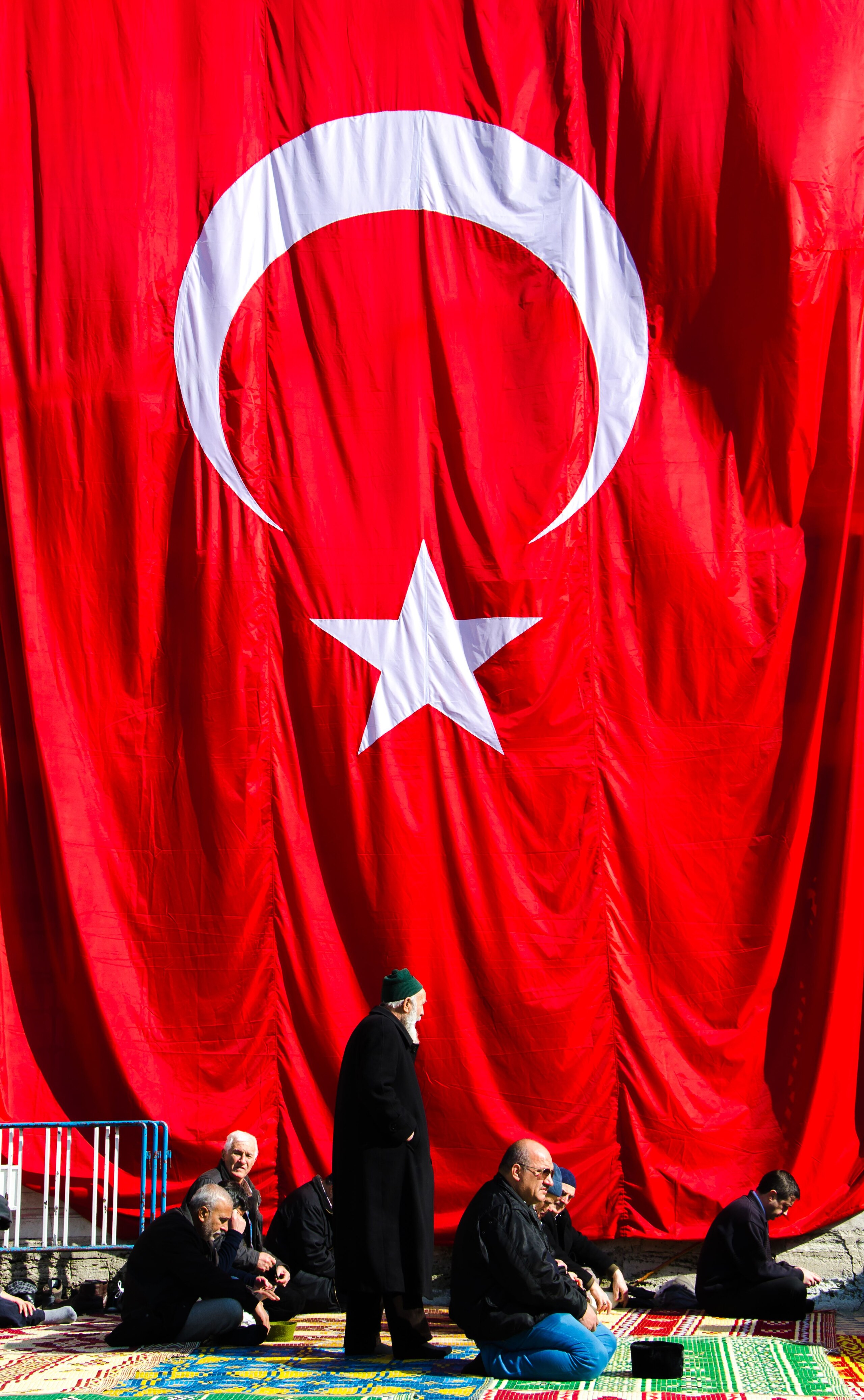
Turkey’s Intelligence Chief Engages in Security Talks in Afghanistan and Pakistan