Surge in Afghan Deportations from Pakistan Sparks Humanitarian Crisis
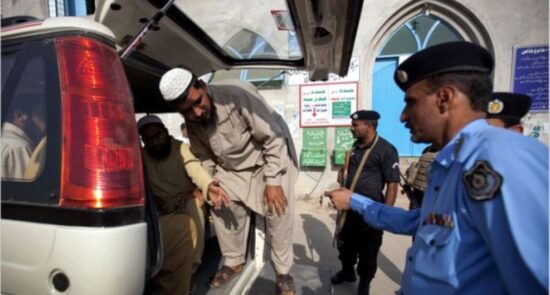
A recent report from the International Organization for Migration (IOM) and the United Nations High Commissioner for Refugees (UNHCR) indicates a significant 33% increase in the deportation of Afghan nationals from Pakistan during the first week of February 2026.
Rising Pressures in February; 33% Surge in Deportations
A newly released joint report by international migration agencies characterizes the situation of Afghan refugees in Pakistan as critical. According to the data, from February 1 to 7 alone, 2,013 Afghan citizens were arrested and forcibly deported by Pakistani security forces. This number represents a 33% rise compared to the last week of January, highlighting an unprecedented increase in police operations across various provinces in Pakistan.
Fear of Arrest; The Sole Motivation for Return
A striking aspect of the IOM report focuses on the mental state of returning migrants. Interviews with repatriates reveal that 99% explicitly stated that their only reason for leaving their homes in Pakistan was the fear of arrest and violent confrontations with police. This data suggests that the returns, contrary to claims by Islamabad officials, are in no way voluntary but are instead a result of a systematic climate of fear that forces refugees to abandon their homes.
38,000 Individuals Returned in 15 Days; Increased Strain on Kabul
The return process was also reported to be substantial in January. In the last two weeks of the previous month, over 38,000 individuals crossed back into Afghanistan through official borders. This sudden influx during the cold season places additional pressure on the limited resources of the current Afghan government and humanitarian organizations. Many of these families are now facing dire humanitarian conditions in the border provinces, lacking adequate shelter and financial resources.
Legal and Humanitarian Challenges at the Southern Borders
Experts argue that Pakistan’s use of the refugee issue as a political leverage directly violates international asylum conventions. Given that most of these individuals have lived in Pakistan for years, their abrupt deportation poses not only a security crisis for Kabul but also a humanitarian disaster for families who have left all their belongings behind in Pakistan, crossing the borders with only the clothes on their backs.
-

Rising Tensions as Deadline Approaches for Al-Siliya Camp’s Closure
-
Afghan Refugees in Germany Face Growing Uncertainty Amidst AfD’s Rise
-
UN Experts Call on Pakistan to Halt Afghan Refugee Expulsions Amid Rising Risks
-
International Community Urges Change in Taliban’s Policies Amid Humanitarian Crisis in Afghanistan
-
UN Security Council Faces Division Over Afghanistan Mission Extension
-
Taliban Reports 761 Civilian Deaths Amid Pakistani Military Attacks