Social September 13, 2026
Short Link:Afghan Women Struggle Against Poverty and Unemployment Amid Taliban Restrictions
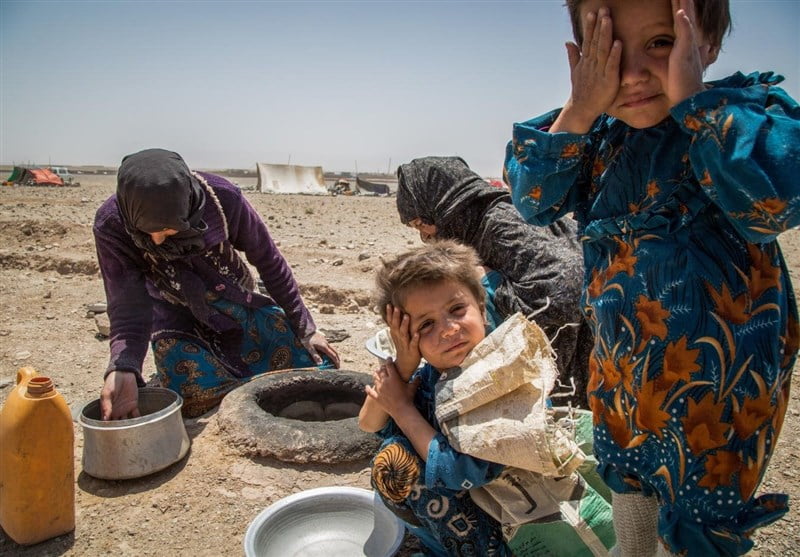
Afghan women are under severe pressure due to poverty and unemployment, demanding adequate job opportunities. They are seeking assistance from aid organizations.
Afghan Women Face Serious Challenges from Poverty and Unemployment
Women in various provinces of Afghanistan are voicing their struggles stemming from poverty and unemployment. Many, who are heads of their families, have turned to grueling jobs after losing their previous employment in order to cover their daily expenses.
Economic Pressure on Female Heads of Households
A woman from Konar province told Radio Free Europe that she previously worked in the Women’s Affairs Department but is now unemployed and forced to work in agricultural fields to support her family. She stated, “I used to easily provide for my family, but now I am facing many difficulties.”
Monki, a head of a 15-member household from Nangarhar, highlighted severe economic challenges, saying, “We have no one to help us, nor do we have anything to meet our needs. Sometimes we go days without food.”
Work and Educational Restrictions
Other women are also complaining about the restrictions imposed by the Taliban. Anya, a resident of Badakhshan who previously worked for a foreign organization, expressed her dissatisfaction with the ban on her employment by the Taliban. She told Radio Free Europe, “My work has stopped due to these restrictions, and now I am unemployed.”
International Aid Needed, Especially for Female Heads of Households
These women are urgently requesting assistance from aid organizations, proposing that they support impoverished families, especially those headed by women, by providing food and healthcare services. According to international reports, 78 percent of Afghan women have been deprived of education and employment, a rate four times higher than that of men.
They indicate that the current economic situation has not only made it difficult to provide for their families but has also severely impacted access to healthcare services. Zabihullah Mujahid, a spokesperson for the Taliban government, did not respond to inquiries by the time this report was published.
-

Taliban Intensifies Pressure on Afghanistan’s Shia Community: Educational Institutions Targeted
-
Funding Crisis Threatens Women’s Organizations in Afghanistan
-
Families Torn Apart: Afghan Migration Driven by Lack of Job Opportunities
-
Critical Malnutrition Crisis Affects Over 500,000 Afghan Children Amid Rising Poverty
-
Clashes Erupt in Kamdish as Taliban and Afghanistan Freedom Front Engage in Heavy Fighting
-
Herat’s Trade Boom: Exchanges with Kazakhstan Reach $581 Million