Escalating Tensions: Pakistan’s Military Actions Draw Global Condemnation
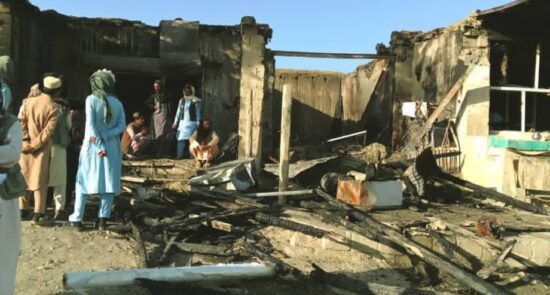
The recent military actions by Pakistan against the border provinces of Afghanistan have sparked a wave of condemnation both domestically and internationally. Former Afghan President Hamid Karzai, Manzoor Pashteen, the European Union, and even Donald Trump have expressed concerns regarding the escalation of tensions, with analysts suggesting that Islamabad aims to exert pressure on Kabul’s foreign policy…
Reactions from Afghan Politicians to Recent Attacks
Pakistan’s recent airstrikes in parts of Afghanistan have prompted strong responses within the country. Former Afghan President Hamid Karzai condemned the attacks, stating that Pakistan must stop its aggression towards the Afghan people and territory for its own good and reconsider its policies. He emphasized that mutual respect and adherence to principles of civilized relations are the only path to regional stability.
Manzoor Pashteen: The Pakistani Army is a Terrorist Entity
Manzoor Pashteen, leader of the Pashtun Protection Movement, reacted to the attacks by criticizing the Pakistani military regime for perpetrating acts of terrorism in the name of combating terrorism. He highlighted that the attack in Paktika province, which resulted in the deaths of several local cricket players, is a clear example of state terrorism. Pashteen urged the public not to remain silent in the face of such blatant injustice.
International Reactions; From Brussels to Washington
Kaja Kallas, the EU’s High Representative for Foreign Affairs and Security Policy, called on both sides to refrain from escalating tensions and to extend the ceasefire. Meanwhile, Donald Trump, the former US President, asserted at a press conference that he is aware of Pakistan’s aggression towards Afghanistan. He stated that resolving this issue would be straightforward for him, although he currently holds the responsibility of leading the United States.
New Position from the Pakistani Army
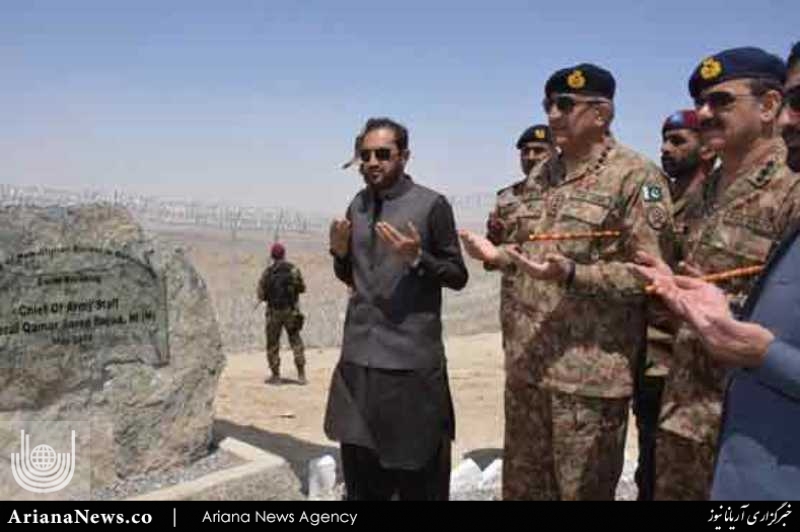
Asim Munir, the Chief of Army Staff of Pakistan, recently accused India of politicizing the issue of terrorism. He also urged the Islamic Emirate of Afghanistan to prevent groups operating from Afghan territory from launching attacks into Pakistan.
Rampant Tensions and Border Conflicts
Tensions escalated after Pakistani forces violated Afghanistan’s airspace and conducted bombings in Paktika province. In response, the Ministry of Defense of the Islamic Emirate of Afghanistan carried out retaliatory strikes on border regions, targeting several Pakistani outposts according to local sources.
Public and Media Reactions
Ethnic, religious, and political leaders in Afghanistan have issued joint statements labeling these attacks as violations of national sovereignty and blatant foreign interference. Public sentiment has shifted, with widespread protests against foreign influence and capitulation to the West. Domestic television networks have launched special programs to showcase the resilience of the Afghan people against foreign aggression.
The Political Message of Resistance
In the official discourse of Afghan officials, the people’s resistance is framed as a sign of political independence. This narrative, emphasizing a departure from dependency on Western powers, conveys a message to the younger generation that Afghanistan’s foreign policy should be rooted in independence and the preservation of national dignity.
Final Analysis; Islamabad’s Political Pressure on Kabul
Analytical sources suggest that Pakistan’s recent incursion is designed as a pressure tactic on the new Kabul government to alter its foreign stance. They believe Islamabad is attempting to curb Afghanistan’s growing ties with Eastern powers while keeping Kabul’s foreign policy aligned with its own interests.
-

UN Calls for Urgent Action as Afghanistan Faces Deepening Crisis
-
Afghanistan’s Road Crisis: Over 92% Unpaved, Threatening Access to Healthcare
-
Returnees from Pakistan Face Dire Educational and Economic Challenges for Daughters
-
Tensions Flare Again Along the Durand Line Amid Conflicting Claims
-
UN Official Urges Essential Role of Women in Afghan Humanitarian Efforts
-
Turkey’s Intelligence Chief Engages in Security Talks in Afghanistan and Pakistan