WHO Warns Afghans to Prepare for Extreme Heat as Temperatures Set to Surge
The World Health Organization has issued a warning regarding rising temperatures in Afghanistan, urging residents to heed health advice to protect themselves from the dangers of extreme heat. Concurrently, the National Disaster Preparedness Administration has reported the likelihood of temperatures exceeding 45 degrees Celsius in some regions of the country.
The World Health Organization (WHO) has expressed concern over the increasing temperatures in Afghanistan and has advised residents to follow health recommendations to safeguard themselves and their families against the effects of severe heat.
Health Recommendations to Combat Extreme Heat
On Saturday, July 18, the WHO released a message recommending regular hydration, wearing light and loose-fitting clothes, using wide-brimmed hats, taking cool showers, and consuming light meals as critical measures to mitigate the dangers associated with extreme heat. This organization has emphasized that adhering to these guidelines can significantly reduce the risk of heat-related illnesses and other complications caused by rising temperatures.
Avoiding Exposure to Excessive Heat
The WHO further urged community members to stay in shaded and cool areas whenever possible and to spend several hours each day in environments with comfortable temperatures. The organization also advised against engaging in strenuous physical activities during the hottest parts of the day.
Additionally, the warning highlighted that children should never be left unattended in parked vehicles, as rapid temperature increases inside a car could pose serious threats to their safety.
Forecast of Temperatures Exceeding 45 Degrees in Some Areas
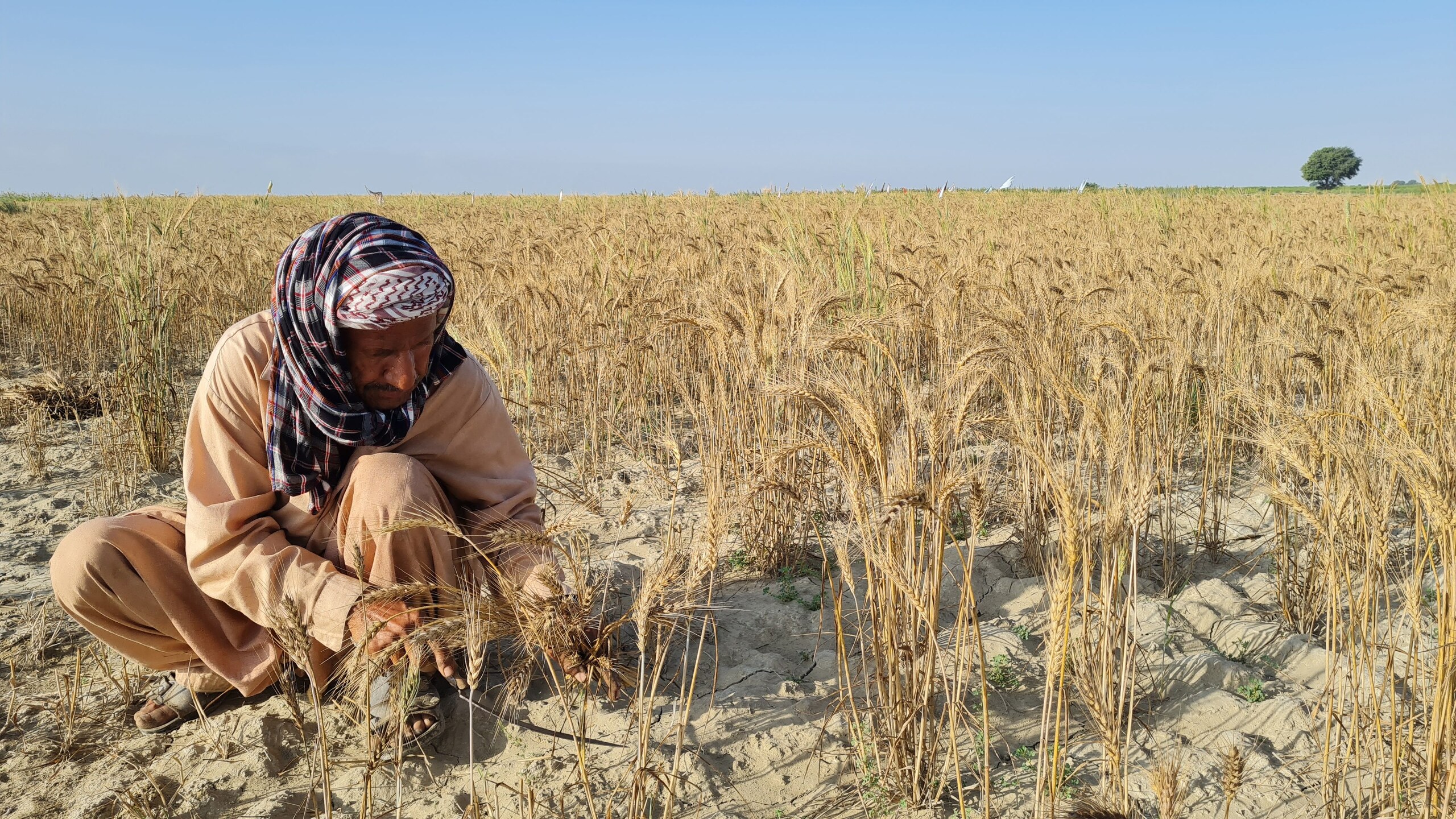
This warning comes as the National Disaster Preparedness Administration has announced that by Wednesday, temperatures in several northern and western provinces of Afghanistan are expected to surpass 45 degrees Celsius.
The predicted rise in temperatures over the coming days could heighten the risks of heat-related illnesses, dehydration, and other complications associated with extreme heat. In light of this, authorities are urging residents to take health and safety recommendations seriously.
-

Afghanistan’s Road Crisis: Over 92% Unpaved, Threatening Access to Healthcare
-
Returnees from Pakistan Face Dire Educational and Economic Challenges for Daughters
-
Tensions Flare Again Along the Durand Line Amid Conflicting Claims
-
UN Official Urges Essential Role of Women in Afghan Humanitarian Efforts
-
Human Rights Advocates Urge Action Against Taliban’s Suppression of Religious Minorities in Afghanistan
-
Afghanistan Faces Dual Water Crisis Amid Seasonal Rains