Over 1,400 Afghan Asylum Seekers Return Home After Release from Pakistani Prisons
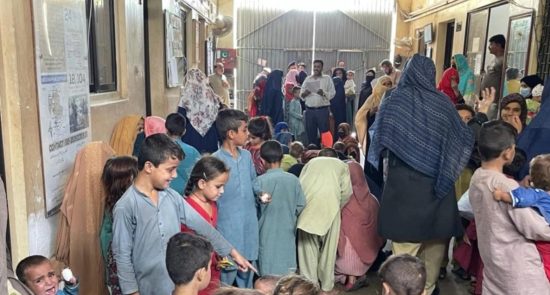
The Ministry of Refugees and Repatriation has reported the return of over 1,400 Afghan asylum seekers, including many families, following their release from prisons in Pakistan. This development comes amid a fresh wave of extensive detentions of undocumented migrants across the country.
Release and Return of Over 1,400 Afghan Asylum Seekers from Pakistani Prisons
Local officials from the Ministry of Refugees and Repatriation announced this week that more than 1,400 Afghan nationals, who had been held in various detention facilities in Pakistan, have returned to Afghanistan after their release. According to an official statement released by the ministry, a significant number of families are among those who re-entered the country through border crossings after enduring periods of imprisonment.
Detailed statistics indicate that the majority of these released individuals, numbering over 1,000, entered Afghanistan via the Torkham border in the eastern region, while the remainder crossed through the Spin Boldak border in the south. Relevant authorities have emphasized that the process of transporting these individuals to their original places of residence commenced following the provision of initial humanitarian assistance.
Increased Security Measures and Renewed Detentions in Pakistan
This significant return and release of detainees occur at a time when reports from various provinces in Pakistan indicate the beginning of a new phase of legal actions and arbitrary detentions targeting Afghan migrants by the police. The Pakistani government has officially issued necessary warnings and drastically intensified its efforts to identify and detain undocumented refugees in several cities.
Organizations advocating for migrant rights have consistently expressed concern over the treatment of Afghan asylum seekers by Pakistani security forces. Nonetheless, the phenomenon of forced expulsions and targeted detentions of refugees within Pakistan continues to be a serious challenge in the bilateral relations between Kabul and Islamabad, with both sides engaged in diplomatic discussions to address this humanitarian crisis.
-

UN Calls for Urgent Action as Afghanistan Faces Deepening Crisis
-
Fish Prices Soar in Nangarhar Amid Torkham Border Closure
-
OIC Partners with Islamic Solidarity Fund to Aid Earthquake Victims in Afghanistan
-
As Autumn Approaches, Displaced Afghan Families Struggle for Survival Amidst Economic Hardships
-
One Year Later: Kunar Families Still Homeless After Earthquake
-
640 Afghan Migrants Released from Pakistani Prisons Return Home Amid Ongoing Challenges