UNICEF Alerts: 3.7 Million Afghan Children Threatened by Malnutrition Crisis
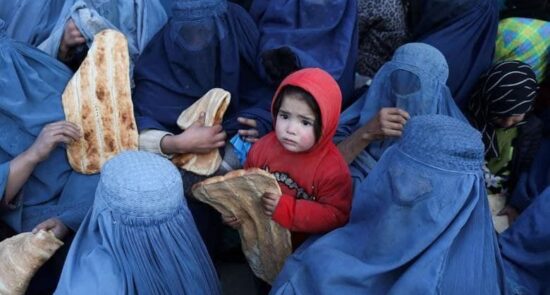
UNICEF has issued a warning that 3.7 million children in Afghanistan are at risk of severe malnutrition. With the onset of the peak season for acute malnutrition in children, the nutritional situation has worsened in many provinces across the country, primarily due to food insecurity and lack of access to nutritious food.
UNICEF’s Warning on Nutritional Crisis
UNICEF, the United Nations agency focused on children’s welfare, has reported that 3.7 million children in Afghanistan are facing severe malnutrition. Concerns regarding the nutritional crisis have intensified as the peak season for acute malnutrition begins.
According to a report titled “Too Little, Too Late: The Early Childhood Nutritional Crisis in Afghanistan,” food insecurity and inadequate access to nutritious food are major factors exacerbating this crisis.
Children Under Two Most Affected
UNICEF further highlighted that children under the age of two are the most vulnerable to malnutrition, with 83% of severe malnutrition cases and 77% of moderate malnutrition cases falling within this age group.
The agency has warned that if these trends continue, an increasing number of children could face serious and life-threatening consequences.
Warning Signs for Families
Tajuddin Owyaleh, a UNICEF representative in Afghanistan, noted that a reduction in meal frequency or a decline in the availability of nutritious food within families could be indicators of the risk of severe malnutrition and life-threatening conditions for children.
He emphasized the urgent need to enhance families’ access to adequate and nutritious food to prevent further escalation of the crisis.
Escalating Crisis in Afghanistan
UNICEF cautioned that with the start of the peak season for acute malnutrition in children, there may be an increase in cases of malnutrition in the coming weeks and months, heightening concerns over the health of children in Afghanistan.
The international organization has called for immediate attention to the nutritional crisis in Afghanistan, warning that without swift action, millions more children could be put at risk.
-

Afghanistan’s Road Crisis: Over 92% Unpaved, Threatening Access to Healthcare
-
Returnees from Pakistan Face Dire Educational and Economic Challenges for Daughters
-
Tensions Flare Again Along the Durand Line Amid Conflicting Claims
-
UN Official Urges Essential Role of Women in Afghan Humanitarian Efforts
-
Human Rights Advocates Urge Action Against Taliban’s Suppression of Religious Minorities in Afghanistan
-
Afghanistan Faces Dual Water Crisis Amid Seasonal Rains