Afghanistan Faces Catastrophic Climate Crisis as Floods and Quakes Claim Lives
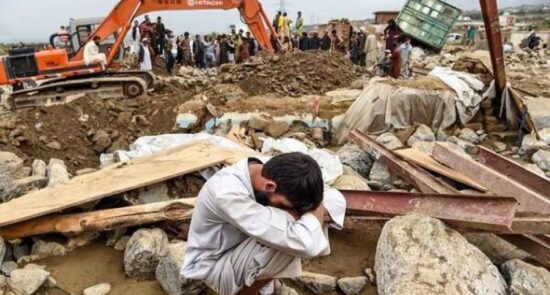
The National Disaster Management Authority under the Taliban government has reported that from March 6 to March 22, severe rainfall, flooding, earthquakes, and landslides have claimed 179 lives and left 238 others injured. In addition, over 7,000 homes have been destroyed, placing Afghanistan at the forefront of countries affected by climate crises.
Missing Residents Amid Flooding
In a recent video statement, Taj Mohammad Hemat, spokesperson for the authority, revealed that at least nine people remain missing. He explained that these individuals are mostly feared drowned in the intense floods, and efforts are ongoing in various provinces to locate their bodies or uncover their fates.
Widespread Destruction of Infrastructure and Homes
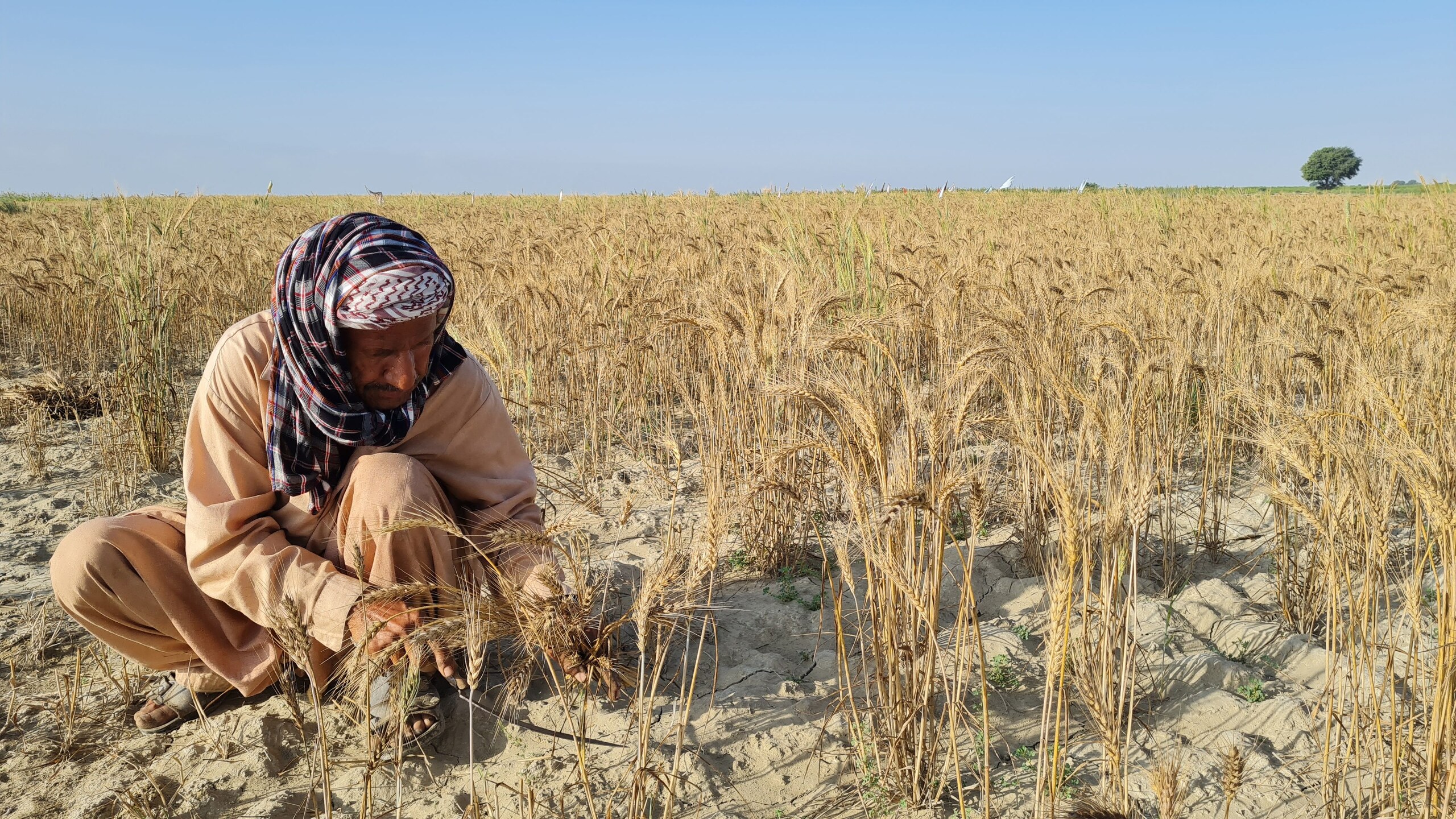
The report highlights the extensive financial damage inflicted on households. Over the past three weeks, 1,277 residential buildings have been completely destroyed, while another 5,770 have suffered partial damage. This devastation has left thousands of families without shelter amidst harsh weather conditions, significantly increasing the urgent need for humanitarian assistance. In addition to homes, large swathes of agricultural land and transportation routes have also experienced serious damage.
Afghanistan: The Primary Victim of Climate Change
These events coincide with repeated warnings from the United Nations that Afghanistan is among the top ten countries most adversely affected by climate change. Despite contributing minimally to global greenhouse gas emissions, the people of Afghanistan suffer greatly due to weak infrastructure and economic poverty, often facing high casualties due to extreme weather variations, prolonged droughts, and devastating floods. Local officials have called on international organizations to enhance their support for disaster survivors and the reconstruction of destroyed infrastructure.
-

UN Calls for Urgent Action as Afghanistan Faces Deepening Crisis
-
Afghan Girls Ignite Educational Initiative Amid Restrictions
-
Afghanistan Faces Dual Water Crisis Amid Seasonal Rains
-
Families Face Eviction and Homelessness as Winter Approaches in Kabul
-
Kunar’s Earthquake Survivors Struggle for Shelter as Winter Approaches
-
Healthcare Crisis in Afghanistan: Millions Face Medicine Shortages and Clinic Closures