UNICEF Reports Over 480,000 Afghan Children Treated for Severe Malnutrition Amid Ongoing Crisis

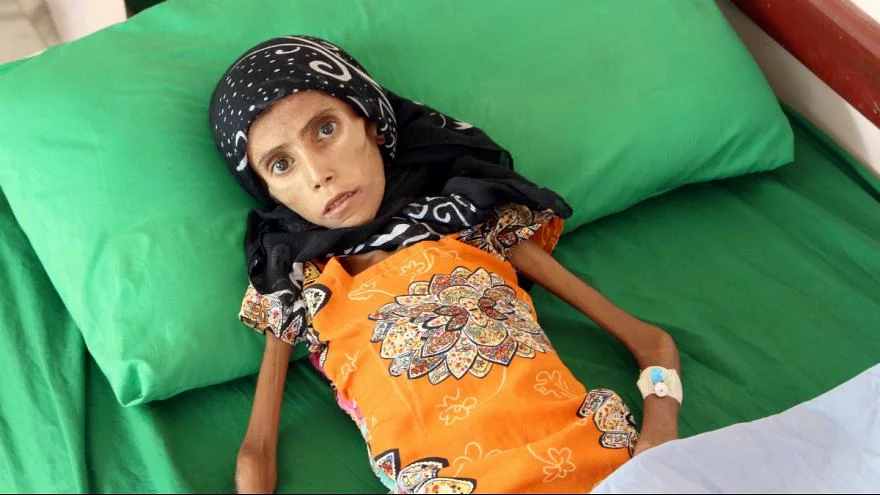
The United Nations Children’s Fund (UNICEF) has reported that over 480,000 children suffering from severe malnutrition in Afghanistan received treatment this year. The organization has warned about the ongoing humanitarian crisis in the country and criticized obstacles encountered by aid agencies.
Treatment of Over 480,000 Afghan Children with Malnutrition
UNICEF announced that during the current Christian year, more than 480,000 Afghan children afflicted with severe malnutrition have been treated across Afghanistan.
This statistic comes at a time when the humanitarian situation in the country is still challenged by widespread issues, including poverty, food shortages, and limited access to health services.
UNICEF: Global Support Continues
In a message shared on social media platform X (formerly Twitter), UNICEF emphasized its commitment to delivering life-saving services to Afghan children, expressing gratitude for the collaboration of international organizations and aid agencies in supporting vulnerable children in Afghanistan. The organization confirmed that efforts to mitigate malnutrition crises in remote and affected areas are ongoing.
Restrictions by the Taliban and Access Challenges
While UNICEF stresses the expansion of health programs, some aid sources indicate that the Taliban administration has imposed barriers that restrict access to assistance in certain provinces. Observers note that these limitations have hampered the effectiveness of humanitarian programs and delayed help for children in need.
The Rising Crisis Following the Taliban’s Return to Power
Since the collapse of the republic system in 2021 and the Taliban’s return to power, rates of malnutrition among Afghan children, particularly in rural and remote areas, have increased significantly. Health experts state that poor management of the health system, declining international budgets, and lack of access to basic health services have placed Afghan children at greater risk than ever before.
Ongoing Need for Humanitarian Assistance
UNICEF and other global aid organizations have repeatedly warned that without ongoing humanitarian assistance in Afghanistan, millions of children will face the risk of hunger, illness, and death. The organization has urged the international community to enhance support for food and health programs in Afghanistan to avert a larger humanitarian crisis.
-

UN Calls for Urgent Action as Afghanistan Faces Deepening Crisis
-
Critical Malnutrition Crisis Affects Over 500,000 Afghan Children Amid Rising Poverty
-
Afghanistan’s Road Crisis: Over 92% Unpaved, Threatening Access to Healthcare
-
Returnees from Pakistan Face Dire Educational and Economic Challenges for Daughters
-
Tensions Flare Again Along the Durand Line Amid Conflicting Claims
-
UN Official Urges Essential Role of Women in Afghan Humanitarian Efforts