Deadly Earthquake Hits Northern Afghanistan, Causing Casualties and Power Outages

Following a powerful 6.3 magnitude earthquake in northern Afghanistan, at least 20 people have lost their lives and over 320 have sustained injuries. The earthquake struck on Monday morning, affecting the provinces of Samangan and Balkh, and caused power outages in Kabul and several northern provinces…
Details of Casualties and Damages
The Taliban’s Ministry of Public Health has reported that initial figures indicate at least 20 fatalities and around 320 injuries. Shrafat Zaman, a spokesperson for the ministry, stated in a video message that all hospitals have been instructed to remain on high alert to handle the influx of injured individuals. Local reports indicate that the tremors were felt most strongly in the provinces of Samangan, Balkh, and Baghlan.
Power Outages and Infrastructure Damage
The power company, Breshna, which operates under the Taliban government, announced that the earthquake caused damage to power lines imported from Uzbekistan and Tajikistan. Consequently, electricity has been disrupted in Kabul and other provinces along these lines. Officials from Breshna have confirmed that efforts to restore power are underway.
Conflicting Reports from Samangan
Samim Joyenda, the spokesperson for the Taliban Public Health Department in Samangan, reported a death toll of at least 20 and approximately 200 injuries in the province. According to Qari Lotfullah Habibi, the head of the Taliban Public Health Department in Samangan, one person has died and over a hundred have been injured in the provincial capital, Aybak. In the Khulm district, six people have died and more than 70 have been injured, while in the Hazrat Sultan district, one death and 15 injuries have been reported.
Magnitude and Extent of the Tremors
According to the U.S. Geological Survey (USGS), the earthquake registered a magnitude of 6.3 and occurred at a depth of 28 kilometers. The epicenter was located near the city of Mazar-i-Sharif, the capital of Balkh province. Tremors were also felt in Kabul, Takhar, Kunduz, Faryab, and Sar-e Pol.
Reopening of the Kabul-Mazar-i-Sharif Highway
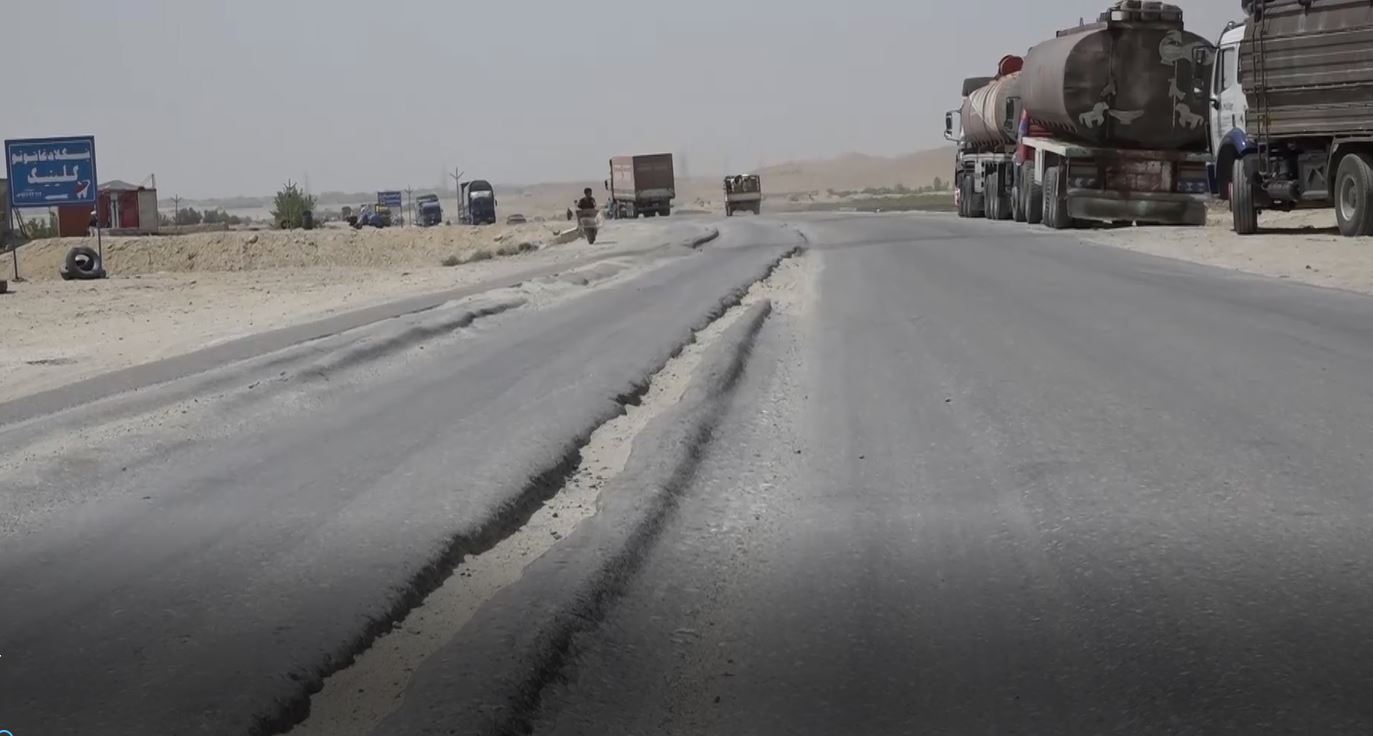
The Bakhtar news agency has reported that the Kabul-Mazar-i-Sharif highway, which had been blocked due to landslides in the Tangi Tashqurghan area, has been reopened through the efforts of Taliban defense forces.
History of Deadly Earthquakes
Just over two months ago, on August 31, a devastating earthquake struck eastern Afghanistan, leading to over 2,200 deaths and nearly 4,000 injuries according to official Taliban figures. Experts warn that the vulnerability of Afghanistan’s infrastructure continues to pose a high risk for heavy casualties in similar seismic events.
-

UN Calls for Urgent Action as Afghanistan Faces Deepening Crisis
-
Afghanistan’s Road Crisis: Over 92% Unpaved, Threatening Access to Healthcare
-
Returnees from Pakistan Face Dire Educational and Economic Challenges for Daughters
-
Tensions Flare Again Along the Durand Line Amid Conflicting Claims
-
UN Official Urges Essential Role of Women in Afghan Humanitarian Efforts
-
Human Rights Advocates Urge Action Against Taliban’s Suppression of Religious Minorities in Afghanistan