UNICEF Sounds Alarm: 3.7 Million Children in Afghanistan Face Malnutrition Crisis
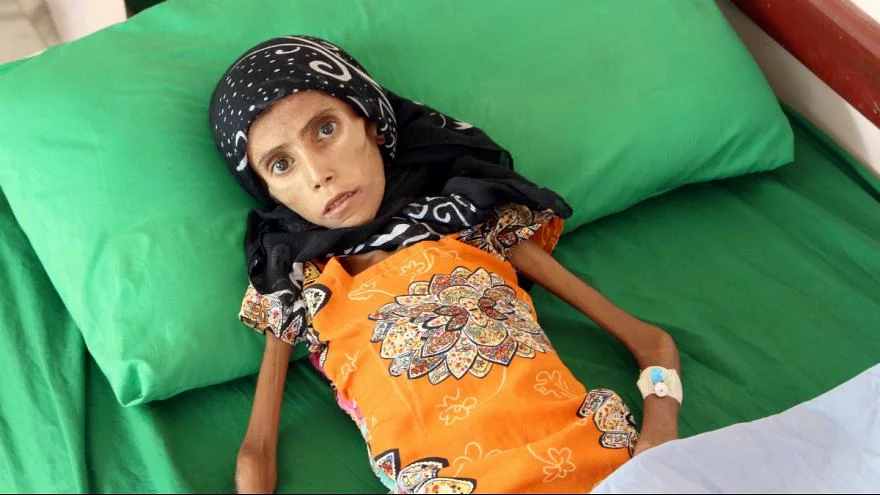
The United Nations Children’s Fund (UNICEF) has issued a stark warning in its latest report regarding the severe food insecurity in Afghanistan, indicating that 3.7 million children under the age of five are at risk of malnutrition. The situation has deteriorated significantly in 26 provinces compared to the previous year…
UNICEF Raises Alarm for 3.7 Million Children in Afghanistan
The ongoing economic crisis and consecutive droughts are taking a heavy toll on the most vulnerable group: young children. In its newly released strategic report titled “Too Little, Too Late: The Child Nutrition Crisis in Afghanistan,” UNICEF explicitly warns that acute and life-threatening food insecurity is pushing 3.7 million children under the age of five towards severe malnutrition. The organization highlights early warning signs, including a reduction in dietary diversity, repeated exclusion of staple foods, and hidden hunger, as indicators of the impending disaster.
Escalation of Severe Wasting Rates in 26 Provinces
UNICEF’s statistical findings reveal a troubling increase in malnutrition and weight loss due to hunger across 26 of Afghanistan’s 34 provinces ahead of the critical acute wasting season, which typically begins in early July and lasts for several months. The most alarming part of the assessment indicates that children under two years old are the most affected, accounting for 83 percent of all severe acute malnutrition (SAM) cases and 77 percent of moderate acute malnutrition (MAM) cases. Health experts stress that these figures point to a deepening crisis that is emerging earlier than expected.
Call for Immediate Investment and Strengthening Preventive Programs
Dr. Tajuddin Owali, the current UNICEF representative in Afghanistan, expressed grave concern over the situation, noting that treating affected children can save lives. However, he emphasized the need for global investment in preventive measures before children reach critical and dangerous stages of illness.
In this context, UNICEF has called for urgent and large-scale humanitarian action, which includes:
– Expansion of the first foods program: A special focus on improving the quality and diversity of young children’s diets.
– Prioritization of vulnerable age groups: Concentrating on the nutrition and health of children aged 6 to 23 months and pregnant or breastfeeding mothers.
– Coordination of essential services: Ensuring synergy between health, vaccination, clean water supply, and public health sectors tailored to the nutritional needs of vulnerable communities.
The organization concluded with a warning that, alongside poverty, factors such as the spread of infectious diseases, inadequate vaccination coverage, and a severe lack of access to clean drinking water are dramatically accelerating the rate at which children are falling into malnutrition.
-

UN Calls for Urgent Action as Afghanistan Faces Deepening Crisis
-
Afghan Families Struggle to Afford Basic Food Items Amid Economic Crisis
-
Critical Malnutrition Crisis Affects Over 500,000 Afghan Children Amid Rising Poverty
-
Afghanistan’s Road Crisis: Over 92% Unpaved, Threatening Access to Healthcare
-
Returnees from Pakistan Face Dire Educational and Economic Challenges for Daughters
-
Tensions Flare Again Along the Durand Line Amid Conflicting Claims