Massoud Critiques Taliban’s Security Policies Amid Rising Border Tensions
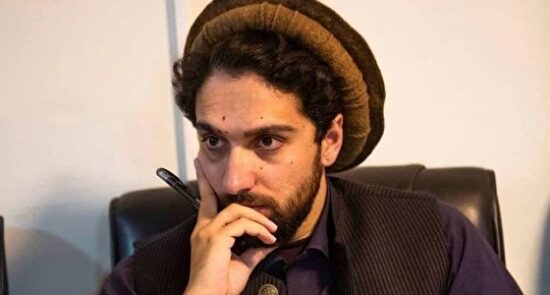
Ahmad Massoud, leader of the National Resistance Front of Afghanistan, has sharply criticized the security policies of the Taliban, accusing the group of turning Afghanistan into a battleground and a victim of dangerous geopolitical games by harboring international terrorist networks…
Analysis of Recent Events
Ahmad Massoud delivered a pointed analysis of the current security situation and recent border tensions in his speech marking the 31st anniversary of Abdul Ali Mazari, the late leader of the Islamic Unity Party. He noted the presence of groups such as the Pakistani Taliban (TTP), Al-Qaeda, Jish al-Adl, and Ansarullah on Afghan soil, claiming that the current regime has transformed Afghanistan into a safe haven for terrorist organizations.
Pakistan’s Attacks: Consequences of Kabul’s Policies
In his remarks, Massoud addressed the recent air and rocket strikes by the Pakistani army on various provinces of Afghanistan. He attributed these conflicts to the reckless actions and misguided policies of the Taliban, emphasizing that the Afghan people are now paying the price for the security games played by factions that sacrifice national interests for ties with foreign fighters.
Current Status of the National Resistance Front
The National Resistance Front, having turned to armed resistance following the fall of Panjshir, has led confrontations in the northern provinces in recent years. Although this front has lost some of its top commanders in these battles and its armed activities are now pursued more cautiously compared to the early days of the Taliban’s rule, Ahmad Massoud insists that his forces continue to carry out attacks against Taliban positions, maintaining their commitment to their cause.
Kabul’s Denials and Regional Concerns
On the other hand, officials from the acting government in Kabul consistently deny these accusations, claiming they do not permit any foreign group to use Afghanistan’s territory against the security of other nations. Nonetheless, the increased cross-border attacks from Pakistan and the concerns expressed by neighboring countries highlight a deep disconnect between the Taliban’s official claims and the prevailing security realities at the borders. Ahmad Massoud believes that until a comprehensive and accountable government is established in Kabul, Afghanistan will remain a center of crisis and a threat to regional stability.
-

Taliban Intensifies Pressure on Afghanistan’s Shia Community: Educational Institutions Targeted
-
UN Calls for Urgent Action as Afghanistan Faces Deepening Crisis
-
Funding Crisis Threatens Women’s Organizations in Afghanistan
-
Clashes Erupt in Kamdish as Taliban and Afghanistan Freedom Front Engage in Heavy Fighting
-
Herat’s Trade Boom: Exchanges with Kazakhstan Reach $581 Million
-
Afghanistan’s Road Crisis: Over 92% Unpaved, Threatening Access to Healthcare