Escalating Tensions: Pakistan Blames India as Border Clashes with Taliban Intensify
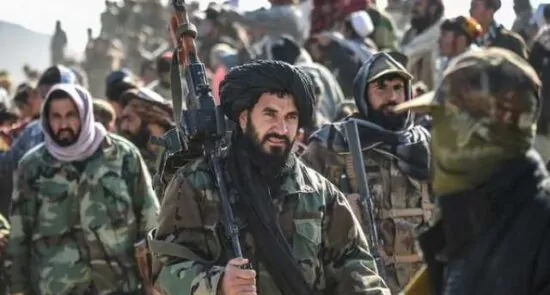
As border clashes intensify between Pakistan and the Taliban of Afghanistan, Islamabad has pointed fingers at India, accusing it of inciting the Taliban. Concurrently, speculation about the United States’ role in Pakistan’s recent incursions into Afghan territory has added new dimensions to the regional crisis…
Accusations from Islamabad Against New Delhi
The French news agency reported that as violent confrontations between Pakistani forces and the Afghan Taliban have escalated, Pakistani officials have laid blame on India for fueling this crisis. Prime Minister Shahbaz Sharif sharply stated that New Delhi has been provoking the Taliban for confrontation. Meanwhile, Khawaja Asif, Pakistan’s Defense Minister, described the Taliban’s administration as New Delhi’s representative in Kabul, claiming that the recent closeness between the Taliban and India is part of a calculated plan by India to undermine Pakistan.
The Historical Rivalry of Islamabad and New Delhi
The tense relationships between India and Pakistan have deep historical roots. The two nations have fought several wars since the partition of the subcontinent in 1947 and consistently accuse each other of supporting insurgents and interfering in domestic affairs. However, in recent months, signs of increased engagement between the Taliban and the Indian government have surfaced, heightening Islamabad’s concerns.
Taliban’s Closeness with India: A Warning Signal for Pakistan
While Kabul’s relations with Islamabad have soured, New Delhi officially welcomed Amir Khan Muttaqi, the Taliban Foreign Minister, sparking outrage among Pakistani officials. Afghan analyst Waheed Faqiri, in an interview with the French news agency, mentioned that the invitation to the Taliban’s foreign minister for talks in New Delhi was an attempt by India to heighten psychological pressure on Pakistan.
Heightened Border Clashes and Gunfire Exchanges
Tensions escalated following explosions in Kabul and Paktika. The Taliban accused Pakistan of unprecedented aggression and retaliated with counter-attacks along the border. This exchange of fire lasted over a week, accompanied by air and artillery strikes. Ultimately, on October 19, both parties signed a new ceasefire agreement.
Blaming Neighbors: A Long-Standing Policy in Islamabad-Kabul Relations
Analysts state that relations between Afghanistan and Pakistan have shifted from cooperation to overt rivalry since the Taliban’s return to power. Initially, Islamabad viewed the Taliban’s return positively, but it now accuses them of harboring the Tehrik-i-Taliban Pakistan (TTP), a group responsible for many recent attacks on Pakistani security forces. Security sources in Islamabad claim that over a hundred Pakistani soldiers were killed in attacks attributed to individuals who crossed into Pakistan from Afghan territory in October alone.
Domestic Pressure and the Refugee Crisis
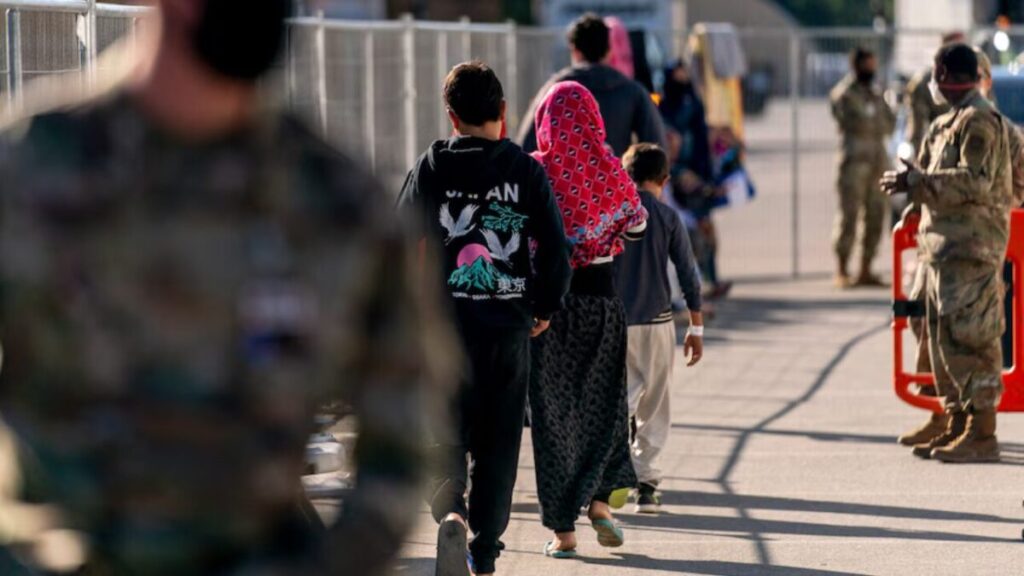
The surge in violence in Pakistan has prompted the government to adopt a stricter policy toward Afghan refugees. Thousands of Afghan asylum seekers have been expelled from Pakistan due to rising insecurity in recent years, facing backlash from international organizations.
Views from Diplomats and Analysts
Maleeha Lodhi, a former Pakistani diplomat, noted that the Taliban foreign minister’s visit to India could be seen as provocative; however, the primary issue prompting Pakistan’s reaction is the Taliban’s inability to control TTP activities. In contrast, New Delhi has dismissed Islamabad’s accusations, stating that Pakistan is attempting to evade responsibility for its internal issues.
The Ongoing Crisis: Speculations about America’s Role
Amid these developments, recent reports have surfaced indicating that the Pakistani military, backed by U.S. intelligence, has undertaken extensive operations within Afghan territory. On October 14 and 15, Pakistani forces targeted areas in Spin Boldak, Khost, and Kunar with airstrikes, with the Taliban asserting that dozens of civilians were killed and injured in these operations. Islamabad, however, claims these strikes were a response to terrorist activities emanating from Afghanistan.
Sources suggest that the accuracy of these strikes appears unlikely without U.S. intelligence collaboration. Experts assert that Washington and Islamabad have resumed their security cooperation in recent months, while the Taliban’s ties with the U.S. have soured due to the rejection of Washington’s request to utilize Bagram Air Base.
Political Implications Behind Recent Attacks
Regional analysts believe that the recent attacks by Pakistan were conducted with a green light or willful silence from Washington to demonstrate to the Taliban that ignoring U.S. demands could have consequences. Both the United States and Pakistan express discontent with the Taliban; the former for supporting extremist groups, and the latter due to the growing threat posed by the TTP.
Consequently, the recent attacks are perceived not only as a military response to border threats but also as a political message to Kabul, warning that should current policies persist, international pressure against the Taliban will intensify.
-

Russia Critiques West’s Treatment of Afghan Refugees Amid Growing Concerns
-
Returnees from Pakistan Face Dire Educational and Economic Challenges for Daughters
-
Tensions Flare Again Along the Durand Line Amid Conflicting Claims
-
Turkey’s Intelligence Chief Engages in Security Talks in Afghanistan and Pakistan
-
Taliban Blames Pakistan for Airstrikes Amid Domestic Turmoil
-
Russia Urges Taliban and Pakistan to Seek Dialogue Amid Rising Tensions