Educational Crisis Looms for Afghan Returnees Following Forced Expulsions from Pakistan
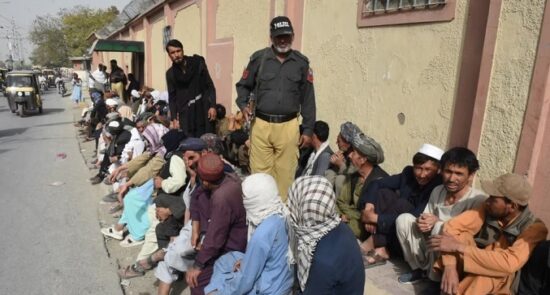
The forced expulsion of Afghan refugees from Pakistan has plunged hundreds of thousands of returnee children and young people into a serious educational and communication crisis, primarily due to their unfamiliarity with the Dari and Pashto languages and their education in Urdu and English.
The Impact of Forced Migration on the Education System
The phenomenon of Afghan refugees being forcibly displaced from neighboring countries is inflicting profound and often hidden damages on the educational framework in Afghanistan. A large number of returning children and youth are finding themselves unable to read or write in their country’s official languages. Many students newly returned by the Pakistani government report facing significant structural barriers to reintegrating into schools and understanding the educational system.
Struggles of Returnees with Pashto and Dari Textbooks
Nisar Ahmad, a resident of Ghazni province who spent his entire life in Pakistan, states that continuing his education within the current educational system has become exceedingly difficult. He explains that, having been born and raised in a refugee environment, he completed all his studies in Urdu and English. He emphasizes that the main issue is their lack of mastery in the grammatical rules of Pashto and Dari, urging the caretaker government to establish remedial language courses in schools.
Additional Challenges for Girls and the Shift to Online Learning
On another front, Neelum, a girl who was in the tenth grade before her expulsion, now finds herself forced to continue her education through an Afghan online school due to the ban on girls attending school beyond sixth grade in her home country. However, she faces similar linguistic challenges, stating that her sentences often inadvertently mix English and Urdu words, disrupting her communication with the local community. She too is calling for supportive programs from the Ministry of Education.
Expert Recommendations to Mitigate the Educational Crisis
Meanwhile, educators and specialists assert that educational authorities should not return returnee students to elementary classes due to language challenges. Fazl-ul-Hadi Wazeen, an educator and activist in this field, firmly believes that with the implementation of specific facilities and intensive classes, this issue can be resolved within a period of six months to a year. He adds that returnees must bridge the linguistic gap through consistent study, practice, and support from their families and new classmates.
Silence of Education Officials Amid Continuing Forced Expulsions from Islamabad
Despite ongoing inquiries, Qari Mansoor Ahmad Hamza, spokesperson for the Ministry of Education of the Islamic Emirate, has not been forthcoming with responses regarding this issue. However, state media controlled by the Taliban confirmed that officials from the Ministry of Refugees and the Ministry of Education have held discussions on the educational challenges and the issue of the lack of educational documentation for returnees. These challenges are compounded by reports from Pakistani Prime Minister Shehbaz Sharif, who noted that approximately 2.4 million Afghan migrants have been expelled from Pakistan since last year—a process that international human rights organizations describe as rushed, forced, and lacking humane standards.
-

Taliban Issues Strong Warning to Pakistan Over Anti-Afghan Activities
-
Taliban Issues Warning to Pakistan Over Internal Affairs Interference
-
Pakistan Expels 140,000 Undocumented Afghan Refugees from Punjab
-
Ongoing Closure of Afghanistan-Pakistan Borders Affects Trade Dynamics
-

Pakistan Emphasizes Peace Over Conflict in Relations with Afghanistan
-
Pakistan Warns of Rising Terrorism Threats from Afghanistan at UN Security Council


FEATURED
-
New Evidence Reveals Alarming Exposure to Explicit Content Among Teens on Instagram
-

Europe Faces Unprecedented Heatwaves and Wildfires as Climate Crisis Intensifies
-
Australia Implements Strict Social Media Ban for Teens Under 16
-
Alarming Survey Reveals One in Ten Women in British Armed Forces Experience Sexual Violence


