Taliban Ambassador Urges Dialogue to Ease Tensions with Pakistan Amid Rising Casualties
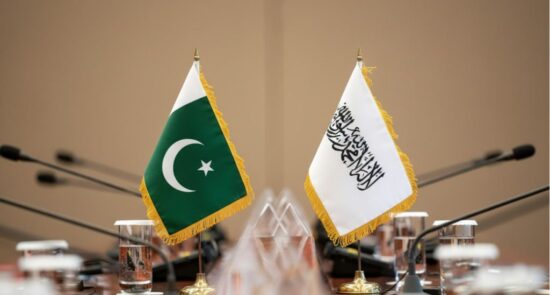
The Taliban ambassador in Islamabad has emphasized that ongoing tensions are negatively impacting bilateral relations and the lives of residents, urging that differences be resolved through dialogue. This statement comes as UNAMA warns of a potential increase in casualties from recent attacks in Pakistan…
Kabul’s Call for Dialogue: Continued Tensions Harm Both Afghanistan and Pakistan
Ambassador سردار احمد شکیب of the Islamic Emirate in Islamabad outlined Kabul’s official approach regarding recent tensions, stating that the Afghan government’s policy is centered on resolving all disputes and misunderstandings with Pakistan through diplomatic channels, mutual understanding, and face-to-face dialogue. He explicitly emphasized that the challenges arising between the two neighboring countries are detrimental to both sides, and the continuation of this situation severely impacts the longstanding bilateral relations and the daily lives of people on both sides of the border.
Afghanistan’s Ambassador Warns Against Deterioration of Neighborly Bonds
In light of the extensive damage caused by military confrontations, the Afghan ambassador noted that the current state of affairs jeopardizes historical and regional ties. He asserted that belief in negotiations is a fundamental principle of Kabul’s foreign policy, and the Islamic Emirate is prepared to resolve ongoing challenges through rational solutions. This diplomatic assertion comes amid heightened tensions following recent attacks that have strained relations between Kabul and Islamabad.
Clear Discrepancies in Casualty Figures and Pakistan’s Military Justifications
These remarks come as Pakistan’s recent airstrikes on areas in Paktia, Paktika, and Kunar have drawn severe reactions. Officials from the Islamic Emirate have reported that these strikes resulted in the deaths of thirty-eight civilians, including women and children, with over one hundred sixty-three others injured. In contrast, the Pakistani military claims that the bombings targeted the positions of a group known as Jamaat-ul-Ahrar, allegedly killing twenty-nine militants—a claim that independent sources have not verified.
UNAMA’s Disturbing Report and the Likelihood of Rising Casualties
Moreover, the United Nations Assistance Mission in Afghanistan (UNAMA) has released a report confirming the deaths of at least twenty-eight civilians, including women and children, with forty-nine others injured in these airstrikes. The international organization expressed serious concern, stating that this number is preliminary. Given the deteriorating health conditions of some injured individuals under specialized medical care, the likelihood of increased casualties from this tragic event is alarmingly high.
-

Russia Urges Taliban and Pakistan to Seek Dialogue Amid Rising Tensions
-
Pakistan Conducts Airstrikes in Kandahar and Khost, Claims Targeting Drone Launch Sites
-
Taliban Vows Retaliation Against Pakistani Airstrikes After Civilian Casualties
-
Pakistan’s Ongoing Military Operations Target Militant Threats from Afghanistan
-
Taliban Reports Civilian Casualties from Pakistani Airstrikes in Eastern Afghanistan
-
Taliban Accuses Pakistani Military of Deadly Airstrike Using American Bombs