Urgent Call for Action: Nearly 5 Million Mothers and Children in Afghanistan Face Malnutrition Crisis
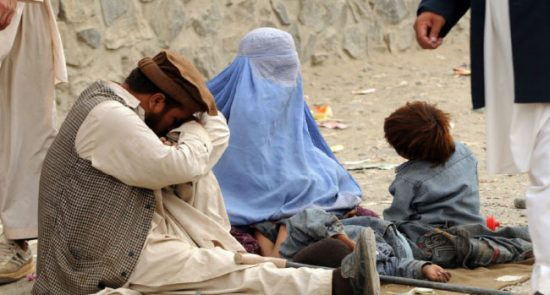
The United Nations Office for the Coordination of Humanitarian Affairs (OCHA) has raised alarm over the worsening malnutrition crisis in Afghanistan, indicating that approximately 4.9 million mothers and children are in urgent need of food assistance. Simultaneously, Doctors Without Borders has reported a significant increase in the number of children suffering from severe malnutrition at health centers in southern Afghanistan.
Nearly Five Million Mothers and Children in Need of Food Assistance
OCHA’s latest statement reveals that around 4.9 million mothers and children in Afghanistan require immediate food aid. The organization noted the escalating malnutrition crisis in the country, emphasizing that millions of Afghan mothers are striving to secure the health and future of their children amid dire economic conditions and the looming threat of malnutrition. They urgently need support from the global community.
Investment in Malnutrition Prevention is Essential
The United Nations Office for the Coordination of Humanitarian Affairs underscored that investment in malnutrition prevention and treatment programs not only saves lives but also reduces health costs, boosts the economy, and prevents the cycle of malnutrition from passing to future generations.
Millions of Children at Risk of Malnutrition
According to United Nations estimates, approximately 3.7 million children under the age of five in Afghanistan are at risk of malnutrition this year, raising growing concerns among international organizations regarding the future health of Afghan children.
Doctors Without Borders: Rising Cases of Severe Malnutrition
In tandem, Doctors Without Borders has reported that the number of children with severe malnutrition admitted to health centers supported by the organization in southern Afghanistan has increased by over 30% in the first four months of the current year, compared to the average for the same period in the past three years.
The organization has cited the reduction in international aid as a key factor exacerbating the malnutrition crisis in Afghanistan, warning that continued trends could intensify the humanitarian situation.
Warning of Escalating Humanitarian Crisis
The malnutrition crisis in Afghanistan persists as humanitarian aid declines, poverty rises, and the need for assistance grows, placing heavy burdens on vulnerable families.
Aid agencies warn that delays in securing financial resources and implementing nutrition programs will further restrict access to health and nutrition services for millions of mothers and children in need, heightening the risk of a deepening humanitarian crisis in Afghanistan.
-

International Community Urges Change in Taliban’s Policies Amid Humanitarian Crisis in Afghanistan
-
Surge in Afghan Deportations from Pakistan Sparks Humanitarian Crisis
-
UN Security Council Faces Division Over Afghanistan Mission Extension
-
Taliban Reports 761 Civilian Deaths Amid Pakistani Military Attacks
-
Belchab Faces Human Rights Crisis Under Taliban Rule
-
Surge in Afghan Returnees Strains Resources in Nangarhar


