UN Calls for Urgent Humanitarian Aid as Flood Devastation Strikes Nuristan, Afghanistan
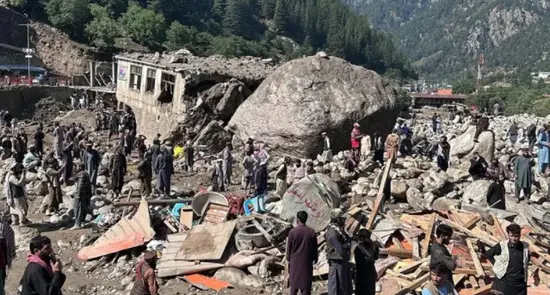
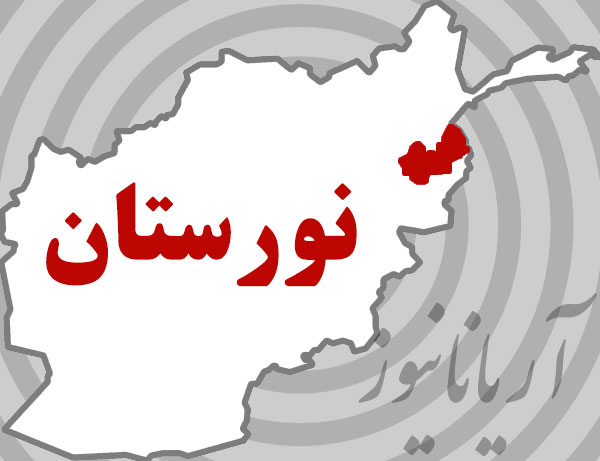
The acting head of Afghanistan’s permanent mission to the United Nations expressed deep condolences to the families of the victims of the deadly floods in Nuristan province and called for an urgent increase in international humanitarian assistance for those affected. This plea comes as search operations continue in the center of the province, where dozens have been reported dead, injured, or missing…
Official Call for Expanded Relief Operations
In light of the heavy casualties and financial losses caused by the recent floods in Nuristan province, Nasir Ahmad Faiz, the acting head of Afghanistan’s permanent mission to the UN, urged specialized agencies and international relief organizations to urgently expand their critical and lifesaving assistance to the affected areas. These devastating floods have indeed claimed many lives and displaced countless families, highlighting the need for immediate action Devastating Floods Claim Lives and Displace Families in Eastern Afghanistan.
Expressing Sympathy for the Victims and Recognizing the Efforts of Rescuers
In a message, the head of the mission extended heartfelt condolences to the grieving families and victims of this tragic event, while commending the rapid mobilization and relentless efforts of humanitarian agencies to conduct preliminary needs assessments and provide urgent responses. He emphasized that the situation in the flood-hit areas requires collective and broader efforts from the international community to prevent a larger humanitarian disaster.
Parun: The Epicenter of the Disaster and Heavy Losses
Field reports indicate that the highest levels of destruction, casualties, and financial losses have been recorded in Parun, the capital of Nuristan province. According to confirmed statistics, twenty-three fatalities and eighty injuries have been reported so far, while the fate of nearly one hundred local residents remains unclear, with ongoing efforts to locate the missing individuals. Reports also indicate that Devastating Flood in Nuristan Claims 20 Lives and Leaves Over 100 Missing.
Continuing Search Operations and Assessment of Urgent Needs
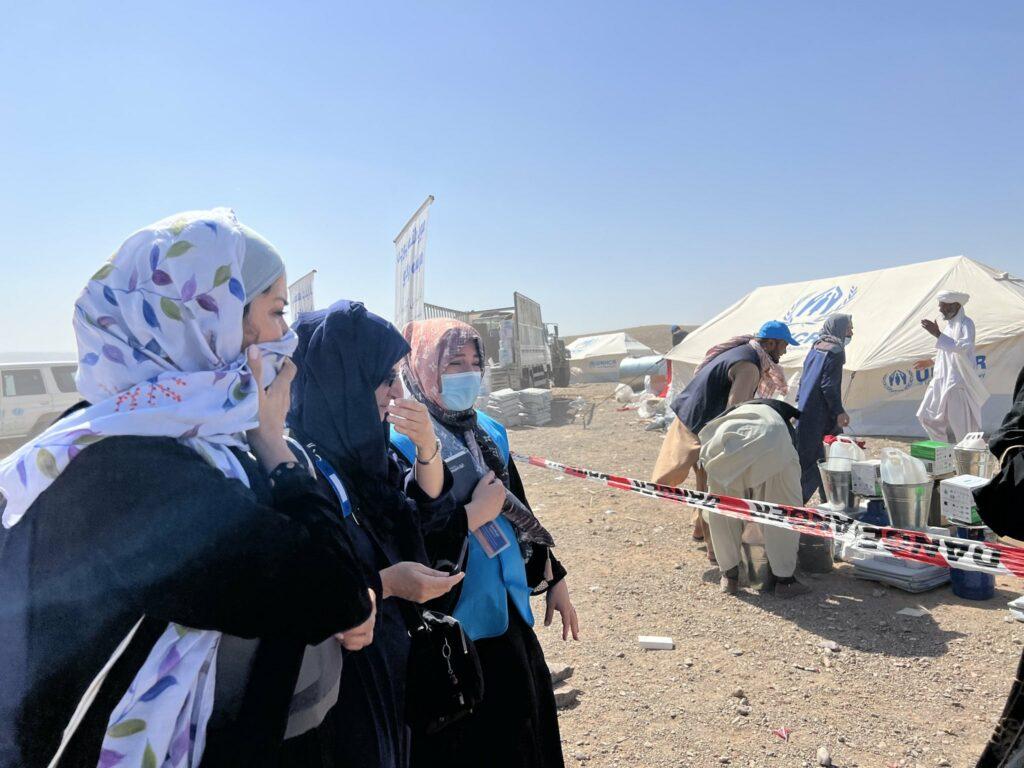
As rescue operations persist and efforts to free those trapped under debris are undertaken by local forces and rescue teams, UN humanitarian agencies have begun precisely identifying priority needs, including adequate food, temporary shelter, medical care, and health services, to ensure that aid is delivered directly to the affected families.
-

UN Calls for Urgent Action as Afghanistan Faces Deepening Crisis
-
Afghanistan’s Road Crisis: Over 92% Unpaved, Threatening Access to Healthcare
-
Returnees from Pakistan Face Dire Educational and Economic Challenges for Daughters
-
Successful Military Operation in Nuristan Halts ISIS Infiltration
-
Tensions Flare Again Along the Durand Line Amid Conflicting Claims
-
UN Official Urges Essential Role of Women in Afghan Humanitarian Efforts