Devastating Flooding in Nuristan Claims Lives and Leaves Hundreds Missing
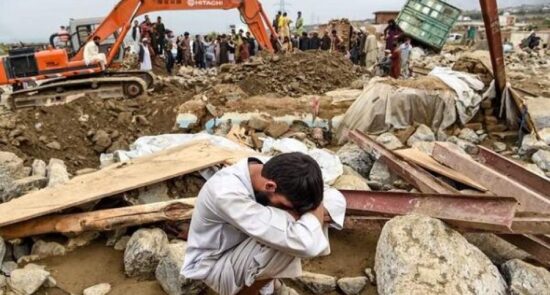
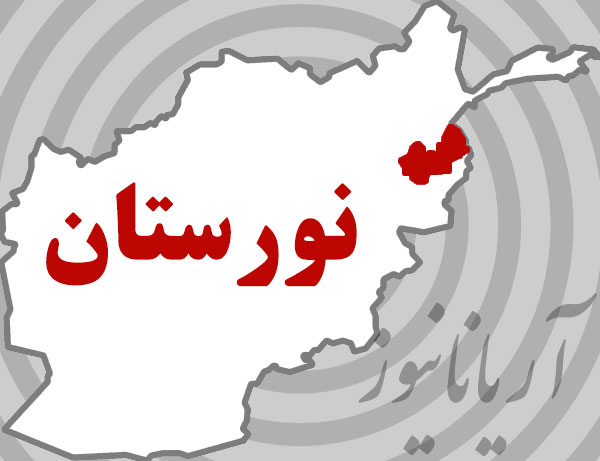
Severe flooding in Nuristan province has resulted in at least 20 fatalities and over 100 people reported missing. The disaster has caused extensive damage to residential areas, markets, agricultural lands, and public infrastructure, while search and rescue operations continue…
The severe flooding in Nuristan, located in northeastern Afghanistan, has left at least 20 individuals dead and more than 100 missing. This disaster has inflicted significant damage on homes, agricultural fields, markets, and public infrastructure, raising concerns about a potential rise in the death toll.
Over 100 People Still Missing
Fereydoun Samim, spokesman for the governor of Nuristan, reported that 105 individuals are missing in Parun, the provincial capital. Among the missing are the Parun mayor and several government employees.
He noted that initial reports indicate the discovery of some bodies in the affected areas; however, the final casualty figures have yet to be confirmed.
Widespread Damage to Parun City
According to published reports, floodwaters have inundated vast sections of Parun city, causing widespread damage to residential and commercial areas.
The intense water flow completely destroyed the Parun mayor’s office and severely impacted hotels, dozens of shops, and the town market. Additionally, agricultural lands and several public infrastructures along the flood’s path have been devastated.
Search and Rescue Operations Ongoing
Rescue teams and local volunteers have begun search operations for the missing and the transfer of the injured. However, the challenging mountainous terrain of Nuristan and a lack of rescue equipment have made the operations difficult.
Taliban officials have also announced that search and rescue teams are being dispatched to the flood-affected areas to assist with the crisis.
Warning of Continued Rainfall and Possible Future Floods
Nuristan, being one of Afghanistan’s mountainous and remote provinces bordering Pakistan, is always at risk of sudden flooding due to its geographical position.
Local officials have urged residents to avoid approaching rivers and hazardous areas. Meanwhile, meteorological departments have warned of the likelihood of heavy rainfall, thunderstorms, strong winds, and potential flooding in several other provinces across Afghanistan.
Climate Change: A Factor in Intensifying Natural Disasters
Climate experts believe that rising global temperatures are increasing atmospheric moisture and intensifying heavy rainfall, thereby heightening the risk of sudden floods.
They argue that Afghanistan, due to its mountainous terrain, inadequate infrastructure, widespread poverty, degradation of natural resources, and the aftermath of decades of conflict, is one of the most vulnerable countries to climate change and natural disasters.
-

UN Calls for Urgent Action as Afghanistan Faces Deepening Crisis
-
Afghanistan’s Road Crisis: Over 92% Unpaved, Threatening Access to Healthcare
-
Returnees from Pakistan Face Dire Educational and Economic Challenges for Daughters
-
Successful Military Operation in Nuristan Halts ISIS Infiltration
-
Tensions Flare Again Along the Durand Line Amid Conflicting Claims
-
UN Official Urges Essential Role of Women in Afghan Humanitarian Efforts