Afghan Women’s Job Restrictions Lead to Dire Poverty for Families
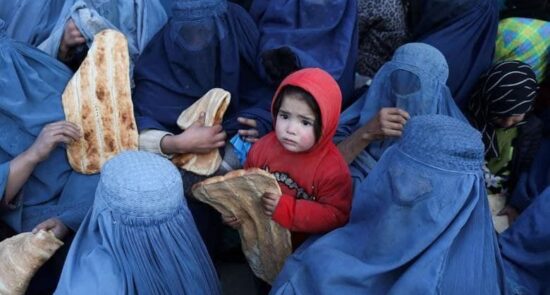
The persistent and stringent restrictions imposed by the interim government on the work and social activities of women have plunged millions of families, where women are the primary breadwinners, into severe poverty. According to international organizations, over eleven million women and girls are currently facing an urgent humanitarian crisis…
Job Restrictions Triggering Crisis for Female Breadwinners
Since the establishment of the interim government in August 2021, extensive and repeated limitations on women’s rights to work and education have completely devastated the economic foundations of vulnerable families in Afghanistan. Following the government’s resurgence, decrees were issued prohibiting women from working in government positions. By late 2022, these restrictions extended to the private sector, and in 2023, even United Nations offices faced similar bans. This approach has led to a state of famine and extreme poverty for millions of citizens, particularly for women who were the sole providers for their families. For more context on the situation, see the UNICEF report detailing how these restrictions threaten education and healthcare in Afghanistan.
Heart-Wrenching Accounts of Absolute Poverty in Herat and Kabul
In Herat, a woman head of household responsible for raising four children under the age of eighteen revealed her dire situation in a media interview. After losing her government job due to recent decrees, she stated that she has had no income for the past five years and cannot even afford to refill her cooking gas cylinder. She noted a stark contrast between her current state and the past, where women worked with dignity; many are now willing to accept alms just to feed their children.
Meanwhile, in Kabul, another woman who previously worked with her husband in an NGO claims they are now drowning in crisis. With three young children, she has resorted to saving potato peels in the fridge to cook for subsequent meals. Once a benefactor to several families, she now finds herself unable to borrow even five thousand Afghanis, facing closed doors.
UN Statistics on the Emergency Status of Female-Headed Households
The UN Women’s Agency and the Gender Working Group in humanitarian response have reported that due to the profound crisis surrounding women’s rights and obstructed job opportunities, nearly eleven million women and girls urgently need humanitarian assistance. Findings from these organizations indicate that eighty-three percent of families headed by women cite unemployment and absolute poverty as their primary challenges. Over the past years, approximately forty-three percent of these households have been in emergency situations, forced to make dangerous and irreversible decisions to survive. More details on the economic situation can be found in the World Bank report that documents how Afghan economic growth offers little relief as poverty soars.
Government’s Stance on International Criticism
Despite repeated warnings from international monitoring bodies and the United Nations about the severe negative impacts of women’s work prohibitions on aid efforts and distribution, interim government officials have repeatedly maintained their stance. Spokespersons claim that the rights of all citizens, especially women, are protected within the framework of Islamic law, and the suspension of jobs in government agencies does not equate to their complete removal — a statement that human rights organizations find to be in stark contradiction to the realities on the ground.
-

UN Chief Antonio Guterres Calls for Immediate Action to Lift Restrictions on Afghan Women
-
Afghan Women Turn to Online Commerce Amid Taliban Restrictions
-
Two Years After U.S. Withdrawal, Afghanistan Faces Profound Crisis
-
Surge in Afghan Expulsions from Pakistan Sparks Humanitarian Crisis
-
Humanitarian Crisis Unfolds in Belqab: Taliban’s Reign of Terror Exposed
-
UN Security Council Voices Alarm Over Human Rights and Humanitarian Crisis in Afghanistan