OIC Emphasizes Importance of Girls’ Education for Afghanistan’s Development
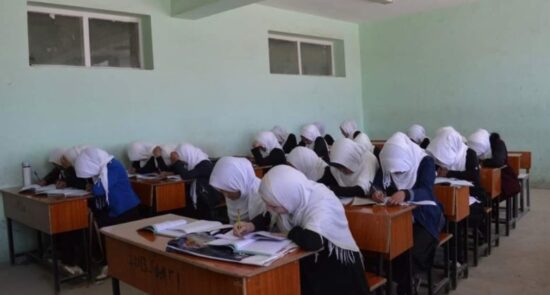
The Deputy Head of Humanitarian Affairs at the Organization of Islamic Cooperation has stated that educating girls is crucial for the development of Afghanistan. He announced the organization’s readiness to find solutions in line with community values and government requests…
The Critical Role of Girls’ Education in National Development
Khalil Ibrahim Okur, the Deputy Director General of Humanitarian Affairs at the Organization of Islamic Cooperation (OIC), recently described access to education for girls in Afghanistan as vital and strategic. He emphasized that education not only enhances individual capabilities but also constitutes the backbone of the country’s economic and social development. He asserted that the OIC is prepared to engage with Kabul authorities to address the existing challenges.
Seeking Solutions Aligned with Community and Government Values
This senior OIC official expressed hope that through close cooperation and understanding with the Islamic Emirate, appropriate solutions could be identified for reopening educational institutions for girls. Mr. Okur noted that the main objective is to achieve a framework that guarantees the right to education while also considering the concerns raised by the current government and various segments of society. According to him, the organization is willing to play a proactive role in overcoming existing obstacles.
Voices of Students and the Need for Healthcare Professionals
In parallel with these remarks, several girl students who have been away from educational centers for years have raised their voices in protest once again. Kawthar, one of the students, stressed the young generation’s eagerness to serve their country and called on officials to open school doors to them. In this regard, women’s rights activists also point out that the training of girls, especially in vital sectors such as medicine and healthcare, is a national necessity that should be addressed internally without foreign interference.
Ongoing Educational Suspension and Promises for Rights保障
Despite the Islamic Emirate’s repeated emphasis on securing the rights of all residents within the framework of Islamic law, it has effectively prohibited girls above the sixth grade and female students from attending schools and universities for nearly four years. So far, no timetable or schedule has been announced for lifting these restrictions. Observers believe that discussions and mediations by organizations like the Organization of Islamic Cooperation could be key to breaking this educational deadlock in the country.
-

OIC to Address Afghanistan at Upcoming UN General Assembly Meeting
-
OIC Partners with Islamic Solidarity Fund to Aid Earthquake Victims in Afghanistan
-
Human Rights Coalition Accuses Taliban of Cultural Genocide Against Education
-
Afghan Expatriates Unite in Protests Against Taliban’s Crackdown on Women’s Rights
-
UN Chief Antonio Guterres Calls for Immediate Action to Lift Restrictions on Afghan Women
-
Afghan Women Turn to Online Commerce Amid Taliban Restrictions